
Allergies Due to Cats: Full Guide
Suffering from allergies due to cats? Discover triggers, symptoms, and proven relief tips. Live happily with your feline
Allergies Due to Cats
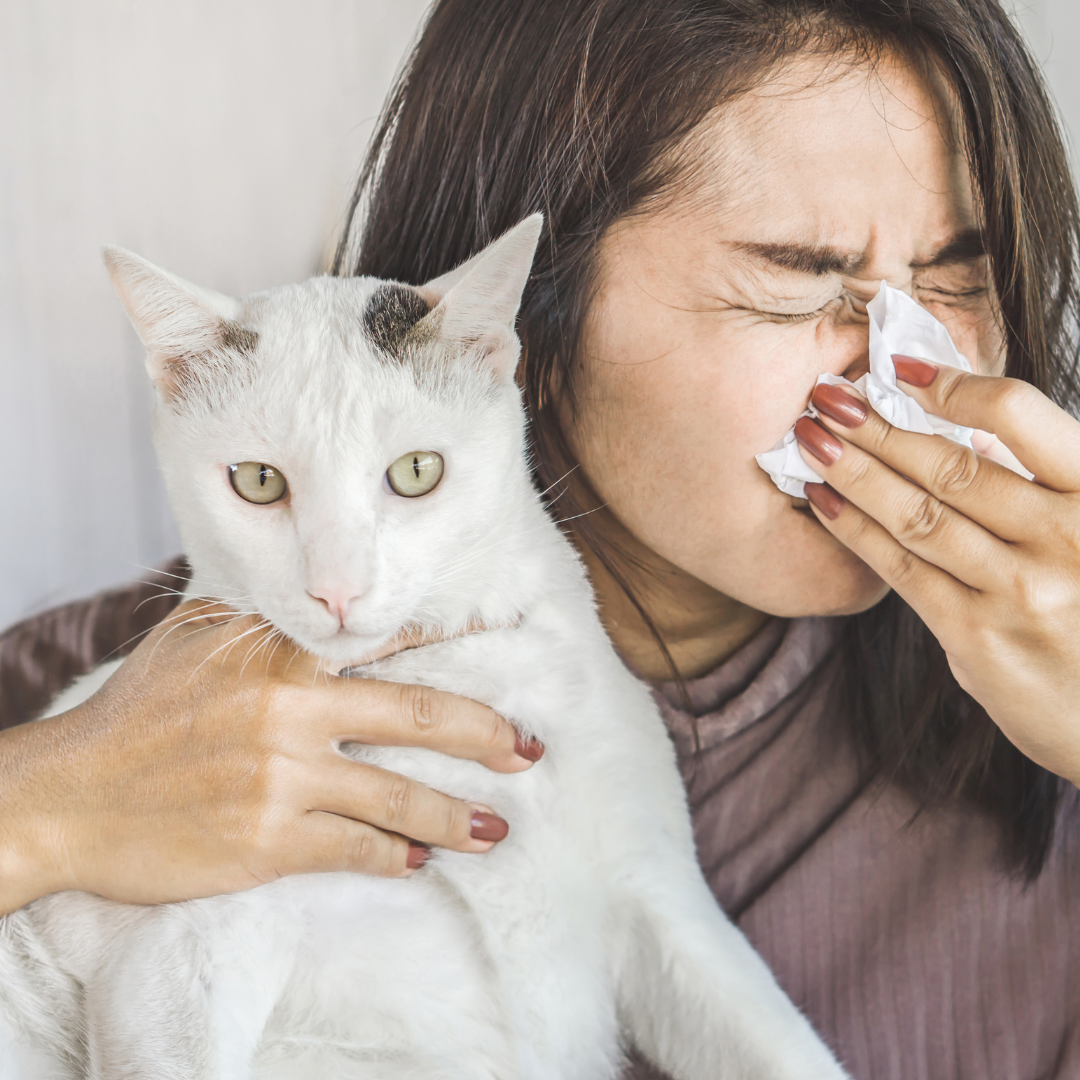
Imagine curling up with your purring cat after a long day, only to start sneezing uncontrollably, your eyes itching like mad, and your throat feeling scratchy and tight. This scenario plays out for millions of cat lovers worldwide, turning a source of comfort into one of constant irritation. The problem intensifies because cat allergens are incredibly persistent—they stick to clothes, furniture, and even float in the air long after the cat has left the room. Many people suffer in silence, dosing up on meds that barely help or, worse, considering giving up their beloved pet. This leads to emotional heartache, disrupted sleep, and daily battles that drain your energy and joy. The agitation peaks when symptoms flare at night, robbing rest, or during visits when you can’t escape the trigger. But relief is possible. Understanding allergies due to cats empowers you to manage them effectively without sacrifice.
Cat Allergies Overview
Cat allergies rank among the most common pet-related issues, affecting up to 30% of allergy sufferers according to recent AAAAI data. The root cause lies in proteins produced by cats, not just their fur as many believe. These proteins trigger an overactive immune response in sensitive individuals. When you inhale or touch them, your body releases histamine, sparking inflammation. This manifests in various ways, from mild sniffles to severe asthma attacks. Interestingly, male cats produce more of the primary allergen, Fel d 1, than females, and unneutered males top the list. Kittens shed less, but as they mature, levels rise. Even “hairless” breeds like Sphynx aren’t exempt—they still secrete allergens through skin and saliva. For a foundational look at allergic responses, visit this resource on allergy symptoms explained. It breaks down how the body reacts and why cats pose such a potent threat.
Primary Cat Allergen Fel d 1
Fel d 1 stands as the superstar villain in allergies due to cats. This small protein originates mainly from cat sebaceous glands, saliva, and urine. Cats groom constantly, spreading it across their fur and into the environment. Once dry, it becomes airborne in tiny particles under 2.5 microns—small enough to linger for hours and penetrate deep into lungs. A single cat can produce enough Fel d 1 to sensitize an entire home. Studies show it persists on surfaces for months, even after cat removal. Other allergens like Fel d 2 from dander and Fel d 4 from saliva add to the mix, but Fel d 1 causes 80-90% of reactions. In 2025, new tests measure Fel d 1 levels in homes, helping quantify exposure. Reducing this protein forms the cornerstone of cat allergen reduction strategies.What Causes Allergies? Explained Simply – Healthhype
Cat Dander Allergy Triggers
Dander—dead skin flakes—carries Fel d 1 like a delivery system for cat dander allergies. Every cat sheds dander naturally, more during seasonal changes or stress. It clings to carpets, upholstery, and clothing, creating reservoirs that release particles with every step or sit. Vacuuming stirs it up temporarily, worsening symptoms for hours. Outdoor cats track in pollen too, compounding issues for those with multiple sensitivities. A 2024 study in the Journal of Allergy and Clinical Immunology found dander levels peak in winter when cats stay indoors more. This explains seasonal flares despite constant exposure. Understanding dander dynamics guides effective cleaning protocols in managing cat allergies.Pet Allergies (Cat and Dog Allergy) Causes, Symptoms, Tests, Treatment – Healthhype
Saliva and Urine Allergens
Cat saliva contains high Fel d 1 concentrations, deposited during grooming. Licks transfer it directly to skin or objects. Urine, especially from intact males, sprays allergens via marking. Litter boxes become hotspots, releasing particles when scooped. Even neutered cats produce some. A PMC review notes saliva allergens cause contact reactions in addition to inhalation issues. Bites or scratches introduce them subcutaneously, risking cellulitis in severe cases. Proper litter hygiene and grooming reduce these sources significantly for better cat allergy relief.
Common Cat Allergy Symptoms
Cat allergies symptoms vary but often strike fast. Sneezing fits come in rapid succession, accompanied by a runny or stuffed nose with clear discharge. Eyes turn red, itchy, and watery, sometimes swelling shut. Throat irritation leads to coughing or hoarseness. Skin contact yields hives or eczema patches. In asthmatics, wheezing and shortness of breath signal danger. Nighttime worsens everything as allergens settle on bedding. Children may rub noses upward in an “allergic salute,” creating creases. Track onset—immediate or delayed—to differentiate from colds. For detailed symptom tracking, see itchy eyes causes.
Respiratory Cat Allergy Signs
Breathing issues dominate severe allergies due to cats. Inhaled particles inflame airways, causing persistent cough, chest tightness, and wheeze. Chronic exposure leads to allergic rhinitis, with postnasal drip triggering sinus infections. A 2023 AAAAI report links cat ownership to 20% higher asthma risk in sensitized kids, but immunotherapy reverses this. Monitor peak flow meters at home. Drops below 80% personal best warrant medical attention. Nasal corticosteroids provide frontline cat allergy treatment for respiratory relief.Cat Scratch Fever (Catscratch Disease, CSD) – Healthhype
Skin Reactions from Cats
Direct contact sparks allergic to cats signs on skin. Hives appear as raised, itchy welts within minutes of petting. Eczema flares with red, scaly patches, especially on arms or face. Scratching worsens, risking infection. A dermatology study found 15% of cat-allergic patients develop contact urticaria from saliva alone. Wash exposed areas immediately with soap. Topical steroids calm flares. Long-term, allergen avoidance prevents chronic dermatitis.
Eye Symptoms Cat Allergens
Ocular issues plague most with cat hair allergies—though it’s proteins, not hair. Conjunctivitis brings relentless itching, redness, and tearing. Eyelids swell, sometimes bruising underneath. Rubbing spreads allergens, prolonging misery. Cool compresses offer temporary soothe. Antihistamine drops target local histamine. In 2025, sublingual tablets show promise for ocular-specific relief.
Diagnosing Cat Allergies Accurately
Confirmation starts with history. Doctors note symptom timing around cats. Skin prick tests introduce Fel d 1 extract, watching for wheals. Blood IgE tests quantify specific antibodies. Both achieve 95% accuracy. Challenge tests—controlled exposure—rarely needed. Rule out mimics like dust mites. For testing details, explore skin prick test allergies. Early diagnosis enables proactive cat allergy prevention.
Skin Prick Testing Cats
Standard for feline allergy causes, pricks place diluted allergen on forearms. Positive reactions wheal within 15 minutes. Controls ensure validity. Safe, quick, covers multiple allergens. Preps require stopping antihistamines days prior.
Blood Tests for Cat Sensitivity
When skin issues or meds interfere, serum IgE tests shine. Labs measure anti-Fel d 1 antibodies. Results in days, no reaction risk. Ideal for kids or severe cases. Guides cat allergy treatment intensity.
Home Cat Allergy Management
Living with cat allergies demands strategy. Confine cat to non-bedroom areas. Use HEPA air purifiers capturing 99.97% particles. Wash bedding weekly in hot water. Vacuum with HEPA filters twice weekly. These cut allergens 50-70% per EPA studies.
Cat Grooming Reduces Allergens
Weekly baths with allergen-reducing shampoos slash Fel d 1 by 80%. Wipe downs with microfiber cloths work daily. Brush outdoors to contain dander. Neutering males drops production 90%. Professional grooming helps busy owners.
Air Purification Cat Homes
HEPA units run continuously in living spaces. Change filters quarterly. Whole-house systems integrate with HVAC. A 2024 study showed 60% symptom reduction in purified homes. Essential for severe cat allergies.
Bedding and Fabric Care
Encasement mattress covers trap allergens. Wash curtains monthly. Leather furniture over fabric minimizes reservoirs. Steam clean carpets quarterly. These sustain cat allergen reduction.
Medication Options Cat Allergies
Antihistamines like cetirizine block histamine daily. Nasal sprays like fluticasone reduce inflammation. Montelukast tablets prevent leukotriene effects. Eye drops target ocular symptoms. Combine for comprehensive cat allergy relief.
Immunotherapy for Cats
Allergen immunotherapy builds tolerance. Sublingual tablets or shots desensitize over 3-5 years. 70-80% achieve lasting relief. FDA-approved for cats since 2014. Game-changer for managing cat allergies.
Natural Remedies Cat Allergens
Saline nasal rinses flush particles. Quercetin supplements stabilize mast cells. Local honey debated but harmless. Butterbur shows antihistamine effects. Complement, don’t replace, medical cat allergy treatment.
Lifestyle Adjustments Cat Owners
Designate cat-free zones, especially bedrooms. Change clothes after heavy contact. Wash hands post-pet. Travel with allergen wipes. These habits minimize allergic to cats signs.Pollen Allergy – Causes, Symptoms, Treatment, Prevention – Healthhype
Children and Cat Allergies
Kids react stronger due to developing immunity. Early exposure may protect per hygiene hypothesis. But sensitized children need strict management. Teach hand washing. Monitor asthma triggers.
Pregnancy Cat Allergy Concerns
Hormones amplify reactions. Continue meds if benefits outweigh risks. Consult obstetricians. Air purification protects fetus from secondhand inflammation.
Elderly Managing Cat Sensitivities
Comorbidities complicate. Polypharmacy interacts with antihistamines. Simplified regimens focus on prevention. Home aids like robotic vacuums ease cleaning.
Cat Breeds Lower Allergens
Siberian cats produce less Fel d 1 naturally. Balinese, Russian Blue follow. No breed truly hypoallergenic. Individual cats vary—test via visits.
Workplace Cat Allergen Exposure
Allergens hitchhike on clothes. Colleagues’ cats affect offices. Symptom flares without pets present. Advocate for scent-free policies including pet dander.
Travel Tips Cat Allergic
Choose pet-free accommodations. Bring portable HEPA. Pre-medicate. Pack extra tissues. Research destinations’ stray cat populations.
Emotional Impact Cat Allergies
Guilt over considering rehoming devastates. Support groups normalize struggles. Many keep cats successfully with management. Therapy addresses anxiety from chronic symptoms.
Myths About Cat Allergies
Short hair safer? No—proteins matter. Females allergen-free? Less but present. Bathing eliminates? Temporary reduction only. Debunk for informed choices.
Future Cat Allergy Treatments
2025 trials target Fel d 1 directly. Cat food with anti-Fel d 1 eggs reduces shedding 47%. Gene editing explores. Biologics like tezepelumab promise asthma control.
Research Cat Allergy Advances
Microbiome studies link gut health to tolerance. CRISPR targets IgE production. Wearable monitors predict flares via biomarkers.
Global Cat Allergy Prevalence
10-20% worldwide sensitized. Urban areas higher due to pollution synergy. Asia rising with pet adoption.
Community Support Cat Allergies
Online forums share tips. Local groups organize allergen-free meetups. Veterinary allergists bridge pet health and human.
Share your cat allergy story below. Help others thrive with felines.
Final Cat Allergy Insights
Allergies due to cats challenge but don’t conquer love for pets. Science offers tools from purification to immunotherapy. Implement layered strategies. Consult specialists. Enjoy purrs without pain. Act now: Schedule allergy testing. Explore nasal congestion remedies for added relief.
External References:
- American Academy of Allergy, Asthma & Immunology: https://www.aaaai.org/conditions-treatments/allergies/cat-allergy
- National Institute of Allergy and Infectious Diseases: https://www.niaid.nih.gov/diseases-conditions/pet-allergy
- Centers for Disease Control and Prevention: https://www.cdc.gov/healthypets/pets/cats.html
- World Allergy Organization: https://www.worldallergy.org/education-and-programs/education/allergic-disease-resource-center/professionals/cat-allergy