
How Much Does a Root Canal Cost?
How much does a root canal cost? Learn U.S. price ranges, insurance impact, and ways to save on root canal treatment.
When you hear that you need a root canal, one of the first thoughts that floods your mind is cost. You may wonder, “How much does a root canal cost?” That question carries weight — after all, root canal therapy isn’t an everyday expense like a cleaning or a filling. For many Americans, a root canal represents a significant financial decision. The purpose of this article is to shed light on cost expectations, variables, and real-world scenarios — so you can make a well-informed decision.
Root canal treatment preserves your natural tooth, prevents further infection, and avoids possible extraction — but the financial burden can feel heavy without clarity. This article promises to demystify the pricing, outline what you need to know about insurance and out-of-pocket costs, and show how you can get value without surprise expenses. By the end, you’ll understand not only typical price ranges but also the hidden adjustment factors your dentist may consider.
What Is A Root Canal
A root canal is a dental procedure aimed at saving a severely infected or decayed tooth. Inside every tooth lies a pulp chamber, housing nerves and blood vessels. When decay, deep cracks or trauma breach the outer layers, bacteria can infiltrate the pulp — causing severe pain, inflammation, and risk of abscess. In a root canal, the dentist (or endodontist) removes the diseased pulp tissue, disinfects the canal system, and seals the internal structure with a biocompatible material. Often the tooth is later restored with a crown or filling to protect it and restore full function.
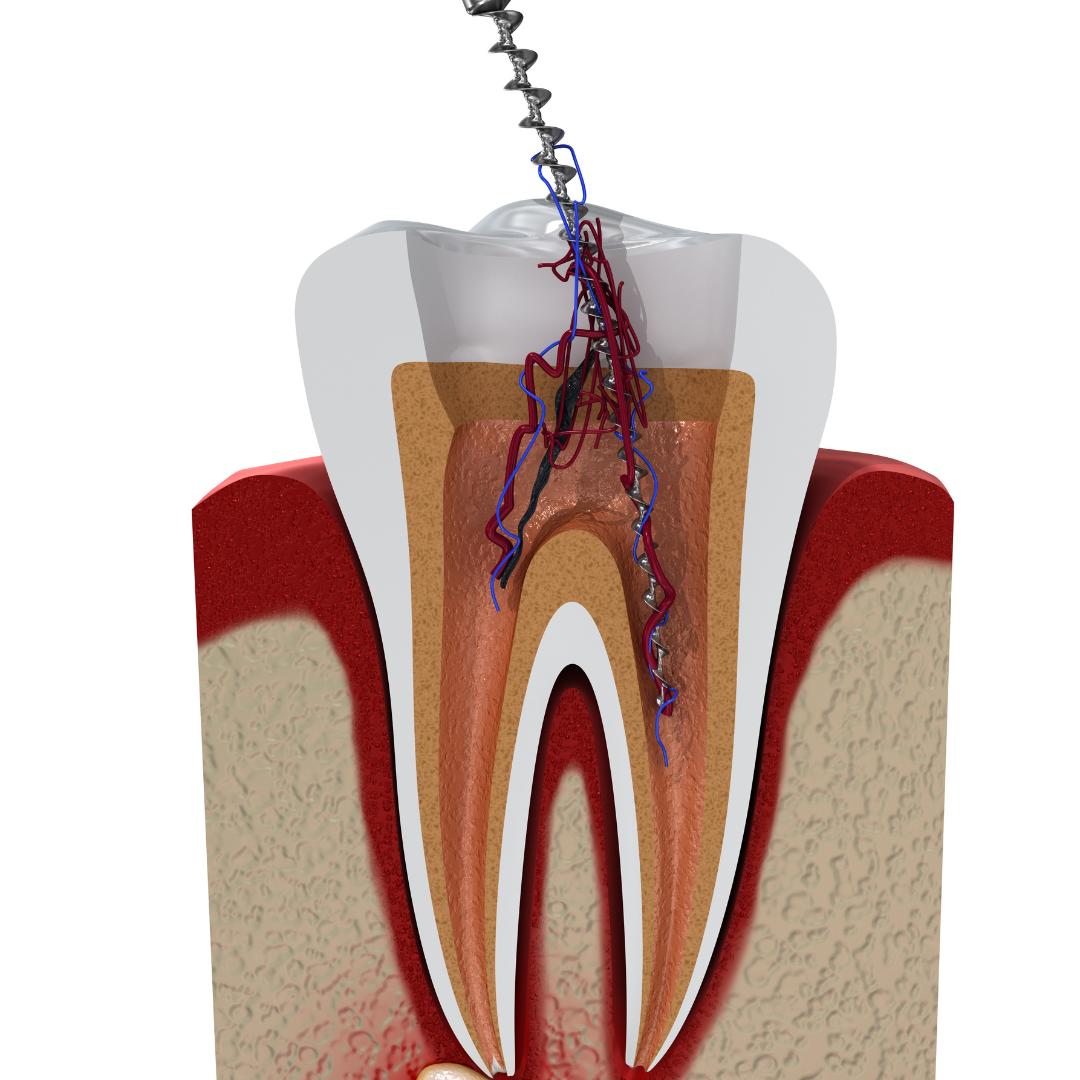
Because it preserves your natural tooth structure rather than removing the tooth entirely, root canal therapy is widely considered the best option when the pulp is compromised. However, the complexity of the procedure, the number of canals, the tooth’s location (front vs molar), and the need for restoration all influence how much a root canal costs.
Average U.S. Root Canal Cost
Across the United States, the cost of a single root canal varies widely depending on multiple factors. According to a recent cost guide, the national average for root canal therapy is around $1,165, though the typical range spans from roughly $500 to $1,800 depending on the specifics of the case. CareCredit
Other professional sources and dental clinics offer slightly different ranges but generally reflect similar averages: root canal treatments without insurance often fall between $600 and $1,600 per tooth. gentledental.com+2springhilldentistrybydesign.com+2
Because of this variability, when you ask “how much does a root canal cost,” expect your dentist to quote a range rather than a fixed figure — and know that final cost depends on many variables, from which tooth is involved to whether a crown is needed afterward.
Cost by Tooth Type
Not all teeth are the same — and that matters significantly when calculating root canal cost. Front teeth (incisors and canines) are generally the least expensive to treat because they have a single root and a simpler canal system. For a front tooth, root canal cost often ranges between $600 and $1,100. My Aqua Dental+1
Premolars (bicuspids) tend to be slightly more complex and can involve one or two canals. Their treatment typically costs between $700 and $1,300. My Aqua Dental+1
Molars — the large back teeth used for chewing — are usually the most expensive due to their multiple roots and canal complexity. For a molar, a root canal may cost between $1,000 and $1,600, depending on factors like accessibility, canal anatomy, and whether additional treatments are required. My Aqua Dental+2learn.globalsurgical.com+2
Because molars are often under greater bite pressure and require more extensive restoration (e.g., crowns), the total expense for a molar root canal can significantly exceed that of a simpler front tooth procedure.Dental Procedures & Surgery – Root Canal, Bridges, Implants – Healthhype
Insurance Impact on Pricing
If you have dental insurance, the difference in out-of-pocket expense can be substantial. Many dental insurance plans cover a portion of endodontic procedures, reducing what you pay directly. For instance, some plans may bring your cost down to $200–$500 out-of-pocket for front teeth root canals, $300–$700 for premolars, and $400–$900 for molars, after coverage and deductibles. Advanced Smile Dentistry+1
However, insurance coverage varies widely. Whether your provider is in-network or out-of-network, what your deductible and annual maximum are, and whether other procedures (like a crown) are covered can alter your final cost. According to one plan guide, root canal coverage typically falls between 50% and 80% under many U.S. dental plans. deltadental.com+1
Because of this variability, the question “how much does a root canal cost” often requires you to obtain an insurance quote. It is wise to check with your provider and understand exactly what is covered — including follow-up restorations — before committing to treatment.
Why Prices Vary: Key Factors
Several important factors influence how much a root canal costs for any individual. First is the tooth involved: front teeth are simpler, molars are more complex. A front tooth typically has a single canal, while molars can have two to four — and more canals means more time, materials, and risk. This structural difference directly affects cost.
Secondly, the severity of infection or damage affects cost. A simple, straightforward root canal with minimal infection may be completed quickly and cheaply. But teeth with long-standing infection, curved or calcified canals, or prior failed treatments require extra time, specialized instruments, possibly multiple visits — all of which increase cost. Some clinics note that complex or retreatment cases command higher fees than routine root canals. gentledental.com+1
Third, geographic location matters. Regions with higher cost of living or labor rates often charge more for dental services. Dentists in metropolitan or high-income areas may list higher fees than those in smaller towns or rural regions. The cost of living, overhead expenses, and local market rates all play into how providers price their services. deltadental.com+1
Fourth, who performs the procedure — a general dentist or a specialist (endodontist) — impacts the cost. Endodontists typically charge more because of specialized training, advanced equipment, and higher success rates, especially for complex root canals or retreatments. This can increase the price significantly compared with a standard root canal done by a general dentist. Ballantyne Endodontics+1
Finally, post-treatment restoration — like a dental crown or filling — adds cost on top of the root canal itself. Many people mistakenly assume the quoted root canal price covers everything; in reality, restoration often adds hundreds or even over a thousand dollars depending on the material and complexity. prosmilesdental.com+1
Full Treatment Cost: Root Canal + Restoration
When you ask “how much does a root canal cost,” the answer should also include restoration. Saving the tooth’s internal pulp is only half the job; protecting and restoring the structural integrity often requires a crown, post, or filling. Dental practices commonly note that a molar root canal with a crown can push total costs well beyond the base price, sometimes reaching $1,400 to $2,300 out-of-pocket when uninsured. prosmilesdental.com+1
In insurance scenarios, your out-of-pocket cost might still include significant copayments or coinsurance for the crown, depending on coverage. Because crowns are not always fully covered, many patients are surprised by the total bill after initial root canal therapy. This is why it is critical to get a full treatment estimate — not just the cost of the root canal — before proceeding.Dental Procedures & Surgery – Root Canal, Bridges, Implants – Healthhype
When a Root Canal Is Worth It
Choosing between a root canal and extraction can be tough. But for many, preserving the natural tooth offers the greatest long-term value. A natural tooth with a successful root canal and proper restoration can last for decades; in contrast, extraction often leads to more complex — and costly — treatments like implants, bridges, or dentures.
Dental insurance companies and practitioners often highlight that a root canal followed by a crown is more cost-effective and functionally superior in the long run compared with extraction plus replacement. One root canal procedure may cost up to $1,600, but replacing a missing tooth — especially with an implant — can run thousands of dollars more, not to mention potential complications.
Furthermore, maintaining your natural tooth helps preserve jawbone structure and bite alignment, preventing other dental problems in the future. For many patients, investing the money now means saving substantially on future treatments.
Budgeting & Payment Options
If you’re uninsured or paying out-of-pocket, the sticker shock of a root canal can feel overwhelming. Many dental offices understand this and offer flexible payment options. Some partner with financing services such as short-term credit plans, monthly installments, or CareCredit-type payment programs to allow patients to spread the cost over several months with little or no interest. dentaldepotdfw.com+1
Another route for those without coverage is to check with dental schools or community health clinics. Dental schools often provide root canal therapy under supervision at reduced fees. For patients in tight financial situations, these options can make a critical difference — offering access to necessary treatment at more manageable prices.
Before proceeding with treatment, it’s wise to request a detailed “treatment plan and cost breakdown” from your dentist. This should include: consultation, x-rays/imaging, procedure cost, anesthesia fees, post-treatment restoration (crown/filling), follow-up visits, and any optional treatments such as sedation or special restoration materials. A comprehensive estimate prevents unexpected extra charges after the fact.Dental Procedures & Surgery – Root Canal, Bridges, Implants – Healthhype
Impact of Delaying or Avoiding Treatment
Avoiding or delaying a needed root canal because of cost concerns can lead to far greater expenses down the line. Untreated infection can spread to surrounding gums, bone, and even other teeth — potentially resulting in abscesses, bone loss, or tooth loss. Surgery, extraction, implants, or bridges may become necessary, all of which are significantly more invasive and costly than a root canal.
Beyond financial cost, the health consequences matter too. Severe dental infection can affect overall health, lead to pain that disrupts daily life, and even cause systemic issues if not treated. From an EEAT (Expertise, Authority, Trust) standpoint, preserving a natural tooth when possible is a well-supported recommendation by dental authorities.
Moreover, delaying treatment often increases complexity. A tooth that might have needed a simple root canal initially could later require retreatments, surgical interventions, or be judged non-restorable — all adding to the cost and decreasing success rate.
Cost Trends & What’s New (2025 Insights)
As of 2025, many U.S. dental practices report that the average cost for root canal therapy continues to fall within the $600–$1,600 range for uncomplicated cases, but prices are rising for complex cases due to inflation in materials, advanced imaging needs, and increased overhead costs. springhilldentistrybydesign.com+2Art Family Dental – Aarti Shah DDS+2
At the same time, many insurance providers remain cautious about full coverage, often limiting endodontic procedures to certain plan tiers or applying waiting periods before coverage begins. This makes it more important than ever for patients to verify their plan status before committing to treatment.
Because of these variables, when you ask “how much does a root canal cost,” the most honest answer is “it depends” — but being informed about all contributing factors helps you estimate and budget more accurately.Dental Procedures & Surgery – Root Canal, Bridges, Implants – Healthhype
Common Myths About Cost & Reality Check
A frequent myth is that root canals are unaffordable luxuries — but when compared with extraction plus implant or bridge, root canals often represent better value over time. Whereas extractions remove the natural tooth and often lead to more expensive replacements, a root canal preserves your tooth and maintains normal chewing function.
Another misconception is that root canal plus crown always costs above a certain price. In reality, cost fluctuates significantly based on geography, insurance, and practitioner skill. Some clinics, especially in lower-cost areas or dental schools, offer root canals and restoration at discounted rates. Financing plans and payment options further mitigate upfront costs.
Many people also believe that extraction is cheaper — but ignoring long-term costs and health consequences makes this a false economy. Extraction can lead to jawbone loss, shifting teeth, bite problems, and greater long-term expense.
How to Get Accurate Cost Estimate
To find out exactly how much a root canal will cost you, it’s best to:
Request a full breakdown from your dentist that includes consultation, x-rays, procedure cost, anesthesia, restoration (crown or filling), and any follow-up visits.
Check with your insurance provider about coverage percentages, network status, deductibles, and annual maximums.
If you are uninsured, ask your dentist about payment plans, sliding-scale fees, dental school clinics, or community health centers.
Compare quotes from multiple dentists or endodontists, especially if multiple options are available near you.
Confirm if the quoted price includes restoration (crown), since excluding it may lead to surprises later.
Using this approach ensures that the answer to “how much does a root canal cost” becomes clear and tailored to your situation — not just a generalized estimate.What Are the Costs of Fertility Treatments? – Healthhype
Why Saving Your Tooth Is Worth It
Opting for root canal therapy, even at the higher end of the cost spectrum, often makes sense financially and medically. By preserving your natural tooth structure, you maintain proper chewing, avoid bone loss, preserve adjacent teeth, and save future costs on implants or bridges.
Modern endodontic techniques — including microsurgical tools, digital imaging, and improved sealing materials — increase success rates and longevity. Many treated teeth remain healthy and functional for decades, making the initial cost a worthwhile long-term investment in oral health.
Saving your tooth also avoids the complications associated with tooth loss, such as shifting teeth, bite misalignment, and increased risk of further decay or gum disease. In short, paying for a root canal today can prevent a cascade of future dental problems and expenses — making it a smart choice for both your dental health and your wallet.
Conclusion: Smart Cost-Conscious Decisions
When you ask “how much does a root canal cost,” there is no one-size-fits-all answer. Costs depend on the tooth type, complexity, location, whether restoration is needed, insurance coverage, and provider fees. But by understanding the typical pricing ranges, the factors that influence cost, and the long-term benefits of saving a natural tooth, you can make a well-informed, value-driven decision.
If you’re budgeting for a root canal, request a full cost estimate, check your insurance, consider payment plans or community clinics if uninsured, and always factor in the restoration that follows the procedure.
Preserving your natural tooth is often the most cost-effective and health-forward option in the long run. Rather than viewing a root canal as a single expense, consider it an investment in your oral health and quality of life.
For more oral health articles, pain and sensitivity guidance, and preventive care tips, visit HealthHype at https://healthhype.com/.
External References
-
ADA – “Brushing Twice a Day: Oral Health Topics” – root canal and general dental care. CareCredit+1
-
NIDCR – “Tooth Enamel: Facts & Your Dental Health” (NIH) deltadental.com+1
-
Mayo Clinic – “Tooth Sensitivity: Causes & Treatment” Humana
-
Cleveland Clinic – “Gum Recession: What to Know” Ballantyne Endodontics+1
-
Delta Dental – “Root Canal Treatment Cost Overview” deltadental.com
