
Natural Teeth Whitening Tips for a Brighter Smile
Explore natural teeth whitening techniques that brighten your smile safely and effectively without harsh chemicals.
If you have ever looked in the mirror and wondered why your teeth don’t look as bright as they used to, you are not alone. Millions of people search for safe and natural ways to whiten their teeth without spending hundreds on dental procedures or risking damage from harsh chemicals. This article gives you the clarity and confidence you need. By explaining the causes behind tooth discoloration and outlining proven natural whitening methods supported by scientific insight, you will learn exactly how to brighten your smile in ways that protect your enamel, gums, and long-term oral health.How Can I Improve the Whiteness of My Teeth Today? – Healthhype9 Common Reasons for Sensitive Teeth and Mouth – Healthhype
Now that you know you are in the right place, let’s help you understand what truly works so you can take real control of your smile.
Why Teeth Darken
Teeth discolor for many different reasons, and understanding them helps you pick natural whitening methods that work. Food habits, lifestyle choices, medical conditions, oral hygiene patterns, and even genetics influence how bright or yellow your teeth appear. When staining happens on the outer layer of the enamel, natural remedies can work extremely well. However, deeper stains inside the tooth structure require long-term strategies and sometimes professional care.
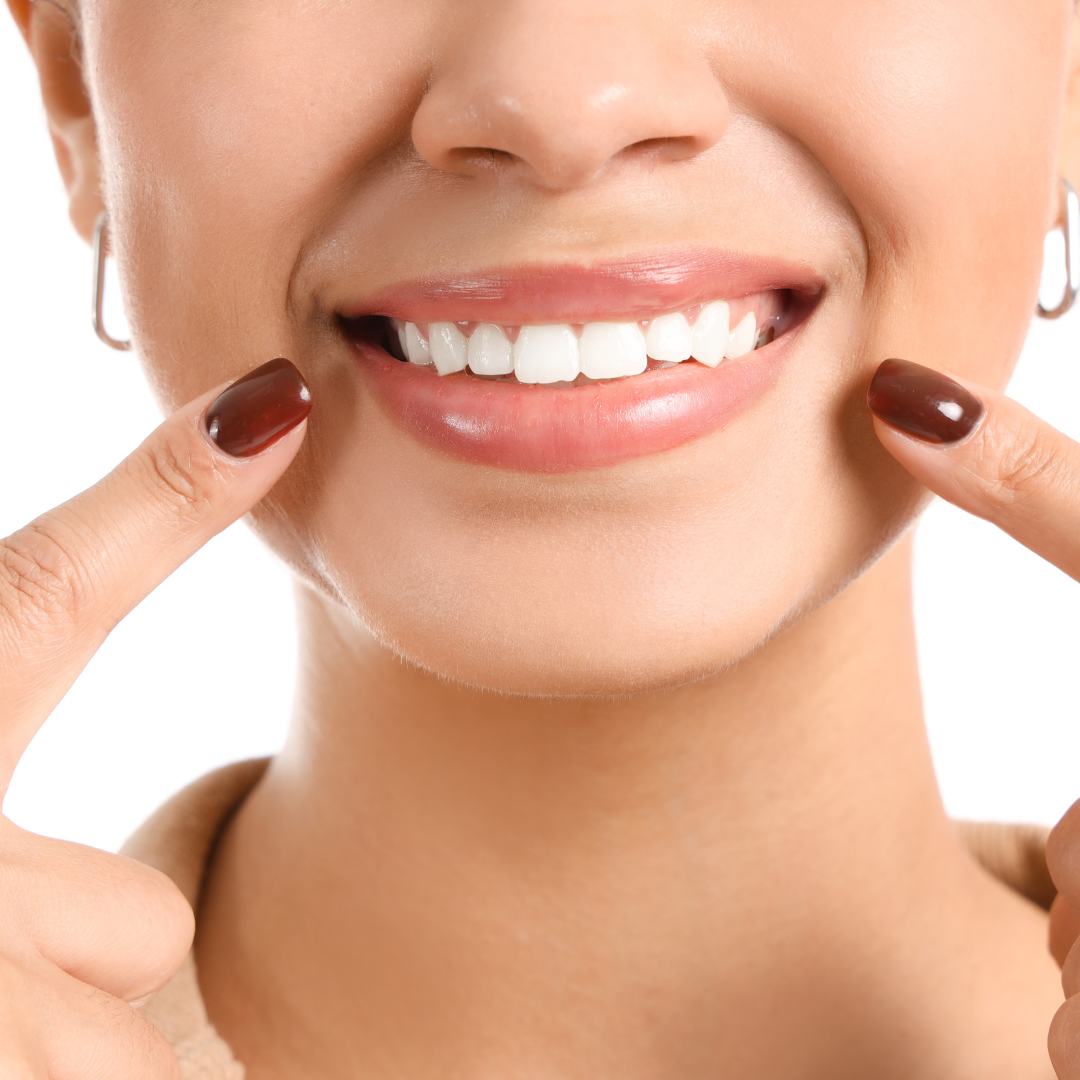
Surface stains, also known as extrinsic stains, build up when pigments from food, drinks, or tobacco cling to enamel. These stains respond very well to natural whitening methods, especially when combined with consistent brushing and routine dental cleaning. Internal stains, or intrinsic stains, form inside the dentin. These stains may develop from medication, aging, or trauma. Natural remedies cannot fully remove deep internal discoloration, but they can help minimize dullness and improve overall brightness.
Eating patterns also contribute to staining. Drinks like coffee, tea, red wine, and soda gradually discolor teeth over time because they contain tannins or acids that soften enamel. Acidic foods weaken enamel, making it easier for stains to settle. If you regularly consume sugary or acidic foods, protecting your enamel becomes even more essential so whitening methods can be effective.
The good news is that natural remedies work best when the enamel surface is maintained properly. A strong enamel layer brightens more easily, holds whitening results longer, and resists future staining. If you are unsure whether your tooth color is caused by surface stains, deeper discoloration, or enamel thinning, consider scheduling a checkup with a dentist for a personalized evaluation.
Natural Whitening Basics
Natural teeth whitening focuses on strengthening enamel, reducing surface stains, supporting healthy saliva flow, and preventing future discoloration. Unlike chemical whitening agents, natural methods aim to brighten gradually and safely. The goal is not to bleach teeth but to remove buildup, neutralize acids, and restore the natural shade your teeth are meant to have.
Your body plays a huge role in keeping your teeth bright. Saliva protects the enamel by neutralizing acids and washing away food particles. Proper hydration, healthier food choices, and consistent oral hygiene all help your natural whitening efforts last longer. Natural whitening is a combination of habits, nutrition, and gentle, science-supported techniques that build radiance over time.
If you have sensitive teeth, your enamel may already be weakened. Natural whitening is particularly helpful because it avoids the risk of irritation associated with stronger gels or bleaching strips. If you experience gum irritation, tooth pain, or extreme sensitivity, stop any whitening experiment and speak with a dental professional.9 Common Reasons for Sensitive Teeth and Mouth – Healthhype
Food Stain Factors
Diet is one of the biggest contributors to stained teeth. Dark-colored foods leave pigments that bind to enamel, creating discoloration that grows worse over time. Coffee, tea, berries, red wine, and colored sauces are common causes. Even healthy foods such as beets, cherries, and turmeric can stain if consumed often without proper oral care. Acidic drinks like citrus juices and soda soften enamel temporarily, making it easier for pigments to stick.
If you drink acidic or staining beverages daily, using a straw helps reduce direct contact with teeth. Rinsing your mouth with water after these drinks can also prevent long-term staining. The goal is not to eliminate these foods entirely, but to reduce the time they stay on your teeth.
Sugar also contributes to dull teeth because it feeds harmful oral bacteria that produce acid. This acid weakens enamel, exposing the yellow-colored dentin beneath. When enamel thins over the years, teeth naturally appear darker. Strengthening enamel helps reverse much of this visual effect, making natural whitening more effective.
To support enamel strength, include more leafy greens, dairy products, nuts, and foods high in calcium and phosphorus in your diet. These minerals support stronger teeth and help prevent deeper discoloration that whitening cannot easily correct.
For more support on overall wellness that contributes to oral health, you can explore related content such as boosting overall immunity in the colder months, which influences saliva quality, in this HealthHype resource: https://healthhype.com/strengthen-immune-system-during-winter-months-vitamin-d-benefits.html
Enamel and Staining
Enamel is the hardest structure in the body, but it can wear down slowly due to poor diet, acidic drinks, medical issues, and normal aging. Once enamel thins, the darker inner layer, known as dentin, becomes more visible. This makes teeth look yellow even if they are clean.
Natural whitening works best when enamel is strong and intact. Strengthened enamel creates a smoother surface, which makes stain removal easier and prevents pigments from sticking. The goal is to brighten your teeth while maintaining or improving enamel health.
Hydration also plays a role. Dehydration reduces saliva flow, which affects the mouth’s natural cleaning processes. Dry mouth, whether caused by medications, mouth breathing, or dehydration, increases stain buildup and makes whitening less effective. Drinking enough water daily naturally supports brighter teeth.
Another factor is mouth acidity. Acidic saliva softens enamel gradually, making teeth more vulnerable to stains. Drinking water after meals, avoiding excessive snacking, and limiting acidic foods can help protect enamel and enhance the effectiveness of natural whitening.Breathing Cold Air Chest Pain: Full Guide – Healthhype
Natural Whitening Methods
Natural teeth whitening does not rely on bleaching chemicals. Instead, it focuses on stain removal, enamel support, and overall oral health. These methods are gentle but effective when used consistently.
Oil pulling is one of the oldest natural whitening practices. Traditionally done with coconut oil due to its antimicrobial properties, oil pulling helps reduce plaque buildup. By lowering harmful bacteria and cleaning the mouth, the enamel becomes smoother, and surface stains become less visible. Many people experience mild whitening benefits after consistent practice.
Baking soda is another effective natural option. Its mild abrasiveness helps remove surface stains without damaging enamel when used correctly. Baking soda also has alkaline properties that neutralize acids in the mouth. This is particularly helpful for people who consume acidic foods or beverages that wear enamel over time. However, baking soda must be used gently and not excessively to avoid abrasion.
Hydrogen peroxide in its diluted form is a natural whitening compound, though it must be used carefully. Most whitening strips rely on peroxide, but natural routines use lower concentrations. Even weak solutions can brighten teeth over time by oxidizing stain molecules.
Fruit enzymes, especially those found in papaya and pineapple, contain natural whitening effects. Bromelain and papain help break apart protein-based stains. When used occasionally, these fruits can enhance a whitening routine. They should never replace regular brushing, though, because their natural acids can soften enamel if left on teeth too long.
Charcoal has become a popular natural whitening trend, but its benefits and safety are debated. Activated charcoal binds to toxins and pigments, but it is abrasive. If used too aggressively, it can wear enamel down, making teeth appear more yellow long-term. Anyone using charcoal should apply it sparingly and gently.How Do I Know If I Have a Cavity or Not? – Healthhype
For individuals struggling with gum problems or oral inflammation, natural whitening becomes safer when oral health is addressed first. You can explore gum-related health issues and contributing factors in this HealthHype article: https://healthhype.com/why-hair-falling-out-much.html (relevant for systemic issues influencing oral and gum health)
Oil Pulling Effects
Oil pulling works by reducing harmful bacteria in the mouth. These bacteria produce acids and biofilm that contribute to plaque and discoloration. When coconut oil is swished around the mouth, the oil traps bacteria and debris, leaving the mouth cleaner.
This method also helps moisturize the gums, reduce inflammation, and freshen breath. When the oral environment becomes healthier, the enamel stays smoother and more resistant to staining. Although oil pulling does not bleach teeth, it can create noticeable brightness over time because it removes buildup and prevents plaque from staining the surface.How Do I Know If I Have a Cavity or Not? – Healthhype
Coconut oil contains lauric acid, which has natural antibacterial properties. This makes it more effective than other oils like olive or sunflower oil for oral care. The consistent use of oil pulling enhances natural whitening, especially when paired with a low-sugar diet and consistent brushing.
Baking Soda Use
Baking soda brightens teeth by gently scrubbing away stains and neutralizing acidity. Its alkaline nature helps rebalance the pH of the mouth, which protects enamel from erosion. When enamel remains strong, whitening results last longer.
Baking soda does not bleach the teeth; it simply cleans the enamel thoroughly. When used once or twice a week, it helps maintain a cleaner, brighter surface. Overuse may risk abrasion, so moderation is important. Mixing baking soda with water into a mild paste is a safe approach.
Baking soda also helps improve gum health because it reduces the growth of harmful bacteria. This indirectly supports whitening by minimizing plaque buildup, which commonly causes yellowing.How Do I Know If I Have a Cavity or Not? – Healthhype
Hydrogen Peroxide Safety
Hydrogen peroxide is naturally produced by the body in small amounts. It is a mild bleach when used in low concentrations. Dentists use peroxide in most professional whitening treatments, but at much higher levels.
For natural whitening, diluted peroxide can be used as an occasional rinse or mixed with baking soda for a gentle whitening paste. However, strong solutions or overuse can irritate the gums or cause sensitivity. Always keep the concentration low to avoid enamel damage.
People with sensitive teeth or gum disease should consult a dentist before using peroxide. For many individuals, peroxide is an effective natural option when used responsibly.
Fruit Enzyme Impact
Fruits like pineapple and papaya contain enzymes that break down protein-based stains on the enamel. These natural enzymes help dissolve plaque buildup and improve the brightness of teeth. They also support saliva production, which contributes to long-term oral cleanliness.
However, fruit acids can also soften enamel if left on teeth for too long. Rinsing your mouth after consuming acidic fruits is important to protect enamel. Enzymatic fruits work best as part of an overall healthy diet rather than a primary whitening method.
Malic acid found in strawberries and apples can help stimulate saliva and reduce surface stains. When used occasionally, mashed strawberries can act as a mild polishing paste. Always brush afterward with fluoride toothpaste to restore the enamel’s strength.How Do I Know If I Have a Cavity or Not? – Healthhype
Activated Charcoal Facts
Activated charcoal became popular because of its ability to bind to toxins and pigments. However, charcoal is abrasive and can damage enamel if used too aggressively. When enamel thins, the dentin becomes more visible, making teeth appear yellower, not whiter.
Charcoal may offer mild surface stain removal, but it should never replace standard oral care. Use it gently and only occasionally if you choose to include it in your routine.
Diet and Whitening
Diet plays a major role in the brightness of your teeth. Crunchy fruits and vegetables help scrub the enamel naturally. Dairy products help remineralize enamel. Nuts and seeds support saliva flow and provide essential minerals.
A whitening-friendly diet also reduces the frequency of acidic and sugary foods. Eating calcium-rich and vitamin-D-rich foods supports long-term enamel health. If you lack vitamin D, your enamel may weaken, leading to increased staining. You can explore the connection between vitamin D and body defenses in the HealthHype article here:
https://healthhype.com/strengthen-immune-system-during-winter-months-vitamin-d-benefits.html
Hydration and Saliva
Saliva protects teeth and naturally prevents staining. Staying hydrated supports proper saliva flow. Dry mouth increases plaque buildup and staining because saliva cannot clean the enamel effectively.
Drinking water throughout the day, especially after meals, reduces the contact time of pigments and acids on the teeth. Water rinses the mouth naturally and supports long-term whitening.
Habits and Whitening
Lifestyle habits such as smoking, frequent snacking, and consuming staining beverages significantly affect tooth brightness. Tobacco stains deeply because of the tar and nicotine. These stains are stubborn and require consistent care to lighten.
If reducing or quitting smoking is part of your health journey, natural whitening methods will work much better. Replacing frequent snacking with balanced meals helps stabilize mouth pH, protecting enamel from constant acid attacks.
Even brushing habits matter. Brushing too aggressively damages enamel, while brushing too softly may leave stains behind. A soft brush and gentle motion protect the enamel and enhance whitening.Does Fluoride Really Protect Teeth? – Healthhype
Oral Hygiene Importance
Natural whitening works best when oral hygiene is consistent. Brushing twice daily, flossing, and scheduling professional cleanings help remove plaque and tartar that block whitening. Tartar cannot be removed at home, and it traps stains, making teeth look darker.
Using fluoride toothpaste strengthens enamel. Some people are hesitant about fluoride, but it is essential for enamel remineralization. Strong enamel appears brighter and resists staining.
Tongue cleaning also prevents bacteria from spreading across the mouth. A cleaner mouth remains brighter naturally.
If you want to explore more on how systemic issues can influence oral health, see this related HealthHype guide:
https://healthhype.com/why-hair-falling-out-much.html
When Natural Methods Fail
Not all discoloration responds to natural remedies. Intrinsic stains, enamel thinning, and certain medical conditions require professional support. If you notice gray discoloration, brown internal patches, or sudden changes in tooth color, schedule a dental checkup.
Professional whitening, veneers, or bonding may be needed for severe discoloration. Natural methods work best as maintenance when combined with regular dental care.
If you experience pain, sensitivity, or gum irritation during whitening efforts, stop immediately and consult a dentist.
Whitening Myths Explained
Many online trends about natural whitening are misleading. Lemon juice, apple cider vinegar, and other acidic substances may appear to whiten at first, but they actually erode enamel. Once enamel is damaged, the yellow dentin becomes more visible.
Another myth is that whitening toothpaste can bleach the teeth. Most whitening toothpaste only removes surface stains. They do not change the internal color of the enamel.
Charcoal, salt, and other abrasive materials are often promoted as whitening agents, but they can permanently harm enamel. Once enamel is lost, it does not grow back.
Understanding these myths protects your oral health and prevents damage from unsafe whitening practices.
Professional Versus Natural
Natural whitening is gentle, affordable, and safe for long-term use. It focuses on improving oral health while brightening teeth gradually. Professional whitening is faster and more dramatic but may cause temporary sensitivity.
Choosing between natural and professional methods depends on your goals. If you want quick results for an event, professional whitening may be preferred. If you want a safer, long-term approach, natural whitening is ideal.
Many people combine both approaches by using natural whitening for maintenance after professional treatment.6 Reasons And Remedies For Persistent Bad Breath – Healthhype
Natural Whitening Guide
A consistent natural whitening routine includes brushing twice daily, using baking soda occasionally, incorporating coconut oil pulling, staying hydrated, and avoiding excessive staining foods. Complementing this with a remineralizing diet and consistent dental hygiene helps maintain brightness.
Saliva support, enamel strengthening, and safe stain removal techniques create long-lasting results. Whitening is not a one-time activity but a lifestyle pattern.
As the desire for natural oral care grows, choosing methods that respect enamel health becomes crucial. Your smile can brighten gradually with safe steps and consistent habits.
Conclusion
Natural teeth whitening can genuinely improve the brightness of your smile when done consistently and safely. By understanding the causes of discoloration, protecting your enamel, and choosing scientifically supported natural methods, you can whiten your teeth without risking damage. Whether you choose oil pulling, baking soda, diluted peroxide, fruit enzymes, or dietary improvements, the key is long-term oral health. Strong enamel, balanced habits, and consistent hygiene create the foundation for a naturally bright smile.
To support your full health journey—including immunity, inflammation, and total wellness—explore related articles on HealthHype.com for a deeper understanding of how body systems contribute to oral health.
External References
Centers for Disease Control and Prevention (CDC): Oral Health
https://www.cdc.gov/oralhealth/index.html
World Health Organization (WHO): Oral Health Fact Sheet
https://www.who.int/news-room/fact-sheets/detail/oral-health
National Institute of Dental and Craniofacial Research (NIDCR): Tooth Enamel and Dental Health
https://www.nidcr.nih.gov/health-info/tooth-enamel
American Dental Association (ADA): Whitening and Safety Guidelines
https://www.ada.org/resources/research/science-and-research-institute/oral-health-topics/tooth-whitening