
How Long Do Dental Implants Last
Curious about how long do dental implants last? Discover insights into their longevity and reliability in your dental health journey.
Losing a tooth is more than a cosmetic concern. It affects the way you chew, the way you speak, and often the way you feel about yourself. When people begin searching for a replacement, one question always rises to the top: can anything truly feel and function like a natural tooth again? Dental implants have become the answer many people trust. They promise strength, stability, natural appearance, and long-term reliability. Yet despite these advantages, most patients have the same essential question before committing: how long do dental implants last, and will they genuinely stand the test of time?When to Consider Dental Implants – Healthhype
This is where the APP formula helps us begin. First, we acknowledge your concern: implant treatment is an investment, and you deserve clarity. Next, we provide reassurance: decades of research confirm that dental implants have one of the highest success rates of any modern medical device. Finally, we make a promise: in this article, you will gain a complete understanding of implant lifespan, from the moment an implant is placed to decades after it has fused with bone. You will learn the factors that influence longevity, the science behind implant success, and the habits that give your implants the best chance of lasting a lifetime.
By the end of this article, you will be equipped with expert-level insight into how long dental implants last, what affects their durability, and what you can do to ensure they remain strong for as many decades as possible.
Implant Lifespan Overview
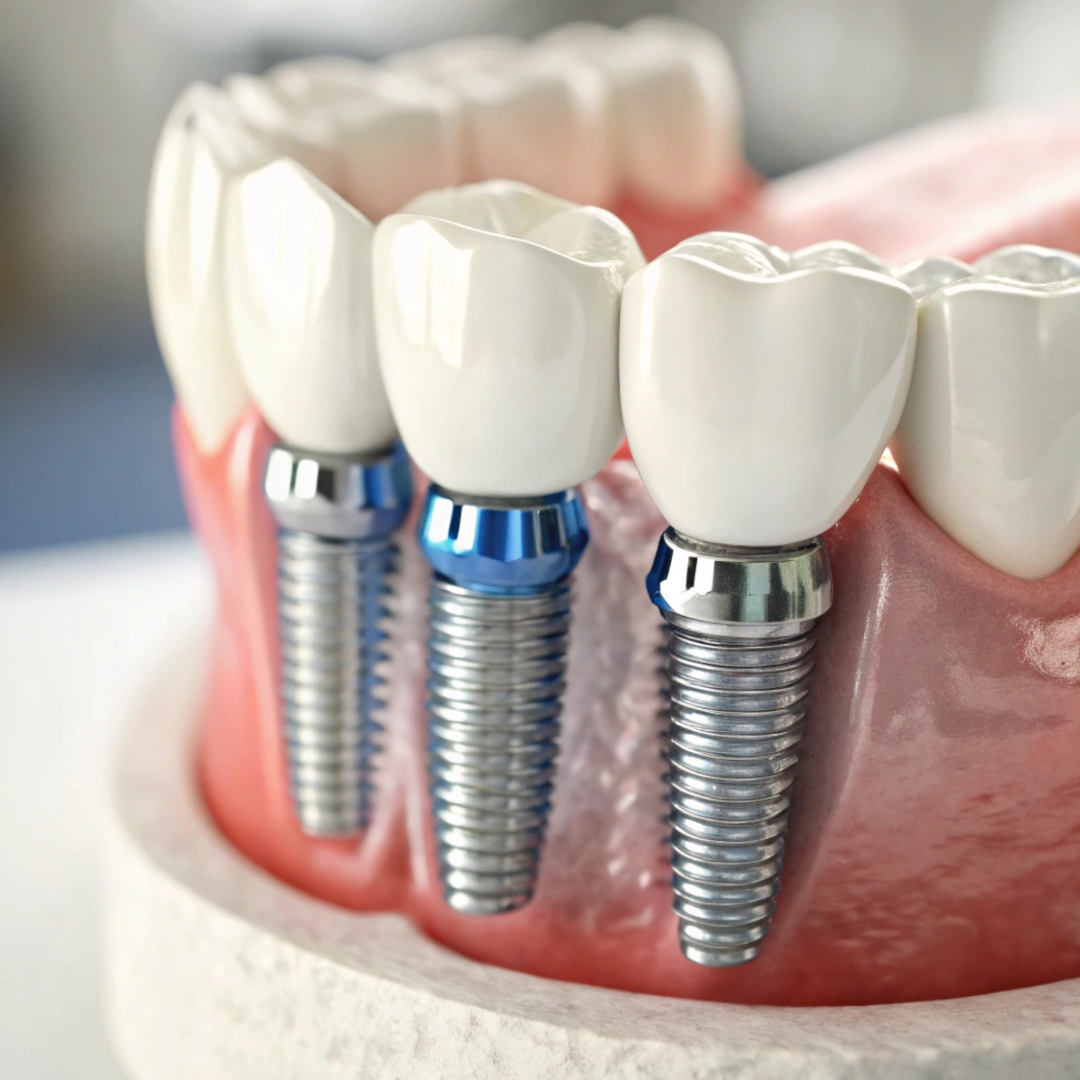
Dental implants are designed to be long-lasting. They consist of three essential components: the titanium implant post, the abutment that connects the post to the crown, and the crown itself. The titanium post is the anchor, placed directly into the jawbone. Once inserted, the bone naturally grows around it, creating a bond almost identical to a natural tooth root.
The implant post is what can last a lifetime. Titanium is not only strong but incredibly biocompatible. Unlike metals that cause irritation or rejection, titanium encourages the surrounding bone to integrate with it. This process, known as osseointegration, is the foundation of implant longevity. As the bone fuses to the implant surface, it creates a level of stability unmatched by dentures, bridges, or any other tooth replacement.
The crown, on the other hand, has a different lifespan. While crowns are made from durable materials such as porcelain, zirconia, or ceramic composites, they still undergo wear when you chew, bite, and grind. Most crowns last ten to fifteen years, though some can last much longer when placed accurately and cared for consistently. The good news is that replacing a crown does not affect the titanium post underneath, which can remain stable for decades.
Large-scale clinical studies support this high level of performance. Modern data consistently shows implant survival rates above 95 percent after ten years. Many studies tracking patients for more than twenty years reveal that a significant majority still function without complications. This means that when placed correctly, under the right conditions, dental implants have one of the best long-term outcomes in dentistry—and medicine as a whole.Dental Procedures & Surgery – Root Canal, Bridges, Implants – Healthhype
Why Implants Last Long
Implants last so long because they interact with the body in a way no other dental restoration can. Titanium is one of the rare materials that bonds naturally with bone. As soon as the implant is placed, bone cells called osteoblasts begin attaching to its surface. Over several months, these cells form a strong biological connection that firmly anchors the implant within the jaw.
This biological bonding is what gives implants their exceptional strength. Dentures, for example, rely on suction or adhesives that can weaken over time. Bridges rely on neighboring teeth, which can decay or fracture. Implants, however, stand independently. They rely solely on their bond with bone, creating a level of stability that closely mimics the natural tooth root.
Implants also prevent bone loss. When a natural tooth is removed, the jawbone no longer receives stimulation from chewing forces. Over time, this lack of stimulation causes the bone to shrink. This shrinkage leads to facial changes such as sunken cheeks, increased wrinkles around the mouth, and shifting teeth. Dentures and bridges cannot stop this process. Implants, however, stimulate the bone in the same way a natural root does, preventing bone deterioration and maintaining facial structure.
Because implants preserve bone health, they avoid many of the long-term complications seen with dentures or bridges. This contributes directly to their long lifespan. The healthier the bone remains, the stronger the support for the implant—and the longer it can function without complications.
Another reason implants last long is that they do not rely on gums for stability. Dentures press against gum tissue, causing irritation and sores. Over time, this pressure accelerates bone loss. Implants bypass gum tissue entirely and integrate directly with the bone, preventing the cycle of irritation and bone resorption seen with dentures.
Implants are also highly resistant to decay. While the crown above the implant can still face wear, discoloration, or fracture, the implant itself does not decay like natural teeth. This resistance to bacterial attack contributes significantly to its longevity.Natural Teeth Whitening Tips for a Brighter Smile – Healthhype
Biology Behind Implant Success
Understanding how long dental implants last requires understanding how the body heals around them. After the implant is placed surgically, the early phase of healing begins. Blood forms a clot around the implant, protecting the site and attracting cells needed for healing. Specialized cells begin cleaning the area, removing debris and preparing the bone for new growth.
Within a few days, osteoblasts arrive. These bone-forming cells begin to attach to the implant surface. They slowly deposit new bone tissue that grows tightly around the titanium. This process continues for several months, gradually strengthening the bond between the implant and the jawbone.
The body then enters a remodeling phase. Old bone is replaced with new bone, adapting to the stresses of chewing. This remodeling process continues for years, constantly reinforcing the implant. The stronger the bone becomes, the longer the implant lasts.
Inflammation control also plays a critical role. When gums remain healthy, the tissues around the implant stay tight and protective. When inflammation sets in due to plaque buildup, the bone and gums begin to weaken. This is the foundation of peri-implant disease.
Healthy biology supports implant longevity. Unhealthy biology threatens it.
Factors That Influence Longevity
Several factors determine how long dental implants last. One of the strongest predictors is bone quality. The jawbone varies from person to person. Some have dense, strong bone that grips the implant firmly. Others may have soft or thin bone due to genetics, long-term denture use, gum disease, or age-related conditions. Soft bone increases the risk of implant movement during healing. Thin bone may require grafting before an implant can be placed safely.
Gum health is another major factor. Even though implants do not decay, the tissues surrounding them can become infected if plaque is not removed regularly. Peri-implantitis is the implant version of gum disease. It begins as inflammation around the implant and can progress to bone loss. Once the supporting bone begins to deteriorate, the implant loses its stability. Good oral hygiene and regular cleanings dramatically reduce this risk.
Lifestyle habits also influence how long implants last. Smoking is one of the strongest negative predictors of implant success. Nicotine restricts blood flow to the gums, slows healing, and increases inflammation. Smokers often experience slower osseointegration and higher rates of peri-implantitis. Alcohol, especially daily heavy drinking, can also reduce healing ability and increase inflammation.
Chronic illnesses such as diabetes influence implant longevity as well. When blood sugar is uncontrolled, healing slows and inflammation increases. However, well-managed diabetes does not significantly affect implant success. This means that medical stability, not the disease itself, determines whether implants last a long time.
Teeth grinding or clenching places intense pressure on implants. Unlike natural teeth, which have ligaments that absorb shock, implants are rigid. Constant grinding can cause micro-fractures in the bone or loosen the crown. Using a night guard protects the implant and ensures pressure is distributed safely.
Finally, surgical technique greatly influences longevity. A skilled implant surgeon evaluates bone density, assesses bite alignment, and positions the implant at the correct angle and depth. Poor placement can lead to overload, bone stress, or poor fusion. Choosing an experienced, well-trained implant surgeon improves long-term success dramatically.How Do I Know If I Have a Cavity or Not? – Healthhype
How to Maintain Implants for Life
Daily care plays a fundamental role in extending implant lifespan. Implants need the same level of care as natural teeth, and sometimes even more. Brushing twice a day removes plaque that can irritate the gums. Using a soft-bristle toothbrush prevents gum abrasion. Flossing removes plaque between the implant and neighboring teeth, preventing inflammation.
Some patients benefit from using water flossers or interdental brushes, which clean deeper around the implant. Antimicrobial mouth rinses can reduce bacteria and inflammation. These small habits, when practiced daily, protect the bone and gums long-term.
Routine dental visits are essential. Dentists can detect early signs of peri-implantitis, gum inflammation, or bite problems. They can take X-rays to ensure the bone remains stable. Professional cleanings remove plaque that brushing alone cannot reach.
Protecting implants from grinding is another important step. A night guard helps distribute pressure evenly and protects the implant from excessive force. Patients with bruxism benefit greatly from using a custom-made guard designed specifically for night use.
Avoiding smoking dramatically increases the lifespan of implants. Smoking triples the risk of implant complications. Quitting smoking not only improves implant success but improves overall oral health as well.
A healthy diet supports bone health and gum stability. Calcium-rich foods, vitamin D, protein, and nutrient-dense meals help maintain strong bone tissue around the implant.
Realistic Expectations for Longevity
Most dental implants last twenty-five to thirty years, and many last for the rest of a patient’s life. The titanium implant post can stay stable indefinitely if the bone remains healthy. The crown may need replacement after ten to fifteen years due to wear, but this is part of normal dental maintenance. The abutment, depending on its material, may last as long as the crown or require replacement slightly sooner.
Longevity varies depending on placement. Implants in the lower jaw tend to last longer because the bone is denser. Implants in the back of the mouth experience more chewing force and may experience crown wear sooner. Front implants, while aesthetically important, typically last a long time due to lower forces.
Age also influences expectations. Younger patients may need crowns replaced more than once over their lifetime. Older adults may find that a well-placed implant lasts the remainder of their lives without major issues.
With proper care, healthy habits, and professional monitoring, dental implants remain one of the most reliable long-term treatments available.
Why Dental Implants Are Worth It
Dental implants restore the ability to chew naturally, speak clearly, and smile confidently. Unlike dentures, they do not slip, click, or irritate the gums. Unlike bridges, they do not require shaving down healthy teeth. Instead, they protect surrounding teeth and bone, improving long-term oral health.
From a financial standpoint, implants are cost-effective over time. Dentures require ongoing adjustments and replacements. Bridges typically need replacement every seven to ten years. Implants, with their decades-long durability, require fewer interventions. This means that while their initial cost may be higher, their long-term value is unmatched.
Implants also offer significant emotional benefits. People who receive implants often report improved confidence, greater comfort when eating, and increased willingness to smile. These improvements in daily life contribute to emotional well-being, social engagement, and overall quality of life.
The longevity and stability of implants make them not just a dental treatment but an investment in long-term health and happiness.
External References
American Dental Association — Dental Implants
https://www.ada.org/resources/research/science-and-research-institute/oral-health-topics/dental-implants
Cleveland Clinic — Dental Implant Overview
https://my.clevelandclinic.org/health/treatments/10903-dental-implants
National Institute of Dental and Craniofacial Research (NIDCR)
https://www.nidcr.nih.gov
PubMed — Long-Term Implant Survival Studies
https://pubmed.ncbi.nlm.nih.gov