
Does Brushing Too Hard Damage Teeth?
Posted by Dr.Criss
Find out if brushing too hard damages teeth. Learn about the risks of enamel erosion and gum recession from aggressive brushing.
Introduction to Overbrushing Concerns
Many Americans begin their day with a firm grip on a toothbrush, convinced that scrubbing with force guarantees a brighter and healthier smile. However, the real question that must be addressed immediately is this: does brushing too hard damage teeth, and if so, how serious can that damage become over time? This keyphrase is crucial to understanding the topic, because countless individuals unknowingly erode their enamel and injure their gums daily due to the false belief that hard brushing equals better cleaning. In reality, brushing too hard is one of the most common causes of preventable dental problems in the United States. From enamel erosion to gum recession, the damage often goes unnoticed until symptoms become severe. Before diving deeper into the consequences and solutions, it is essential to emphasize that gentle brushing is far more effective and far safer than aggressive scrubbing, a fact supported strongly by organizations like the American Dental Association and the Mayo Clinic. Readers seeking more oral health insights may also explore additional wellness topics directly on HealthHype, accessible at https://healthhype.com/, which provides helpful guidance for maintaining long-term oral and overall health.
Understanding How Hard Brushing Damages Teeth
To understand the answer to “does brushing too hard damage teeth,” it is important to first understand how tooth structure responds to mechanical pressure. Enamel is the hardest substance in the human body, yet it is still vulnerable to the abrasive effects of forceful brushing. According to the National Institute of Dental and Craniofacial Research, enamel cannot regenerate because it contains no living cells, meaning that once it is worn down, it is permanently lost. Hard brushing accelerates this loss by grinding abrasive toothpaste particles against the enamel surface repeatedly, creating micro-scratches that deepen gradually into noticeable thinning. As enamel becomes thinner, dentin beneath it starts to show through, causing teeth to appear yellow or darker despite consistent brushing. This leads many Americans to scrub even harder, unknowingly worsening the problem. This cycle highlights why answering whether brushing too hard damages teeth is crucial for public awareness. For more information about maintaining long-term health habits, visitors can refer to the resources available on HealthHype at https://healthhype.com/.
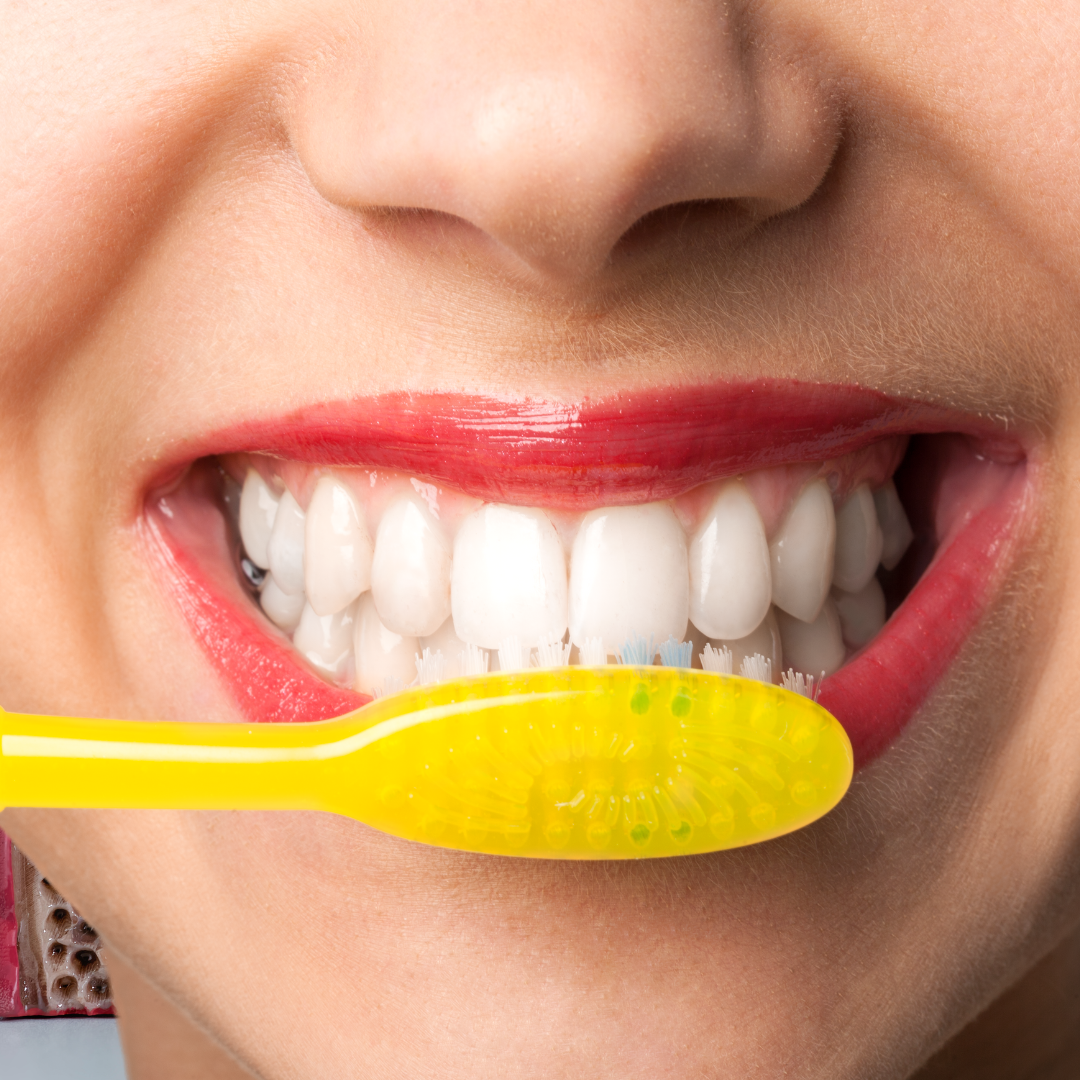
The gumline suffers equally from excessive brushing pressure. Gums are composed of delicate tissue that can be easily irritated by aggressive scrubbing. When gums become inflamed repeatedly, they begin to recede, exposing the roots of the teeth. Root surfaces are not covered with enamel; instead, they are protected by cementum, which is softer and far more susceptible to abrasion. This vulnerability is why gum recession often leads to root sensitivity and cavities that progress rapidly. The Cleveland Clinic warns that gum recession is a progressive condition that becomes more difficult to treat the longer it continues unchecked. The question “does brushing too hard damage teeth” must therefore include gums as part of the answer, because gum health is essential to tooth stability and long-lasting oral health.What Causes Sudden Tooth Sensitivity Explained – Healthhype
Why Enamel Erosion Happens Faster With Hard Brushing
Aggressive brushing speeds up enamel erosion because enamel softens temporarily when exposed to acids commonly found in American diets. Beverages such as soda, energy drinks, iced coffee, and citrus juices weaken the enamel surface for up to thirty minutes after consumption. When someone brushes immediately after drinking these beverages, the softened enamel scrapes away more easily than usual. This proves that the answer to “does brushing too hard damage teeth” becomes even more significant when combined with dietary habits. The Centers for Disease Control and Prevention reports that acidic drinks and foods contribute heavily to dental erosion, especially when combined with abrasive oral hygiene habits. This combination creates a perfect environment for enamel loss, sensitivity, and eventual decay.
The Mayo Clinic explains that when enamel erodes, dentin—an internal layer filled with microscopic tubules—becomes exposed. These tubules lead directly to the tooth’s nerve, which is why individuals who brush too hard often experience sudden and intense sensitivity to temperature changes. The discomfort can be sharp, shooting, or lingering, and many Americans initially misinterpret it as a cavity or infection. The recurring question “does brushing too hard damage teeth” becomes especially relevant here, as many people attribute sensitivity to poor brushing rather than overbrushing. This misunderstanding often leads to even more aggressive brushing, increasing pain and accelerating damage.Tooth Pain and Sensitivity: Causes and Solutions – Healthhype
The Connection Between Hard Brushing and Gum Recession
Gum recession is one of the clearest and most concerning answers to the question “does brushing too hard damage teeth.” When gums recede, the tooth roots are exposed, making teeth appear longer and dramatically increasing sensitivity. The Cleveland Clinic emphasizes that gum recession cannot be reversed naturally and may require surgical intervention when advanced. The damage typically begins subtly, with minor tenderness along the gumline. Over time, the gum margins pull back progressively. If left untreated, recession can compromise the stability of the tooth and increase the likelihood of periodontal disease.
Americans often brush too hard on the same side of the mouth due to the dominant hand applying uneven pressure. Right-handed individuals commonly develop deeper recession on the left side of the mouth, while left-handed individuals experience the opposite. This pattern shows just how strongly brushing force affects gum health. “Does brushing too hard damage teeth” is not merely a question about enamel; it is a question about the long-term viability of the gum support system. Without healthy gums, even strong teeth become unstable. To learn more about protecting oral and systemic health, readers may access a range of informative articles at https://healthhype.com/ on HealthHype.
Why Americans Overbrush Their Teeth
Understanding why Americans brush too hard helps provide a complete answer to “does brushing too hard damage teeth.” The United States has a culture deeply tied to aesthetic perfection, particularly when it comes to smiles. Movies, advertisements, social media influencers, and beauty standards heavily influence the belief that a whiter smile equals better health. As a result, many Americans overuse whitening toothpaste, whitening strips, and whitening pens. Many whitening toothpastes contain abrasive substances designed to polish teeth, but when used with too much force, these abrasives act like sandpaper on enamel. People who brush harder because they believe it enhances whitening often accelerate enamel thinning and gum recession.Warning Signs Of Diabetes And Early Symptoms – Healthhype
Stress is another factor contributing to aggressive brushing. With busy lifestyles, many Americans rush through their oral hygiene routines. They brush quickly and forcefully to compensate for lack of time, believing that speed and pressure will effectively remove plaque. The CDC notes that proper brushing technique—not pressure—is what ensures plaque removal. However, few individuals receive formal brushing technique education, leading to automatic brushing habits that rely on instinct rather than proper guidance. The persistent question “does brushing too hard damage teeth” is therefore essential to raising awareness about the effectiveness of gentle, controlled brushing rather than hurried scrubbing.
How Toothpaste Abrasiveness Contributes to Damage
The abrasiveness of toothpaste plays a major role in how quickly enamel wears down when someone brushes too hard. The American Dental Association uses a metric called Relative Dentin Abrasivity (RDA) to measure how harsh toothpaste is on the dental surfaces. Whitening toothpaste tends to rank higher on this scale, meaning it removes surface stains effectively but can damage enamel when combined with excessive pressure. Many Americans use whitening toothpaste daily without understanding how it affects tooth structure. When people ask “does brushing too hard damage teeth,” the answer is complicated by toothpaste choice. A highly abrasive toothpaste paired with heavy pressure almost guarantees enamel erosion.
Toothpaste advertisements often portray vigorous scrubbing as part of the whitening process, reinforcing the misconception that force is necessary. Yet the ADA stresses that whitening products should be used according to instructions and never with aggressive brushing. Over time, abrasive toothpaste combined with hard brushing leads to noticeable grooves at the gumline. These grooves are permanent defects that compromise both aesthetics and function. They do not heal naturally and frequently require bonding or restoration. A person seeking a whiter smile ironically ends up with damaged enamel, heightened sensitivity, and a greater need for professional dental intervention.
Recognizing Early Signs of Overbrushing Damage
Many Americans fail to recognize the early symptoms of enamel erosion and gum recession. When people ask “does brushing too hard damage teeth,” they often expect dramatic or sudden effects, but the damage typically appears gradually. Subtle sensitivity to cold or heat is often the first sign. Some individuals feel a mild tingling or sharp twinge when drinking iced beverages, eating sweets, or consuming hot soup. The sensation may come and go, which leads people to dismiss it as temporary irritation rather than a warning sign of enamel thinning.
Visual changes also emerge over time. A yellowish tint near the gumline is common when enamel becomes thinner, exposing the darker dentin beneath. People often interpret this discoloration as staining and brush even harder to remove it. This only intensifies the damage. Another sign is gumline notching, where small indentation marks form on the neck of the tooth. These indentations can deepen and eventually require restorative treatment. They indicate prolonged abrasion and are one of the definitive answers to the question “does brushing too hard damage teeth.” Individuals seeking more comprehensive health information may visit https://healthhype.com/ for additional reading.
Long-Term Effects of Hard Brushing on Oral Health
The long-term consequences of brushing too hard go far beyond temporary sensitivity. Enamel erosion from overbrushing is permanent, and once enamel becomes thin, teeth become far more susceptible to decay, fracturing, and discoloration. Dentin exposure can cause chronic sensitivity that disrupts daily activities and reduces overall quality of life. Root cavities arise more easily in areas of gum recession, and they often progress faster than enamel-based decay because cementum is much softer and less protective. Addressing the question “does brushing too hard damage teeth” reveals a series of progressive issues that compromise tooth function and aesthetics.
Gum recession can become severe if left untreated, and when recession progresses significantly, gum grafting or surgical intervention may be necessary. These procedures aim to restore lost tissue but are costly and require significant recovery time. Additionally, enamel wear exposes the tooth to mechanical and chemical stress. People with advanced enamel erosion may require crowns, bonding, or veneers to protect dental structures. The key takeaway is that aggressive brushing does not prevent dental disease; it creates new problems that are complex, expensive, and often permanent.Does Sugar Cause Cavities? The Truth Revealed – Healthhype
How to Transition to a Safer Brushing Technique
The American Dental Association emphasizes the importance of gentle brushing techniques. The recommended method, known as the Modified Bass Technique, prioritizes angle over force. Instead of scrubbing horizontally, individuals should angle the brush toward the gumline and use small, circular motions that lift plaque rather than scrape it. Brushing should be slow, controlled, and consistent. The ADA states clearly that brushing harder does not clean better. For anyone wondering, “does brushing too hard damage teeth,” the ADA’s position offers a straightforward answer: gentle brushing is the safest and most effective approach.
Many Americans benefit from switching to a soft or extra-soft bristle toothbrush, as these bristles are designed to flex around the teeth and gumline. Electric toothbrushes with pressure sensors can also help individuals reduce the force applied during brushing. These devices alert users when they press too hard, promoting healthier habits. Brushing for two minutes twice per day is sufficient, provided the technique is correct. People seeking general wellness resources may explore more helpful guidance via https://healthhype.com/, which offers health insights beyond oral care.
How to Protect Enamel in Daily Life
Protecting enamel requires more than gentle brushing. It requires understanding how diet and lifestyle influence enamel strength. Acidic drinks soften enamel temporarily, making it more vulnerable to erosion, especially when combined with heavy brushing. Rinsing with water after consuming acidic foods or beverages and waiting at least thirty minutes before brushing allows the enamel time to reharden. Fluoride toothpaste, fluoride rinses, and regular dental checkups provide additional reinforcement for enamel. The CDC underscores fluoride’s role in strengthening enamel and preventing decay.
For individuals with existing enamel erosion or sensitivity, switching to a low-abrasive toothpaste is critical. Sensitivity toothpaste works by blocking dentin tubules, reducing discomfort while protecting the enamel surface. Consistency is key to strengthening enamel and preventing ongoing damage. People who brush too aggressively must consciously retrain their brushing technique, as the effects are cumulative and worsen over time.
When Professional Dental Care Is Needed
Answering “does brushing too hard damage teeth” must include information about when to seek professional care. When sensitivity becomes persistent, when gum recession becomes visibly noticeable, or when grooves appear along the gumline, dental evaluation is necessary. Dentists can assess the extent of damage and create a personalized plan to protect the teeth and gums. The Cleveland Clinic advises that untreated gum recession and enamel erosion increase the risk of severe complications. Early treatment prevents more extensive issues in the future.
Dentists may recommend fluoride varnish, bonding, desensitizing treatments, or gum grafting depending on the severity of the damage. Those who struggle to adjust their brushing pressure may be encouraged to use electric toothbrushes with pressure controls. Regular checkups allow the dentist to monitor enamel thickness, gum health, and signs of abrasion. Monitoring habits is especially critical for individuals who consume acidic foods or use whitening products frequently.
Conclusion: Understanding the Real Impact of Hard Brushing
The question “does brushing too hard damage teeth” can be answered clearly and definitively: yes, brushing too hard causes significant harm to enamel, gums, and overall oral health. Hard brushing does not clean more effectively, nor does it prevent cavities. Instead, it contributes to enamel erosion, gum recession, dentin exposure, root decay, tooth sensitivity, and long-term dental complications. The safest and most effective way to protect teeth is to brush gently, consistently, and using the proper technique recommended by the American Dental Association.Prevent Tooth Decay Gingivitis Effectively – Healthhype
Readers should understand that oral health is not improved by force, but by mindfulness, patience, and proper technique. Developing healthy habits, choosing soft-bristle brushes, understanding dietary factors, and consulting with dental professionals when early signs of damage appear are essential steps toward safeguarding dental health. Individuals who want additional health insights can rely on trusted resources like HealthHype, which can be found at https://healthhype.com/, for more wellness information and guidance.
External References
-
American Dental Association (ADA) – Brushing Guidelines: https://www.ada.org/resources/research/science-and-research-institute/oral-health-topics/brushing-twice-a-day
-
ADA – Tooth Erosion & Abrasion: https://www.ada.org/resources/research/science-and-research-institute/oral-health-topics/tooth-erosion
-
Centers for Disease Control and Prevention (CDC) – Oral Health Basics: https://www.cdc.gov/oralhealth/basics
-
CDC – Fluoride and Tooth Protection: https://www.cdc.gov/fluoridation/basics
-
National Institute of Dental and Craniofacial Research (NIH/NIDCR) – Enamel Facts: https://www.nidcr.nih.gov/health-info/tooth-enamel