
Best Foods for Healthy Eyes: Nutrition Guide
Discover the best foods for healthy eyes to boost vision and prevent eye diseases. Learn nutrition tips and recipes. Visit Healthhype.com now!
Struggling to maintain sharp vision? You’re not alone—many people worry about eye health as they age or spend hours staring at screens. Poor diet can worsen eye problems, but the right foods can protect your vision and keep your eyes healthy. This article explores the best foods for healthy eyes, packed with nutrients to support clear vision and prevent eye diseases, guiding you toward better eye health with practical, science-backed advice.Signs of Glaucoma in Adults, Children and Babies – Healthhype
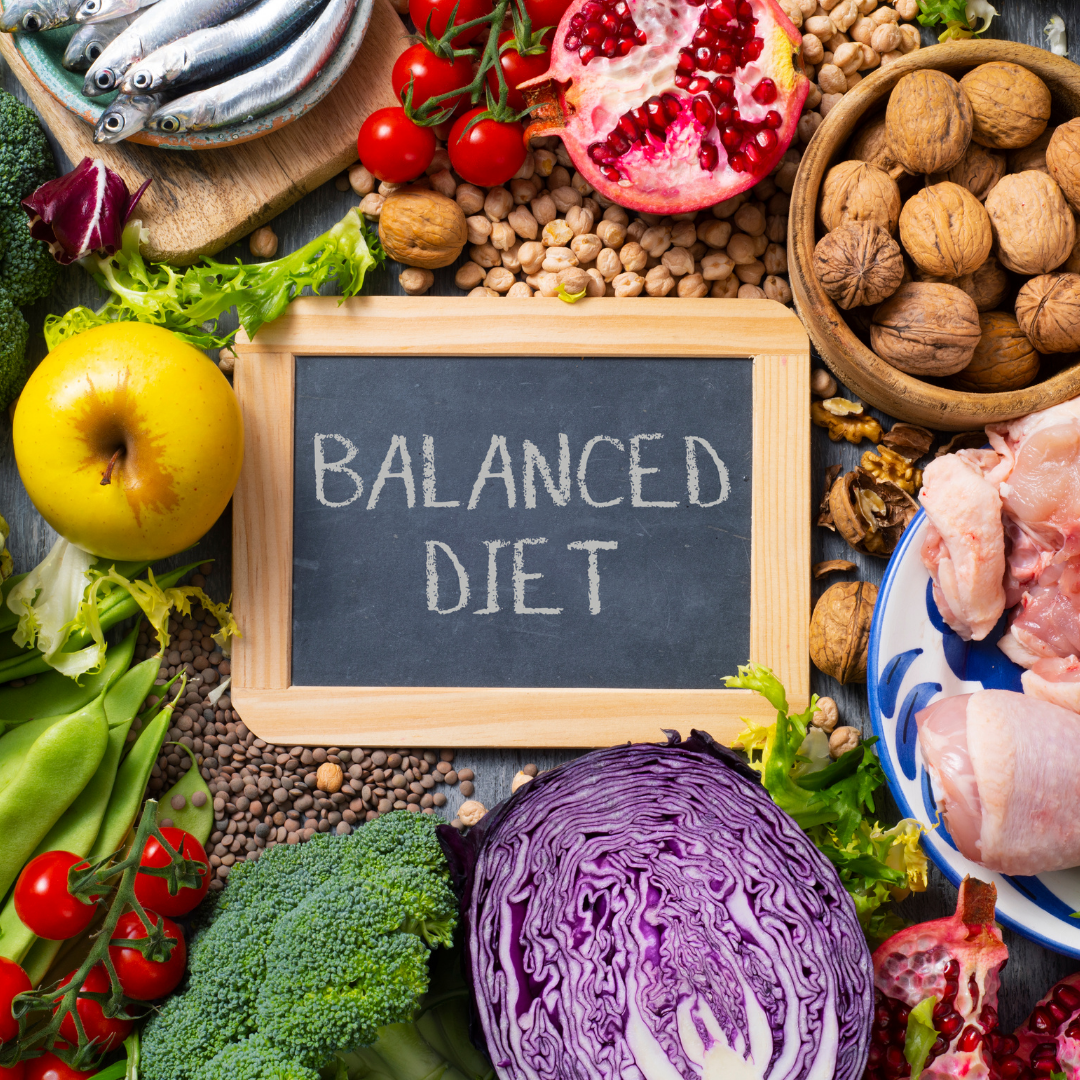
Why Eye Nutrition Matters
Your eyes rely on specific nutrients to function well. A diet lacking in vitamins, minerals, and antioxidants can lead to problems like blurry vision, dry eyes, or even serious conditions such as macular degeneration. By eating nutrient-rich foods, you can protect your eyes from damage, improve vision clarity, and reduce the risk of age-related eye issues. Understanding which foods support eye health empowers you to make smart dietary choices daily.
The modern lifestyle, with prolonged screen time and processed foods, puts extra strain on your eyes. Nutrient deficiencies can worsen this strain, making it vital to focus on a vision-boosting diet. This article dives into the science of eye nutrition, offering clear guidance on foods that keep your eyes in top shape. For more on how diet impacts overall health, check out Healthhype’s guide to balanced nutrition.
Nutrients for Eye Health
Certain nutrients stand out for their role in maintaining healthy eyes. Vitamins A, C, and E, along with minerals like zinc and omega-3 fatty acids, are essential for protecting eye tissues and supporting clear vision. Antioxidants, such as lutein and zeaxanthin, shield your eyes from harmful light and oxidative stress. These nutrients work together to keep your retina, lens, and optic nerve functioning properly.
A diet rich in these nutrients can lower the risk of cataracts, glaucoma, and macular degeneration. For instance, studies show that antioxidants reduce the progression of age-related macular degeneration by up to 25%. By prioritizing foods packed with these nutrients, you can actively support your vision. Learn more about how vitamins impact your body at Healthhype’s vitamin guide.
Top Foods for Vision
Incorporating specific foods into your diet can make a big difference in eye health. These foods are rich in the nutrients your eyes need to stay strong and resist damage. Below, we explore the best choices for a vision-boosting diet, explaining why they work and how to add them to your meals.
Leafy Greens for Eyes
Leafy greens like spinach, kale, and collard greens are powerhouse foods for healthy eyes. They’re loaded with lutein and zeaxanthin, antioxidants that protect the retina from harmful blue light and oxidative damage. These nutrients concentrate in the macula, the part of your eye responsible for sharp central vision. Eating leafy greens regularly can lower your risk of macular degeneration and cataracts.
Try adding spinach to smoothies or sautéing kale with garlic for a tasty side dish. One cup of cooked spinach provides over 20 milligrams of lutein and zeaxanthin, far exceeding the daily recommended amount. For recipe ideas, visit Healthhype’s healthy eating section.
Colorful Fruits and Vegetables
Brightly colored fruits and vegetables, like carrots, sweet potatoes, and oranges, are packed with beta-carotene, a precursor to vitamin A. This nutrient is crucial for maintaining healthy corneas and preventing night blindness. Vitamin C, found in citrus fruits and bell peppers, strengthens blood vessels in the eyes and reduces cataract risk.
For example, one medium carrot delivers over 200% of your daily vitamin A needs. Blend sweet potatoes into soups or snack on orange slices for a quick vitamin C boost. These vibrant foods not only support your eyes but also add variety to your diet. Explore more about antioxidants at Healthhype’s antioxidant guide.Glaucoma (High Eye Pressure) Types, Causes, Symptoms – Healthhype
Fatty Fish for Omega-3s
Fatty fish like salmon, mackerel, and sardines are rich in omega-3 fatty acids, which are vital for eye health. Omega-3s help maintain the health of the retina and may reduce the risk of dry eye syndrome. Studies suggest that regular fish consumption can lower the risk of macular degeneration by up to 38%.
Aim to eat fatty fish twice a week. Grill salmon with herbs or add sardines to salads for a nutrient-packed meal. If you’re not a fan of fish, consider fish oil supplements, but always consult a doctor first. Learn about omega-3 benefits at Healthhype’s omega-3 guide.
Nuts and Seeds Benefits
Nuts and seeds, such as almonds, walnuts, and chia seeds, are excellent sources of vitamin E and omega-3s. Vitamin E protects eye cells from free radical damage, which can lead to cataracts and other issues. A handful of almonds provides about 37% of your daily vitamin E needs, making them a great snack for eye health.
Sprinkle chia seeds on yogurt or add walnuts to oatmeal for an easy nutrient boost. These small but mighty foods are versatile and easy to incorporate into any diet. For more on healthy fats, check out Healthhype’s guide to fats.
Eggs for Eye Health
Eggs are a fantastic source of lutein, zeaxanthin, and zinc, all of which support vision health. The yolk, in particular, contains high levels of these nutrients, making eggs a simple yet effective choice for maintaining healthy eyes. Research shows that eating one egg daily can increase blood levels of lutein and zeaxanthin without raising cholesterol significantly.
Boil eggs for a quick breakfast or add them to salads for a nutrient-packed meal. They’re affordable, versatile, and great for your eyes. Discover more about nutrient-dense foods at Healthhype’s superfoods guide.Glaucoma (High Eye Pressure) Types, Causes, Symptoms – Healthhype
Eye Disease Prevention
Eating the right foods doesn’t just maintain healthy eyes—it can also prevent serious eye conditions. Age-related macular degeneration, cataracts, and glaucoma are common concerns, but a nutrient-rich diet can lower your risk. Let’s explore how specific foods and nutrients contribute to eye disease prevention.
Preventing Macular Degeneration
Age-related macular degeneration (AMD) is a leading cause of vision loss in older adults. It affects the macula, the part of the eye responsible for sharp vision. Diets rich in lutein, zeaxanthin, and omega-3s can slow AMD progression. Foods like leafy greens, fish, and eggs are particularly effective.
A landmark study, the Age-Related Eye Disease Study (AREDS), found that a combination of vitamins C, E, zinc, and beta-carotene reduced AMD progression by 25% in high-risk individuals. Adding these nutrients to your diet through whole foods is a proactive step. For more on AMD, visit Healthhype’s macular degeneration guide.
Reducing Cataract Risk
Cataracts cause cloudy vision and are common with age. Antioxidants like vitamins C and E can help prevent cataracts by protecting the eye’s lens from oxidative damage. Citrus fruits, berries, and nuts are excellent sources of these nutrients.
Eating a diet rich in colorful fruits and vegetables ensures you get enough antioxidants to keep your lenses clear. Drinking plenty of water also supports overall eye hydration. Learn more about cataracts at Healthhype’s cataract guide.Signs of Glaucoma in Adults, Children and Babies – Healthhype
Glaucoma Prevention Tips
Glaucoma damages the optic nerve, often due to high eye pressure. While no food can cure glaucoma, nutrients like omega-3s and antioxidants may help reduce risk. Fatty fish, leafy greens, and berries are great choices for supporting optic nerve health.
Maintaining a healthy weight and avoiding excessive sugar also help, as diabetes can increase glaucoma risk. Regular eye checkups are crucial for early detection. For more on glaucoma, check out Healthhype’s glaucoma guide.
Building a Vision-Boosting Diet
Creating a diet that supports healthy eyes doesn’t have to be complicated. By focusing on nutrient-dense foods and simple meal ideas, you can protect your vision while enjoying delicious meals. Here’s how to build a vision-boosting diet that’s easy to follow.
Meal Planning for Eyes
Start by including a variety of eye-friendly foods in your daily meals. For breakfast, try a smoothie with spinach, berries, and chia seeds. For lunch, enjoy a salmon salad with mixed greens and avocado. Dinner could include grilled mackerel with sweet potato mash and steamed kale.
Snack on almonds or carrots between meals to keep your nutrient intake high. Aim for a colorful plate at every meal to ensure you’re getting a range of vitamins and antioxidants. For meal prep tips, visit Healthhype’s meal planning guide.
Hydration and Eye Health
Staying hydrated is often overlooked but critical for eye health. Dehydration can lead to dry eyes, causing discomfort and blurry vision. Water helps maintain the moisture in your eyes, while foods like cucumbers and watermelon provide hydration and nutrients.
Aim to drink at least eight glasses of water daily and include hydrating foods in your diet. Herbal teas and broths also contribute to hydration. For more on hydration, check out Healthhype’s hydration guide.
Supplements vs. Whole Foods
While supplements like AREDS2 formulas can support eye health, whole foods are the best way to get nutrients. Foods provide a mix of vitamins, minerals, and fiber that supplements can’t match. However, if your diet lacks certain nutrients, supplements may help under medical guidance.
Always consult a healthcare professional before starting supplements, as excessive intake of certain vitamins can be harmful. For more on supplements, visit Healthhype’s supplement guide.
Lifestyle Tips for Eyes
Diet is just one part of maintaining healthy eyes. Combining a nutrient-rich diet with healthy habits can maximize your vision health. Here are practical lifestyle tips to complement your eye-friendly diet.
Limit Screen Time Impact
Prolonged screen time can strain your eyes, leading to dryness and discomfort. Follow the 20-20-20 rule: every 20 minutes, look at something 20 feet away for 20 seconds. Adjust screen brightness and use blue-light-blocking glasses if needed.
Eating foods rich in lutein and zeaxanthin, like spinach, can also protect your eyes from blue light damage. For more on screen time effects, visit Healthhype’s digital eye strain guide.Signs of Glaucoma in Adults, Children and Babies – Healthhype
Regular Eye Checkups
Routine eye exams can catch problems early, even before symptoms appear. Conditions like glaucoma and macular degeneration often progress silently, so regular checkups are essential. Adults over 40 should have an eye exam every one to two years.
A healthy diet supports these checkups by keeping your eyes in top condition. For more on eye exams, check out Healthhype’s eye exam guide.
Exercise for Eye Health
Physical activity improves blood flow to the eyes, delivering essential nutrients and oxygen. Regular exercise also helps manage conditions like diabetes, which can harm vision. Aim for at least 30 minutes of moderate exercise, like walking or yoga, most days.
Combine exercise with a vision-boosting diet for maximum benefits. For fitness tips, visit Healthhype’s exercise guide.
Common Eye Health Myths
Misinformation about eye health is common, and believing myths can lead to poor choices. Let’s debunk some common myths to ensure you’re making informed decisions about your vision.
Carrots Cure All Eye Problems
While carrots are great for eye health due to their beta-carotene content, they can’t fix all eye issues. A balanced diet with a variety of nutrients is necessary for overall eye health. Relying solely on carrots won’t prevent conditions like glaucoma or cataracts.
For a deeper dive into nutrition myths, visit Healthhype’s nutrition myths guide.
Reading in Dim Light Harms Eyes
Reading in low light may cause eye strain, but it doesn’t cause permanent damage. However, proper lighting reduces discomfort and makes reading easier. Pair good lighting with a nutrient-rich diet to keep your eyes comfortable.
Learn more about eye strain at Healthhype’s eye strain guide.
Take Action for Vision
Your eyes deserve the best care, and a diet rich in eye-healthy foods is a powerful step toward clear vision. Start by adding leafy greens, fatty fish, and colorful vegetables to your meals today. Combine these foods with healthy habits like regular exercise and eye checkups for the best results.
Ready to protect your vision? Visit Healthhype.com for more tips, recipes, and guides on maintaining healthy eyes. Share this article with friends and family to spread the word about eye health. Your vision is worth it—act now!Glaucoma (High Eye Pressure) Types, Causes, Symptoms – Healthhype
External References:
-
? National Institutes of Health – Eye Health
Learn how to care for your vision, understand common eye conditions, find a healthcare professional, and explore data and infographics—all curated by NEI under NIH:
-
Learn About Eye Health (overview page): CDC+10National Eye Institute+10Wikipedia+10National Eye Institute+8National Eye Institute+8National Eye Institute+8
-
Keep Your Eyes Healthy (practical tips like exams, diet, rest): World Health Organization+3National Eye Institute+3CDC+3
? Centers for Disease Control and Prevention – Vision Health
Explore CDC’s Vision Health Initiative, covering preventive care, surveillance data (VEHSS), vision loss facts, and their health equity efforts:
-
Vision and Eye Health (main portal): World Health Organization+11CDC+11CDC+11
-
Taking Care of Your Eyes (healthy vision tips and exam guidance): NIH News in Health+6CDC+6National Eye Institute+6
? World Health Organization – Blindness Prevention
WHO’s global strategies for vision loss prevention, including integrated care models and national program support:
-
Blindness & Visual Impairment Fact Sheet (prevention strategies & interventions): National Eye Institute+15World Health Organization+15World Health Organization+15CDC+4Wikipedia+4National Eye Institute+4
-
WHO Regional Programme: Control & Prevention of Blindness (VISION 2020 initiative and technical support to Member States): Wikipedia+3emro.who.int+3emro.who.int+3
-