
Dehydration: Causes, Symptoms, and Prevention Tips
Learn about dehydration causes, symptoms, and prevention. Stay hydrated with expert tips from Healthhype. Boost your health today!
Dehydration is a widespread health problem that impacts people around the world. It occurs when your body loses more fluids than it takes in, disrupting normal bodily functions. Feeling tired, dizzy, or noticing dark urine? These are common signs of dehydration. This comprehensive article explores what dehydration means, its causes, symptoms, and practical ways to prevent it. At Healthhype, we aim to share trusted health information to help you thrive.
What Is Dehydration?
Dehydration happens when your body lacks sufficient water to function properly. Water constitutes about 60% of the human body, playing a critical role in regulating temperature, aiding digestion, and supporting organ function. Without enough fluids, these processes falter, leading to health complications. Dehydration can range from mild to severe, with severe cases requiring immediate medical attention. Understanding dehydration is the first step to preventing it. Learn more about how your body uses water at Healthhype’s guide to body fluids.Water is essential for life, transporting nutrients, clearing waste, and maintaining blood pressure. Every cell relies on water to operate effectively. Even a slight fluid drop can make you feel sluggish or irritable. Severe dehydration can lead to serious conditions like heatstroke or kidney failure. Staying hydrated keeps your body in balance, ensuring optimal performance. Studies show a 1-2% drop in body weight from fluid loss can impair energy, focus, and physical performance. Mild dehydration may cause thirst or headaches, but it can escalate quickly if ignored.
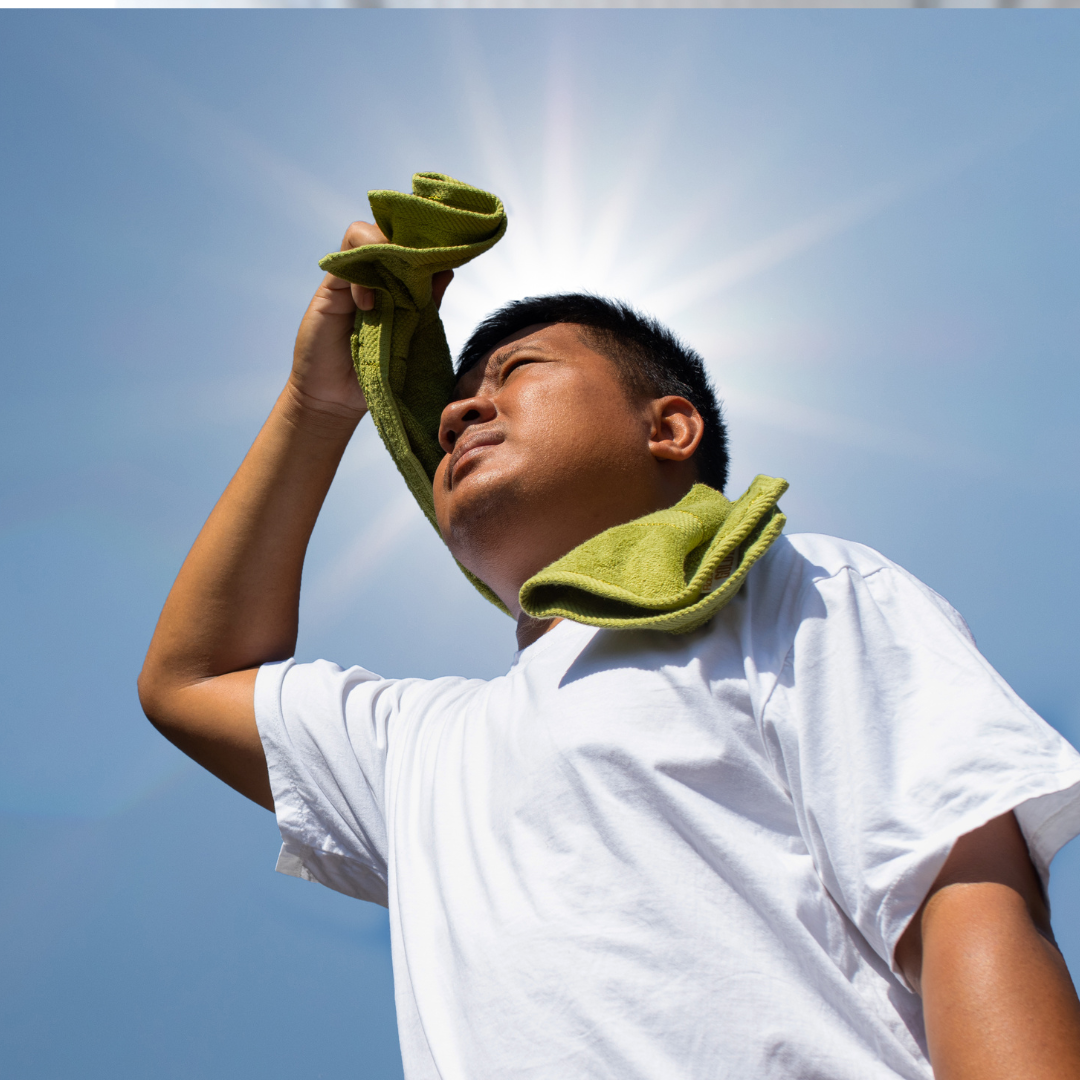
The body stores water in various compartments—about two-thirds inside cells and the rest outside, including in blood. During dehydration, the body prioritizes vital organs, pulling water from less critical areas. This strains the heart and kidneys over time. In adults, water makes up 55% to 65% of body weight, varying by age and sex. Men typically have more water than women due to higher muscle mass, as fat holds less water than muscle. Body composition thus influences dehydration risk.
Dehydration comes in three types: isotonic, hypertonic, and hypotonic. Isotonic involves equal water and salt loss, common in vomiting or diarrhea. Hypertonic occurs when water loss exceeds salt, often from inadequate intake or diabetes insipidus. Hypotonic involves more salt loss, seen with diuretics or kidney issues. Each type requires specific treatment, and understanding them aids effective management.6 Reasons Why Drinking Water Helps You Lose Weight – Healthhype
Why Water Matters
Water performs numerous functions, lubricating joints, protecting the spinal cord, and aiding in saliva and tear production. It also supports sweating to regulate body temperature. Insufficient water slows these processes, causing dry skin, constipation, or eye discomfort. Water facilitates digestion, nutrient absorption, and oxygen transport in blood. Proper hydration enhances brain function, with studies linking it to improved mood and cognition.
In hot weather, water’s role in temperature regulation becomes critical. Dehydration reduces sweating, raising core body temperature and risking heat cramps, exhaustion, or stroke. Athletes and those in hot climates must be vigilant, but even routine activities in heat can dehydrate. Drinking water proactively is essential.
Water also supports detoxification. Kidneys rely on it to filter waste, and low water levels can lead to toxin buildup, kidney stones, or infections. Chronic dehydration is linked to kidney disease. Heart health is also affected, as dehydration thickens blood, forcing the heart to work harder, increasing blood pressure and heart rate.
Who Is at Risk?
Anyone can become dehydrated, but certain groups are more vulnerable. Infants, elderly adults, athletes, and those with chronic illnesses face higher risks. Hot climates, intense physical activity, or illnesses like diarrhea increase the likelihood. Knowing your risk factors enables proactive prevention. For more on at-risk groups, see Healthhype’s article on hydration for seniors.
Children are particularly susceptible, with 65% to 80% of their body weight as water. They may not recognize thirst or access drinks independently, and conditions like diarrhea hit them hard. In 2025, dehydration contributes to 14% to 30% of infant and toddler deaths globally, primarily from diarrhea. Elderly adults, with 45% to 60% body water, have a diminished thirst response, and medications like diuretics heighten their risk—20-30% higher than younger adults.
Athletes lose fluids rapidly through sweat, impacting performance. Outdoor workers, like those in construction or farming, face similar challenges. Chronic conditions like diabetes increase urination, elevating dehydration risk. Kidney disease disrupts fluid balance, and cognitive impairments may cause forgetting to drink. In hospitals, dehydration affects 1% to 3% of U.S. admissions, rising during heat waves, increasing costs and stay length, with a 15% mortality rate in severe cases. Globally, regions like South Asia and Sub-Saharan Africa see high child mortality from diarrhea-related dehydration, with Pakistan reporting 60% of child deaths linked to it.
Pregnant and breastfeeding women need extra fluids for fetal development and milk production. Air travel’s low humidity dehydrates travelers. Busy lifestyles or lack of clean water in some regions further increase risks.6 Reasons Why Drinking Water Helps You Lose Weight – Healthhype
Causes of Dehydration
Dehydration occurs when fluid loss exceeds intake. Various factors, from daily activities to medical conditions, can trigger this imbalance. Identifying these causes helps maintain hydration.
Excessive Sweating
Physical activity, especially in heat, causes sweating, depleting body water. Athletes and outdoor workers are particularly affected. Without fluid replacement, dehydration sets in quickly. For tips on staying hydrated during exercise, visit Healthhype’s guide to sports hydration.
Sweat loses both water and electrolytes, disrupting balance. In humid heat, sweat doesn’t evaporate efficiently, leading to greater fluid loss. Intense workouts can result in losing liters per hour, reducing blood volume and straining the heart. Performance declines as a result. Hot occupations like farming or construction increase risk, as does summer yard work or children’s outdoor play.
Illness and Fever
Fevers, vomiting, and diarrhea are major dehydration causes, leading to rapid fluid loss. The body struggles to keep up. Children with stomach bugs or adults with infections need extra fluids to recover. Learn how to manage fluid loss during illness at Healthhype’s article on gastroenteritis.
Diarrhea is the leading cause, contributing to 73.4% of cases, followed by vomiting at 51.82% and fever at 39.8%. Combined, these accelerate loss. Fever increases breathing and sweating, adding to fluid depletion. Colds or flu can reduce intake due to sore throats or nausea. Viruses like rotavirus or norovirus drive most gastrointestinal infections, with rotavirus vaccines reducing cases in the U.S., but globally, they cause 700,000 to 800,000 child deaths annually. Contaminated water also introduces bacteria or parasites, common in traveler’s diarrhea.
Inadequate Fluid Intake
Busy schedules or lack of clean water can lead to insufficient intake. Elderly adults may not feel thirsty until dehydration sets in, making thirst an unreliable indicator. Regular sipping throughout the day is crucial.
Distractions from work or screen time cause many to forget drinking. Children in school may lack drink breaks, and travel can limit access. In developing regions, unsafe water prevents adequate intake. Certain diets or medications reduce fluid consumption, and some avoid drinks to limit bathroom trips, risking health. Monitoring urine color helps gauge hydration.Dehydration in Diarrhea – Symptoms, Treatment in Infants and Adults – Healthhype
Medications and Diuretics
Certain medications, like diuretics, increase urine output, raising dehydration risk. Consult your doctor about medication effects on hydration. For more, see Healthhype’s guide to medication side effects.
Diuretics, used for high blood pressure or heart failure, prompt kidneys to excrete water and salt. Other blood pressure medications and laxatives for constipation can cause similar losses. Polypharmacy in older adults, where multiple medications are taken, heightens risk. Antibiotics or painkillers may trigger gastrointestinal issues, further contributing to fluid loss.
Other Causes
Burns cause fluid leakage through damaged skin. Bleeding reduces blood volume. Uncontrolled diabetes increases urination due to high blood sugar, pulling water from the body. Kidney diseases impair fluid retention, and endocrine disorders like Addison’s disrupt salt balance. Alcohol and caffeine act as diuretics, increasing urine output. Sugary drinks can exacerbate dehydration if not balanced, and extreme diets or fasting limit fluid intake.
Symptoms of Dehydration
Recognizing dehydration symptoms early prevents serious complications. Symptoms vary by severity and age, but even mild cases impact well-being. Stay vigilant to act swiftly.Dehydration and Headache – Symptoms and Prevention – Healthhype
Early Signs
Mild dehydration begins with thirst, dry mouth, or fatigue. You may feel lightheaded or notice dark urine, signaling the body’s need for water. Ignoring these can worsen symptoms. For a deeper dive, read Healthhype’s article on early dehydration signs.
Thirst affects 83.9% of cases, dry lips 82.5%, and dry tongue 68.4%. Reduced urination occurs in 42%, with dark urine in 40.9%. Headaches strike 37.5%, dizziness 33.6%, and fatigue 45.9%. These mild symptoms indicate a need for action. Skin may become dry or less elastic—pinching it shows slow return. Mucous membranes dry out, and eyes may appear slightly sunken.
Moderate to Severe Symptoms
As dehydration progresses, symptoms intensify, including rapid heartbeat, sunken eyes, and confusion. Severe cases may involve no sweating or minimal urination. Children may show irritability or lack tears when crying. Severe dehydration is a medical emergency.
Other signs include rapid breathing, low blood pressure, and shock. Electrolyte imbalances can cause seizures, while hypernatremia may lead to confusion or coma. Muscle cramps and weakness occur, and nausea or vomiting can worsen the cycle. In children, a sunken fontanelle or no wet diapers for hours are critical signs. Adults may experience oliguria (low urine output) or anuria (no urine). Heat injuries like cramps or stroke may develop.Dehydration and Headache – Symptoms and Prevention – Healthhype
Long-Term Effects
Chronic dehydration, even mild, causes long-term harm, straining kidneys, causing constipation, and triggering frequent headaches. Proper hydration supports overall wellness. Learn more at Healthhype’s guide to kidney function.
Ongoing dehydration increases risks of urinary tract infections, kidney stones, and kidney failure. It impairs cognitive functions like memory and attention, contributes to dental issues, and raises fall risk in the elderly. Constipation and gut ischemia are other concerns. Approximately 75% of Americans may be chronically dehydrated, impacting mood, causing anxiety, and accelerating skin aging with wrinkles. Joint pain increases due to reduced lubrication, lowering quality of life.Dehydration Causes, Signs, Symptoms, Death, Treatment – Healthhype
Symptoms in Different Groups
Dehydration manifests differently across groups, requiring tailored awareness.
Infants and Children
Infants and young children are highly vulnerable due to their higher body water percentage (65-80%). They may not communicate thirst effectively, making early detection critical. Common symptoms include irritability, dry mouth, and no tears when crying. A sunken fontanelle (soft spot on a baby’s head) is a red flag. Children may have fewer wet diapers—less than six in 24 hours signals trouble. Lethargy or fussiness can also indicate dehydration, especially during illness like diarrhea or vomiting. Parents should monitor closely and offer fluids frequently. For more on pediatric hydration, see Healthhype’s guide to child hydration.
Elderly Adults
Older adults face increased dehydration risk due to lower body water (45-60%) and a weakened thirst response. Symptoms include confusion, dizziness, and weakness, often mistaken for other age-related issues. Dry mouth, sunken eyes, and reduced skin elasticity are common. Medications like diuretics exacerbate the problem, and cognitive impairments may lead to forgetting to drink. Caregivers should encourage small, frequent sips and monitor for signs like lethargy or disorientation. Learn more at Healthhype’s hydration tips for seniors.Dehydration Causes, Signs, Symptoms, Death, Treatment – Healthhype
Athletes
Athletes lose significant fluids through sweat, leading to symptoms like muscle cramps, fatigue, and reduced performance. Even mild dehydration (2% body weight loss) impairs endurance and strength. Dizziness, nausea, and heat intolerance may follow intense exercise. Pre-hydration and sipping during activity are crucial to prevent these effects. For details, check Healthhype’s sports hydration tips.
Pregnant Women
Pregnant women need extra fluids to support fetal growth and amniotic fluid production. Dehydration symptoms include dry mouth, headaches, and reduced urination. It can also cause fatigue, constipation, or Braxton Hicks contractions. Severe cases may risk preterm labor. Breastfeeding mothers face similar needs due to milk production. Regular fluid intake is essential. Read more at Healthhype’s hydration tips for pregnancy.Dehydration Causes, Signs, Symptoms, Death, Treatment – Healthhype
How to Prevent Dehydration
Preventing dehydration is simpler than treating it. Adopting easy habits and making smart choices keeps your body hydrated and healthy. Here’s how to stay ahead.
Drink Enough Water
Adults need about 8-10 cups of water daily, though this varies by activity level, climate, and health status. Carry a reusable water bottle and sip regularly, even without thirst. Infusing water with fruit can make drinking enjoyable. For practical tips, visit Healthhype’s guide to daily water intake.
A 70kg adult requires 2-3.5 liters daily, with higher needs in heat or exercise. Women need about 2.7 liters, men 3.7 liters, including water from food. Use apps or marked bottles to track intake. Avoid excessive caffeine or alcohol, which can dehydrate. Herbal teas and milk are good alternatives. Start your day with a glass of water and drink before meals to maintain hydration.
Eat Hydrating Foods
Fruits and vegetables like watermelon, cucumbers, and oranges are rich in water, boosting hydration and providing nutrients. Soups and broths are excellent, especially during illness. See Healthhype’s list of hydrating foods.
Foods contribute about 20% of daily fluid intake. Cucumbers (96% water), lettuce (95%), and tomatoes (94%) are top choices. Fruits like strawberries (91%) and grapefruit (90%) also help. Fresh produce is ideal, while yogurt and oatmeal retain water. Avoid salty foods that draw water from cells, increasing dehydration risk.Dehydration Causes, Signs, Symptoms, Death, Treatment – Healthhype
Monitor Your Urine
Urine color is a simple hydration indicator. Pale yellow signals good hydration, while dark yellow or amber indicates dehydration. Make it a habit to check your urine to gauge fluid intake.
A urine specific gravity over 1.020 suggests concentration. Aim for 6-8 urinations daily. Very clear urine may indicate overhydration, though rare. Regular checks help maintain balance.
Replace Electrolytes
Sweating depletes water and electrolytes like sodium and potassium. Sports drinks can replenish these after intense exercise, but choose low-sugar options to avoid excess calories. Learn more at Healthhype’s guide to electrolytes.
Electrolytes are vital for nerve and muscle function. Imbalances cause cramps or weakness. Natural options like coconut water, bananas, and avocados provide electrolytes. Include these in your diet, especially after workouts or in hot weather.
Hydration for Special Groups
Children, pregnant women, and the elderly require tailored hydration strategies. Kids may not recognize thirst, so offer fluids regularly. Pregnant women need extra water for fetal development, and elderly adults benefit from small, frequent sips due to reduced thirst sensation. For more, read Healthhype’s hydration tips for pregnancy.
Infants under 6 months should rely on breast milk or formula, with water only under medical advice. Athletes should pre-hydrate and sip during exercise. Elderly adults can use reminders or flavored water to encourage drinking. Caregivers play a key role in ensuring hydration for vulnerable groups.Dehydration Causes, Signs, Symptoms, Death, Treatment – Healthhype
Health Conditions
Dehydration can exacerbate existing conditions or trigger new ones, particularly for those with chronic illnesses or in specific situations.
Dehydration and Diabetes
People with diabetes face higher dehydration risk due to frequent urination. High blood sugar draws water from the body, increasing fluid needs. Proper hydration helps manage blood sugar and prevent complications. Learn more at Healthhype’s guide to diabetes management.
Uncontrolled diabetes causes osmotic diuresis, leading to hypertonic dehydration. Symptoms like thirst and dry mouth are common, signaling the need for increased fluid intake.
Dehydration and Exercise
Athletes and active individuals lose fluids rapidly through sweat, reducing performance and causing cramps or heat exhaustion. Pre-hydrating with 16-20 ounces, sipping 6-12 ounces every 10-15 minutes during exercise, and drinking 16-24 ounces afterward are key. Weighing before and after workouts helps assess fluid loss. Details are available at Healthhype’s sports hydration tips.
Dehydration in Hot Weather
Hot climates or heatwaves heighten dehydration risk, especially during outdoor activities. Heatstroke, a severe form, can be life-threatening. Wear light clothing, stay in shade, and drink ample water. More tips at Healthhype’s guide to heatstroke prevention.
Humid heat prevents sweat evaporation, while cold, dry air increases fluid loss through breathing. Both conditions require extra vigilance.
Dehydration and Kidney Health
Kidneys rely on water to filter waste. Dehydration can lead to acute kidney injury, kidney stones, or chronic damage. Low fluid levels concentrate urine, forming crystals that develop into stones and increasing urinary tract infection risk.
Dehydration and Heart Health
Dehydration thickens blood, straining the heart and raising blood pressure and heart rate. Hypovolemia (low blood volume) causes the body to compensate, but prolonged stress increases cardiovascular disease risk.
When to Seek Medical Help
Most dehydration cases can be managed at home, but severe cases require urgent care. Seek help for confusion, fainting, or no urination for several hours. Intravenous (IV) fluids may be needed. For more on emergencies, visit Healthhype’s guide to dehydration emergencies.
Fever above 102°F, bloody stools, or seizures are emergency signs. In children, no wet diapers for 3 hours or lack of tears when crying warrant immediate attention.
Treating Mild Dehydration
For mild cases, sip water or electrolyte drinks slowly to avoid stomach upset. Rest in a cool place and monitor symptoms. If they persist, consult a doctor. Oral rehydration therapy (ORT) is effective, using WHO-recommended solutions or a homemade mix (1 tsp salt, 6 tsp sugar per liter of water).
Severe Dehydration Treatment
Severe dehydration requires professional care, often with IV fluids to restore balance quickly. Don’t delay if symptoms worsen. Treatment options are detailed at Healthhype’s dehydration treatment guide. Hospitals may monitor electrolytes and treat underlying causes, with severe cases requiring 2-3 days of care.Dehydration Causes, Signs, Symptoms, Death, Treatment – Healthhype
Myths About Dehydration
Misinformation about dehydration is widespread. Clearing up myths ensures accurate understanding.
Myth: Thirst Means Hydration
Thirst is a late dehydration sign. By the time you feel it, fluid levels are already low. Regular drinking prevents this, especially in older adults who may not sense thirst.
Myth: Only Water Hydrates
Water is optimal, but herbal teas, milk, and water-rich foods like fruits also hydrate. Sports drinks aid athletes, but avoid high-sugar sodas. More at Healthhype’s guide to hydrating drinks.
Myth: Everyone Needs 8 Glasses
Fluid needs vary by individual, activity, and climate. Some require more, others less. Listen to your body and adjust intake accordingly.
Other Myths
Coffee always dehydrates: moderate amounts are fine. Dark urine always signals dehydration: some vitamins cause discoloration. Sweating more means you’re hydrated: it indicates fluid loss.
Why Hydration Matters
Hydration goes beyond avoiding dehydration—it’s about thriving. It boosts energy, enhances focus, and supports overall health. Simple yet powerful, it’s a cornerstone of wellness. At Healthhype, we advocate small changes for big results. Start with a glass of water now and build a hydration habit.
Hydration strengthens immunity, fights infections, and aids weight management by promoting fullness. It improves sleep quality, reducing nighttime urination.
Hydration and Mental Health
Dehydration affects mood and concentration. Even mild cases cause anxiety or fatigue. Staying hydrated supports mental clarity and emotional balance. Learn more at Healthhype’s guide to mental health and hydration. The brain, 75% water, relies on hydration for optimal function, with poor hydration linked to depression and stress.
Hydration for Skin Health
Water keeps skin hydrated and glowing. Dehydration leads to dry, flaky skin or worsens conditions like eczema. Adequate intake supports a healthy complexion, reducing wrinkles and improving elasticity. Topical products aren’t enough—hydration works from the inside out. Tips at Healthhype’s skin hydration tips.
Hydration and Digestion
Water aids digestion, nutrient absorption, and prevents constipation by softening stools. Low intake slows digestion, causing bloating and discomfort, impacting gut health.Dehydration Causes, Signs, Symptoms, Death, Treatment – Healthhype
Hydration and Weight Loss
Drinking water promotes fullness, reducing calorie intake, and slightly boosts metabolism. Water before meals helps control appetite and replaces sugary drinks, supporting weight management.
Global Impact of Dehydration
Dehydration is a major global health issue, particularly in low-resource areas. In 2025, global water withdrawal reaches 4,180 billion cubic meters, with rising demand increasing risks. Child mortality from diarrhea-related dehydration remains high in Africa and Asia due to poor sanitation and contaminated water. WHO initiatives have reduced deaths, but progress has stalled.
In the U.S., dehydration from gastroenteritis leads to 200,000 hospitalizations annually, costing billions. Climate change exacerbates the issue with more frequent heatwaves, making education and access to clean water critical for prevention.
Dehydration in Daily Life
Daily routines impact hydration. Office air conditioning dries skin and mucous membranes, requiring reminders to drink. Air travel’s low humidity dehydrates—drink water and avoid alcohol. Social events with alcohol need water interspersed to maintain balance.
Home Remedies for Dehydration
Beyond water, remedies like oral rehydration solutions (ORT) are effective. Herbal teas like chamomile, diluted fruit juices, and broths replenish fluids and electrolytes. Rest in a cool environment and avoid heat to aid recovery.Dehydration Causes, Signs, Symptoms, Death, Treatment – Healthhype
Overhydration Risks
Though rare, excessive water intake can dilute sodium, causing hyponatremia, leading to confusion or seizures. Balance is key—avoid forcing excessive water consumption.
Future Trends in Hydration
In 2025, smart water bottles track intake, and apps send hydration reminders. Functional drinks with added nutrients gain popularity, and public health campaigns raise awareness about hydration’s importance.
Take Action Today
Don’t let dehydration catch you off guard. Start with simple steps: carry a water bottle, eat hydrating foods, and check urine color. Share this article to spread awareness. For more health tips, explore Healthhype’s wellness guides. Stay hydrated, stay healthy!
External References:
- National Institutes of Health: Water and Nutrition
- Centers for Disease Control and Prevention: Healthy Hydration
- World Health Organization: Water Safety
Increased Thirst (Polydipsia) Causes of Excessive Thirstiness