
Environmental Injury Treatment Guide
Learn essential environmental injury treatment strategies for heatstroke, frostbite, and more to protect your health.
Environmental Injury Treatment
Imagine hiking on a sunny day when sudden dizziness hits you hard. Or picture slipping on ice and feeling your fingers go numb in the cold. These moments show how fast environmental injuries can strike. They come from nature’s forces like extreme heat, freezing cold, or even a wild animal encounter. The problem is clear. Many people face these risks without knowing how to respond. This leads to serious harm or long recovery times. But there is a solution. This guide offers clear steps for environmental injury treatment. It covers common types and proven ways to handle them. You will learn how to act quickly and stay safe.
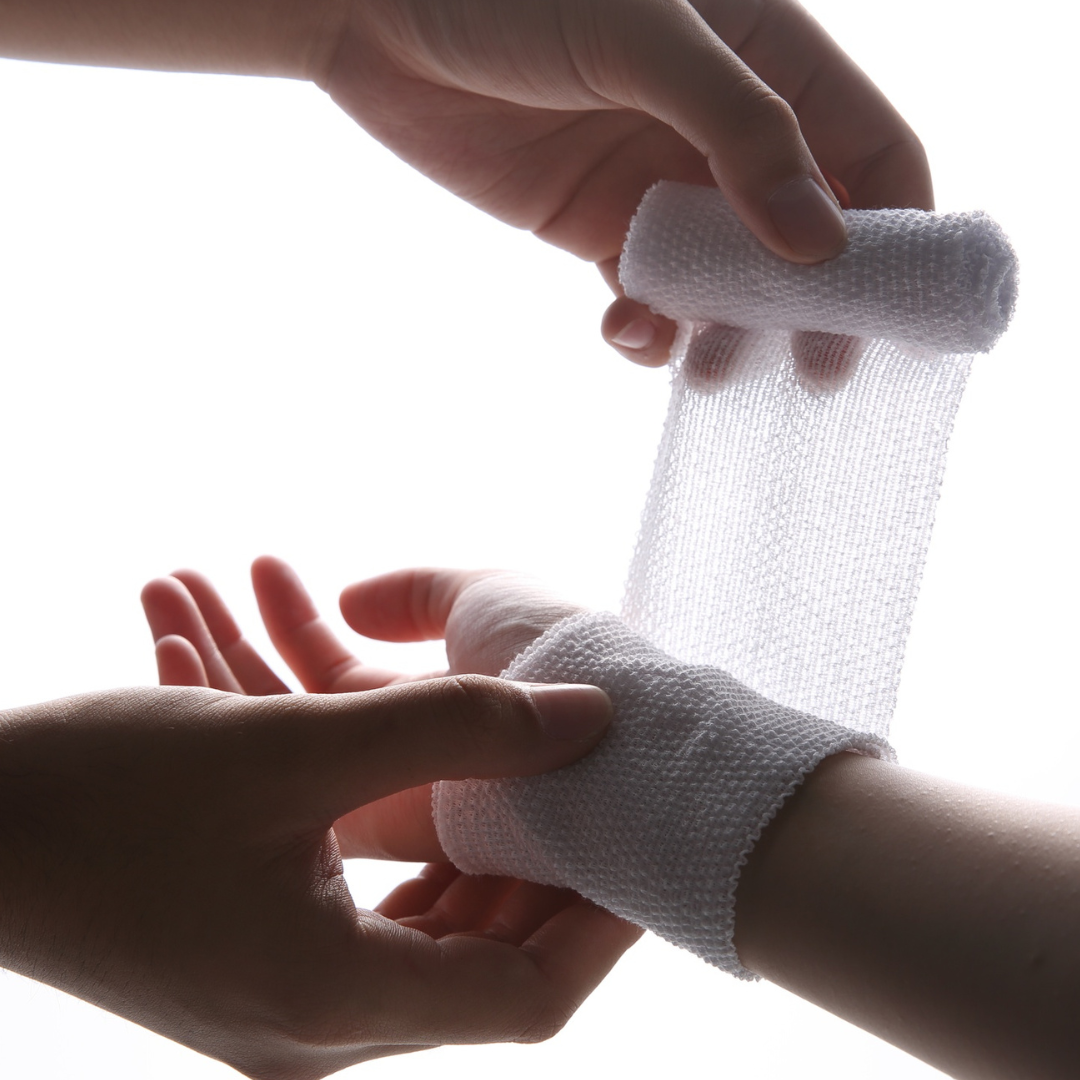
Environmental injuries happen when outside factors harm the body. They include issues from weather, animals, or man-made sources like electricity. Treatment focuses on stopping more damage and helping the body heal. Quick action can make a big difference. Doctors say early care cuts risks of lasting problems. In this article, we explore types of these injuries. We look at symptoms and treatments. We also share tips to prevent them. By the end, you will feel ready to face these challenges.Frostbite (Freezing Injury) Causes, Symptoms, Treatment – Healthhype
Understanding Environmental Injuries
Environmental injuries differ from other harms like falls or cuts. They stem from the world around us. Heat, cold, water, animals, and electricity play roles. These injuries affect millions each year. Data from health groups shows rising cases due to climate changes. Warmer summers bring more heat issues. Colder winters raise frostbite risks. Urban areas see more electrical mishaps. Rural spots have higher animal bite rates.Frostbite (Freezing Injury) Causes, Symptoms, Treatment – Healthhype
The body reacts to these stresses in set ways. For example, in heat, it sweats to cool down. But if that fails, organs suffer. In cold, blood vessels narrow to save warmth. Yet too much leads to tissue freeze. Knowing this helps in treatment. Always check the scene first. Make sure it is safe before helping. Remove the person from danger. Then assess breathing and pulse. Start basic life support if needed. These steps form the base of environmental injury treatment.
Many factors raise injury risks. Age matters a lot. Kids and older adults struggle more with temperature changes. Health conditions like diabetes or heart disease worsen outcomes. Medications can affect body responses too. Outdoor workers face higher odds. Athletes in extreme sports do as well. Awareness is key. Spot early signs to start treatment fast.
Types of Environmental Injuries
Environmental injuries come in many forms. Each needs specific care. We break them down here. This helps you spot and treat them right.Cold Injury (Freezing and Non-Freezing Damage) – Healthhype
Heat-Related Injuries
Heat injuries range from mild to severe. They happen when the body overheats. Common in hot weather or during hard work. Heat cramps hit first. Muscles ache and spasm. Drink water with salts to ease them. Rest in shade.
Next comes heat exhaustion. You feel tired and dizzy. Sweat a lot. Skin feels cool and clammy. Move to a cool spot. Loosen clothes. Sip cool fluids. Lie down with feet up. This helps blood flow. If vomiting starts, seek help fast.
Heatstroke is the worst. Body temperature soars above 104 degrees. Skin turns hot and dry. Confusion sets in. Fainting may occur. This is an emergency. Call for help right away. Cool the person fast. Use ice packs on neck, armpits, and groin. Fan them while misting water. Offer sips of cool drink if awake. Do not give alcohol or caffeine. Quick cooling saves lives. Studies show fast action cuts death risks by half. For more on inflammation from heat, check our guide at https://healthhype.com/inflammation-causes-symptoms-process-treatment.html.
Prevent heat issues with smart steps. Drink plenty of water. Wear light clothes. Take breaks in shade. Avoid peak sun hours. These habits keep you safe in hot settings.
Cold-Related Injuries
Cold injuries strike in low temperatures. They damage skin and tissues. Frostnip is mild. Skin turns pale and numb. Warm it slowly with breath or pockets. Avoid rubbing.
Frostbite is deeper. Skin hardens and whitens. Blisters form later. Get indoors fast. Soak in warm water around 104 degrees for half an hour. Use pain meds if needed. Wrap loosely. Do not use direct heat like fires. This burns numb skin. Seek a doctor for bad cases. They check for infection or tissue loss.Cold Hands and Feet Causes of Icy Fingers and Toes – Healthhype
Hypothermia drops core body heat below 95 degrees. Shivering starts strong then stops. Speech slurs. Confusion grows. Remove wet clothes. Wrap in blankets. Give warm drinks. Hug for body heat if alone. Call emergency services. Warm slowly to avoid heart issues. Hospitals use warm fluids or machines for severe cases.
Cold injuries often hit toes, fingers, nose, and ears. Wet clothes speed them up. Wind makes it worse. Layer clothes for protection. Use hats and gloves. Eat well for energy. These tips lower risks in winter.
For detailed cold injury info, see https://healthhype.com/cold-injury-freezing-and-non-freezing-damage.html. It covers freezing and non-freezing damage.
Electrical Injuries
Electrical injuries come from shocks or lightning. They burn skin and harm insides. Low voltage hurts locally. High voltage damages deep. Lightning can stop the heart.
First, cut power source safely. Do not touch the person if current flows. Use wood or rubber to separate. Check breathing. Start CPR if no pulse. Cover burns with clean cloth. Raise shocked limbs. Watch for shock signs like pale skin or fast pulse.
Treatment depends on severity. Minor shocks need wound care. Use antibiotic cream. Bandage loosely. Pain meds help. Severe cases need hospital stay. Doctors monitor heart and kidneys. Surgery may clean deep burns. Fluids prevent muscle breakdown.
Lightning strikes need fast care. They cause unique patterns on skin. Treat like high voltage. Always seek medical help. Even if no visible harm, internal issues lurk.
Prevent by avoiding wires in water. Use grounded outlets. Stay indoors during storms. These steps cut risks. For electric shock first aid, read https://healthhype.com/electrical-shock-injury-first-aid-and-treatment.html.
Animal Bites and Stings
Animal bites bring infection risks. Dogs, cats, and wildlife cause most. Wash with soap and water right away. Apply pressure to stop bleeding. Use antibiotic ointment. Cover with bandage.
For deep bites, see a doctor. They clean well and give shots. Tetanus booster if due. Rabies vaccine for wild animals. Watch for redness or swelling. This shows infection. Fever or pus means get help fast.Sudden Onset Vomiting and Diarrhea Causes and Dangers – Healthhype
Stings from bees or wasps hurt and swell. Remove stinger by scraping. Wash area. Use ice for pain. Take antihistamine for itch. Watch for allergy signs like hard breathing. Use epinephrine if needed. Call emergency for severe reactions.
Snake bites need calm action. Keep still. Remove tight items. Wash gently. Do not cut or suck venom. Get to hospital fast. Antivenom saves lives in bad cases.
Prevent bites with care around animals. Use repellents. Wear shoes outdoors. Shake clothes before wearing. These habits keep you safe.
Burns from Environmental Sources
Burns come from sun, chemicals, or hot surfaces. First degree reddens skin. Cool with water. Use aloe lotion. Second degree blisters. Do not pop them. Cover loosely. Third degree chars deep. Seek emergency care.
For chemical burns, rinse with lots of water. Remove tainted clothes. Do not neutralize acid with base. This worsens harm. Electrical burns look small but go deep. Treat as serious.
Sunburn is common. Prevent with sunscreen. Treat with cool baths and moisturizer. Drink fluids. Severe cases blister and fever. See doctor then.
For burning sensations in feet from cold or heat, explore https://healthhype.com/burning-feet-causes-of-a-burning-foot-pain-sensation.html. It explains causes and care.Healing burns takes time. Keep clean to avoid scars. Eat protein-rich foods. Follow doctor advice.
General First Aid Principles for Environmental Injuries
First aid is vital in environmental injury treatment. Always stay calm. Assess dangers first. Protect yourself and the victim. Call for help if severe.Have a kit ready. Include bandages, ointments, pain relievers, and tweezers. Know CPR basics. Practice often.For all injuries, monitor vital signs. Check pulse and breathing. Note changes in alertness. These guide next steps.Hydration matters a lot. Dehydration worsens heat and cold issues. Offer water unless unconscious.Pain control helps. Use over-the-counter meds. Elevate hurt parts to cut swelling.Follow up care is key. Watch for infection signs. Return to doctor if worse.Sudden Onset Vomiting and Diarrhea Causes and Dangers – Healthhype
Advanced Treatment Options
Hospitals offer more for bad cases. IV fluids hydrate fast. Oxygen helps breathing. Surgery fixes deep damage.For heatstroke, cooling blankets work. Hypothermia uses warm IVs. Electrical injuries need heart checks.Rehab aids recovery. Physical therapy rebuilds strength. Counseling helps mental trauma.New treatments emerge. Stem cells heal burns. Better antivenoms save from bites. Research keeps improving.
Prevention Strategies for Environmental Injuries
Prevention beats treatment. Know weather forecasts. Dress right for conditions. Stay hydrated always.For outdoors, use buddy system. Tell someone your plans. Carry phone and supplies.Home safety cuts risks. Check wires for frays. Use child locks on chemicals. Install smoke detectors.Workplaces need training. Use gear like gloves and helmets. Follow safety rules.Education spreads awareness. Teach kids about dangers. Join community programs.Healthy lifestyle helps. Exercise builds tolerance. Eat balanced meals. Avoid alcohol in extremes.
When to Seek Professional Medical Help
Not all injuries need doctors. But some do. Seek help for confusion or fainting. Bad pain or swelling too.If breathing hard or chest hurts, go now. Deep wounds or burns larger than palm size.Animal bites with fever. Electrical shocks always. Better safe than sorry.Emergency rooms handle these well. They have tools and experts. Do not delay.Body Temperature – Normal and Abnormal (High or Low) Levels – Healthhype
Living with Recovery from Environmental Injuries
Recovery varies. Mild cases heal quick. Severe take months. Follow care plans.Rest as needed. Eat nourishing foods. Attend check-ups.Support groups help. Share stories. Learn coping tips.Scars may remain. Creams fade them. Surgery fixes some.Mental health matters. Trauma can linger. Talk to pros if anxious.Stay positive. Many recover fully. Resume activities slowly.
The Impact of Climate Change on Environmental Injuries
Climate shifts raise injury rates. Hotter days mean more heat cases. Storms bring floods and lightning.Colder snaps in some areas boost hypothermia. Wildlife changes increase bites.Adapt by planning. Use apps for alerts. Build resilient homes.Governments act too. They fund research. Promote green policies.You can help. Reduce carbon use. Support eco groups.
Case Studies in Environmental Injury Treatment
Real stories teach lessons. A hiker got heatstroke in desert. Friends cooled him fast. He recovered in hospital.A child frostbit toes in snow. Warm soak saved them. No loss.Worker shocked by wire. Quick CPR restarted heart. Now he trains others.These show action saves lives.Body Temperature – Normal and Abnormal (High or Low) Levels – Healthhype
Myths and Facts About Environmental Injuries
Myths mislead. Fact: Rubbing frostbite harms more. Warm gently.
Myth: Drink alcohol to warm up. Fact: It cools you faster.
Myth: Sweat means safe in heat. Fact: Some heatstroke stops sweat.
Know truths for better care.
Preparing Your Home and Family
Stock supplies. Teach first aid. Practice drills.For kids, explain dangers simply. Supervise play.Pets need care too. Protect from extremes.Travel smart. Pack for weather. Know local risks.
The Role of Technology in Treatment and Prevention
Apps track weather. Wearables monitor heart.Drones deliver aid in remote spots. AI predicts risks.Telemedicine connects to doctors fast.
Embrace tech for safety.
Nutrition and Hydration in Recovery
Eat fruits and veggies. They aid healing.Protein rebuilds tissues. Nuts and meats help.Water is key. Aim for eight glasses daily.Supplements if doctor says. Vitamins boost immunity.
Exercise and Rehabilitation
Start slow. Walk first.Therapy strengthens muscles.Improves flexibility.Listen to body. Stop if hurts.
Community Resources and Support
Local clinics offer free checks.Red Cross teaches classes.Online forums share tips.Use them for help.
Future Trends in Environmental Injury Care
Gene therapy may speed healing.Robots assist in rescues.Better fabrics protect skin.Stay updated for advances.Environmental injury treatment saves lives when done right. Act fast. Know signs. Prevent where possible. Share this knowledge. It could help someone. Stay safe out there.
External References:
- https://www.ncbi.nlm.nih.gov/books/NBK525223/
- https://pubmed.ncbi.nlm.nih.gov/9442757/
- https://www.mayoclinic.org/first-aid/first-aid-heatstroke/basics/art-20056655
- https://www.who.int/health-topics/injuries (WHO on injuries)
- https://www.cdc.gov/injury/index.html (CDC injury prevention)