
How to Pick a Moisturizer with SPF Protection
Learn how to pick a moisturizer with SPF protection for radiant skin while shielding against harmful UV rays.
Sun exposure can wreak havoc on your skin, leading to premature aging, dark spots, and even skin cancer. The problem is, many people skip sunscreen because it feels like an extra step in their busy routines. Enter the game-changer: a moisturizer with SPF protection. This all-in-one product hydrates your skin while shielding it from harmful UV rays, saving you time and effort. In this comprehensive guide, we’ll walk you through how to pick a moisturizer with SPF protection that suits your skin type, lifestyle, and health needs. By combining expert advice with practical tips, we’ll help you make an informed choice to keep your skin radiant and protected year-round.Benefits of Sunscreen for Skin Health – Healthhype
Why SPF Moisturizers Matter
Daily sun protection is non-negotiable for healthy skin. Ultraviolet (UV) rays, specifically UVA and UVB, penetrate your skin, causing damage that ranges from wrinkles to serious health risks like melanoma. The American Academy of Dermatology (AAD) emphasizes that using a broad-spectrum sunscreen with at least SPF 30 can significantly reduce these risks. A moisturizer with SPF combines hydration with sun protection, making it an efficient choice for those who want to streamline their skincare routine. Unlike standalone sunscreens, these products nourish your skin with ingredients like hyaluronic acid or ceramides while blocking harmful rays.
The convenience of SPF moisturizers is unmatched. Instead of layering multiple products, you get hydration and UV protection in one step. This is especially appealing if you’re always on the go or prefer a minimalist approach to skincare. However, not all SPF moisturizers are created equal. Choosing the right one requires understanding your skin’s unique needs, the level of sun protection offered, and how the product fits into your daily life. Let’s explore the key factors to consider when selecting the best SPF moisturizer for you.Benefits of Sunscreen for Skin Health – Healthhype
Understanding SPF and Broad-Spectrum Protection
SPF, or Sun Protection Factor, measures how well a product protects against UVB rays, which cause sunburn and contribute to skin cancer. For example, SPF 30 means it takes 30 times longer for your skin to burn than without protection. However, UVB rays are only half the story. UVA rays, which penetrate deeper, cause premature aging and also increase cancer risk. That’s why broad-spectrum protection, which shields against both UVA and UVB rays, is critical.
The AAD recommends choosing a moisturizer with at least SPF 30 for daily use. Higher SPF values, like 50, offer more protection but don’t provide exponentially better coverage, so SPF 30 is often sufficient for most people. Broad-spectrum formulas are essential because they ensure comprehensive defense against UV damage. When shopping, look for the “broad-spectrum” label on the packaging to confirm you’re getting full protection.
Another factor to consider is water resistance. If you’re active outdoors, sweating, or swimming, a water-resistant SPF moisturizer will stay effective longer. The FDA regulates water resistance claims, with products labeled as resistant for either 40 or 80 minutes. Reapplication every two hours, especially after water exposure, is crucial for sustained protection. For more on UV-related skin risks, check out this skin cancer prevention guide on Healthhype.com.Benefits of Sunscreen for Skin Health – Healthhype
Choosing Based on Skin Type
Your skin type plays a pivotal role in selecting the right SPF moisturizer. Whether you have oily, dry, combination, or sensitive skin, there’s a formula designed to meet your needs without causing irritation or breakouts.
Oily Skin: Lightweight and Mattifying
If your skin tends to shine by midday, opt for a lightweight, non-comedogenic SPF moisturizer that won’t clog pores. Look for gel-based or oil-free formulas that control excess shine. Ingredients like niacinamide can reduce redness and regulate oil production, while silica or perlite absorbs excess oil for a matte finish. Products like CeraVe Ultra-Light Moisturizing Lotion SPF 30 are popular for their non-greasy texture and skin barrier support. Avoid heavy creams that might feel greasy or lead to acne. For more tips on managing oily skin, visit Healthhype.com’s oily skin care guide.
Dry Skin: Rich and Hydrating
Dry skin craves moisture, so choose a richer SPF moisturizer with ingredients like hyaluronic acid, glycerin, or ceramides to lock in hydration. Kiehl’s Ultra Facial Cream SPF 30, for instance, provides a dewy finish and long-lasting moisture, ideal for colder months when skin feels parched. Avoid lightweight gels, as they may not provide enough hydration. If dryness leads to flaking or irritation, a thicker cream can soothe and protect. Learn more about hydrating dry skin at Healthhype.com’s dry skin solutions.
Combination Skin: Balanced Formulas
Combination skin, with oily and dry patches, requires a balanced formula. Look for products that hydrate without feeling heavy, like Neutrogena Hydro Boost Hyaluronic Acid Moisturizer SPF 50. These often contain hyaluronic acid for moisture and antioxidants to protect against environmental damage. A lightweight cream or lotion works best to avoid clogging pores in oily areas while hydrating dry zones. For tailored advice, check out Healthhype.com’s combination skin care tips.
Sensitive Skin: Gentle and Fragrance-Free
Sensitive skin demands extra care to avoid irritation. Choose fragrance-free, hypoallergenic SPF moisturizers with mineral-based filters like zinc oxide or titanium dioxide, which are less likely to irritate. La Roche-Posay Toleriane Double Repair Face Moisturizer SPF 30 is a great option, featuring ceramides and niacinamide to soothe and strengthen the skin barrier. Avoid chemical sunscreens with ingredients like oxybenzone, which can trigger reactions. For more on sensitive skin care, explore Healthhype.com’s sensitive skin guide.
Key Ingredients for Enhanced Benefits
Beyond SPF, the best moisturizers contain ingredients that boost skin health. These add value by addressing concerns like aging, redness, or uneven tone while providing sun protection.
Hyaluronic acid is a star ingredient for hydration. It draws moisture into the skin, keeping it plump and supple. Niacinamide, a form of vitamin B3, reduces inflammation, minimizes pores, and evens skin tone. Ceramides strengthen the skin’s natural barrier, preventing moisture loss and irritation. Antioxidants like vitamin C, vitamin E, or green tea extract fight free radicals caused by UV exposure, offering an extra layer of defense against aging.What Is a Good Sunscreen – Sunscreens Products, Sunscreen Facts – Healthhype
Some SPF moisturizers include unique ingredients like ectoin, an extremolyte that protects skin in harsh conditions, or licorice extract to reduce hyperpigmentation. For example, Fenty Hydra Vizor Invisible Moisturizer SPF 30 combines niacinamide and Kalahari melon for hydration and a radiant glow. Always check the ingredient list to ensure the product aligns with your skin goals, whether it’s anti-aging or brightening. For a deeper dive into skincare ingredients, visit Healthhype.com’s skincare ingredient guide.
Application Tips for Maximum Protection
Even the best SPF moisturizer won’t work if applied incorrectly. Proper application ensures you get the full SPF protection promised on the label. The FDA recommends using about a half teaspoon (or two finger lengths) of product for your face, neck, and ears. Apply it 15 minutes before sun exposure to allow it to absorb fully.
Reapplication is key, especially if you’re outdoors for long periods. Reapply every two hours, or after swimming, sweating, or towel-drying. For those wearing makeup, reapplying over cosmetics can be tricky. SPF powders or mists, like Supergoop! Glow Screen SPF 40, offer a convenient solution for touch-ups without disturbing your makeup. Learn more about proper sunscreen application at Healthhype.com’s sunscreen application tips.What Is a Good Sunscreen – Sunscreens Products, Sunscreen Facts – Healthhype
One common mistake is applying too little product. Studies show that most people use only a quarter of the recommended amount, reducing the SPF’s effectiveness. Another pitfall is missing sensitive areas like the eyelids, which are prone to skin cancer. A 2019 study from the National Institutes of Health found that SPF moisturizers are often applied less thoroughly than standalone sunscreens, leaving vulnerable areas unprotected. To avoid this, use a mirror to ensure even coverage and consider a separate eye cream with SPF for delicate areas.
Reef-Safe and Eco-Friendly Options
Environmental concerns are increasingly important when choosing skincare products. Some SPF ingredients, like oxybenzone and octinoxate, have been linked to coral reef damage. Reef-safe moisturizers, such as those with non-nano zinc oxide or titanium dioxide, are better for marine ecosystems. Brands like Hero Cosmetics Force Shield SPF 30 and Thrive Bodyshield SPF 50 prioritize eco-friendly formulas without sacrificing protection.
Choosing reef-safe products aligns with growing consumer demand for sustainable skincare. The Environmental Working Group (EWG) provides a guide to reef-safe sunscreens, highlighting products that meet strict health and environmental standards. Opting for these ensures you protect your skin and the planet. For more on eco-friendly skincare, check out Healthhype.com’s sustainable skincare guide.
Tinted vs. Non-Tinted SPF Moisturizers
Tinted SPF moisturizers are gaining popularity for their ability to even skin tone while protecting against UV and visible light. Visible light, especially from screens and the sun, can worsen hyperpigmentation, particularly in darker skin tones. Tinted formulas with iron oxide, like EltaMD UV Restore Tinted SPF 40, provide an extra layer of protection against this. They also reduce the white cast often associated with mineral sunscreens, making them ideal for diverse skin tones.
Non-tinted moisturizers, like CeraVe AM Facial Moisturizing Lotion SPF 30, offer a lightweight, invisible finish that works well under makeup. The choice depends on your preferences: tinted for a natural glow or non-tinted for a seamless base. Both should be broad-spectrum and SPF 30 or higher for optimal protection. For more on choosing tinted skincare, visit Healthhype.com’s tinted sunscreen guide.
Budget-Friendly vs. Premium Options
SPF moisturizers come in a wide price range, from drugstore staples to luxury brands. Budget-friendly options like Cetaphil Daily Facial Moisturizer SPF 30 deliver reliable protection and hydration without breaking the bank. These are great for everyday use and often include skin-friendly ingredients like hyaluronic acid or niacinamide.
Premium products, like Kate Somerville HydraKate Illuminating SPF 50+ Drops, offer added benefits like a radiant finish or anti-aging ingredients. While pricier, they often feature advanced formulations or eco-friendly packaging. Your choice depends on your budget and priorities—whether it’s affordability or extra skincare perks. For budget-conscious skincare tips, explore Healthhype.com’s affordable skincare guide.How to Choose a Moisturizer for Sensitive Skin – Healthhype
Avoiding Common Pitfalls
Choosing an SPF moisturizer isn’t just about picking a product off the shelf. Several common mistakes can undermine your skin’s protection. First, don’t rely solely on SPF in cosmetics like foundations or BB creams, as they often provide insufficient coverage for extended sun exposure. Instead, use them as a bonus layer alongside your SPF moisturizer.
Second, check expiration dates. Sunscreens lose efficacy over time, especially if stored in hot or humid conditions. The FDA requires sunscreens to remain effective for at least three years, but always verify the date on the packaging. Finally, don’t skimp on reapplication. Even the best SPF moisturizer needs refreshing every two hours outdoors to maintain its protective barrier.
Expert Recommendations and Testing
Dermatologists and skincare experts stress the importance of choosing products backed by testing and research. The Good Housekeeping Institute and Women’s Health have tested dozens of SPF moisturizers, evaluating factors like absorption, texture, and compatibility with makeup. Products like Neutrogena Hydro Boost SPF 50 consistently rank high for their lightweight feel and hydration.
Consumer feedback is equally valuable. Testers often praise products that blend seamlessly without pilling or leaving a greasy residue. For example, Supergoop! Triple Prep SPF 40 is lauded for its lightweight texture and prebiotic support for the skin barrier. Always read reviews to gauge real-world performance, and check Healthhype.com’s skincare product reviews for trusted insights.
Incorporating SPF Moisturizers into Your Routine
Adding an SPF moisturizer to your daily skincare routine is simple but requires consistency. Apply it as the last step in your morning routine, after cleansing and any serums. If you use a separate toner or essence, ensure it’s fully absorbed before applying your SPF moisturizer to avoid dilution. For nighttime, switch to a non-SPF moisturizer to focus on repair and hydration, as UV protection isn’t needed.
If you’re new to skincare, start with a basic routine: cleanser, moisturizer with SPF, and a gentle night cream. This keeps things simple while ensuring daily protection. For a step-by-step guide, visit Healthhype.com’s daily skincare routine.
The Role of Antioxidants in SPF Moisturizers
Antioxidants enhance the effectiveness of SPF moisturizers by neutralizing free radicals caused by UV exposure. Ingredients like vitamin C brighten the skin and reduce dark spots, while vitamin E soothes and protects. Green tea extract, found in products like Origins A Perfect World SPF 40, offers anti-inflammatory benefits, making it ideal for sensitive skin.
Combining antioxidants with SPF creates a powerful defense against environmental damage. Look for products that list these ingredients prominently to maximize benefits. For more on antioxidants, check out Healthhype.com’s antioxidants in skincare.
Seasonal Considerations for SPF Moisturizers
Your SPF moisturizer needs may vary by season. In winter, opt for richer formulas to combat dryness, like Kiehl’s Ultra Facial Cream SPF 30. In summer, lightweight gels or lotions, such as La Roche-Posay Anthelios SPF 50, prevent a heavy feel in humid weather. Year-round use is essential, as UV rays penetrate clouds and windows, causing damage even on overcast days.
Adjust your routine based on climate and activity level. For example, if you’re skiing or hiking, choose a water-resistant formula with higher SPF. Healthhype.com’s seasonal skincare tips provide more guidance on adapting your routine.Dry Skin Moisturizer Functions, Types and Directions of Use – Healthhype
Long-Term Benefits of Daily SPF Use
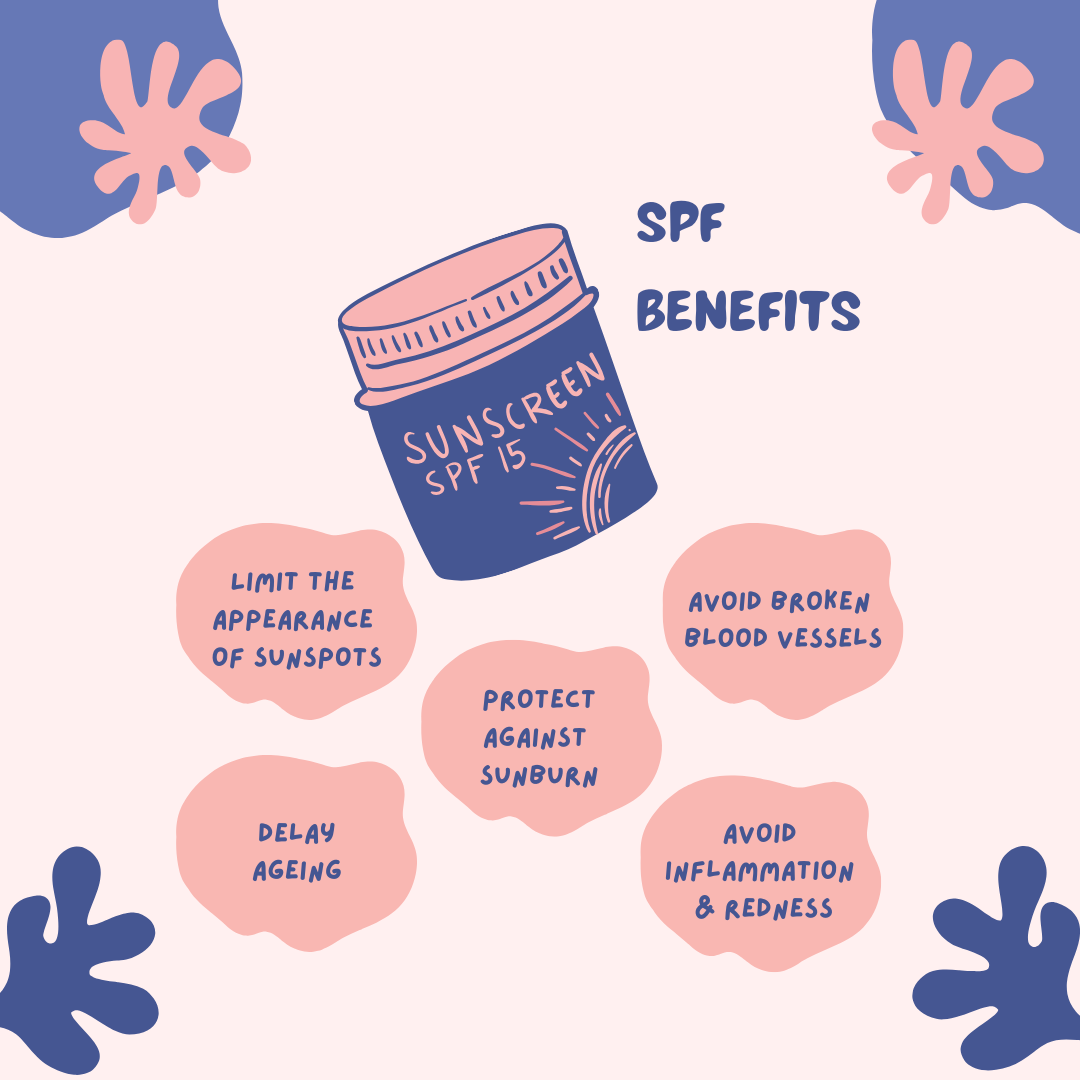
Consistent use of an SPF moisturizer offers long-term benefits beyond immediate sun protection. Daily application reduces the risk of skin cancer by up to 50%, according to the Skin Cancer Foundation. It also prevents premature aging, minimizing wrinkles, fine lines, and age spots. Over time, your skin will retain a more even tone and youthful texture.
Investing in a quality SPF moisturizer is an investment in your skin’s future. By protecting your skin now, you avoid costly treatments for sun damage later. For more on long-term skin health, visit Healthhype.com’s skin aging prevention.
Take Action for Healthier Skin
Choosing the right moisturizer with SPF protection doesn’t have to be overwhelming. Start by identifying your skin type, prioritizing broad-spectrum SPF 30 or higher, and selecting ingredients that address your specific concerns. Whether you’re after hydration, anti-aging benefits, or eco-friendly options, there’s a product out there for you. Make SPF a non-negotiable part of your daily routine to protect your skin from UV damage and maintain a healthy glow.
Ready to find your perfect SPF moisturizer? Explore top-rated products and expert tips at Healthhype.com. Visit our skincare product reviews to discover dermatologist-approved options and start protecting your skin today!Dry Skin Moisturizer Functions, Types and Directions of Use – Healthhype
External Reference Links:
- American Academy of Dermatology: Sunscreen FAQs
- FDA: Sunscreen and Sun Protection
- National Institutes of Health: SPF Moisturizer Application Study
- Environmental Working Group: Guide to Sunscreens
- Skin Cancer Foundation: Sunscreen Benefits