
Obesity in Adults: Key Causes and Solutions
Discover the causes, risks, and effective solutions for obesity in adults. Learn how to manage weight and improve health today
Obesity in Adults: Causes, Risks, and Solutions
Imagine stepping on the scale and seeing a number that shocks you. You feel tired all the time, and simple tasks leave you out of breath. This is the reality for millions facing obesity in adults. The problem hits hard, affecting daily life, work, and relationships. It raises risks for serious health issues like heart disease and diabetes. But there is hope. In this guide, we explore proven ways to tackle obesity in adults, from lifestyle changes to medical help. You can take control and build a healthier future.Preventing Obesity in Adults: Effective Strategies – Healthhype
What Is Obesity?
Obesity in adults means having too much body fat. It harms health over time. Doctors use body mass index, or BMI, to measure it. BMI comes from your weight and height. A BMI of 30 or higher shows obesity. For adults, this tool helps spot risks early.
Many factors play a role in adult obesity. Genes can make some people more likely to gain weight. But lifestyle choices matter most. Poor diet and lack of exercise add to the issue. In today’s world, fast food and desk jobs make it easy to pack on pounds.
Obesity affects more than looks. It strains the body inside and out. Joints hurt from extra weight. Sleep problems like apnea become common. Even mental health suffers, with higher rates of depression.
To understand better, think about how obesity builds up. It starts small, with extra calories here and there. Over years, it turns into a big problem. But knowing what obesity is helps you fight it.Preventing Obesity in Adults: Effective Strategies – Healthhype
Obesity Statistics
Recent data shows obesity in adults is rising fast. In the United States, about 42 percent of adults have obesity. This comes from the Centers for Disease Control and Prevention. Worldwide, the World Health Organization reports over one billion adults with obesity.
These numbers have grown in the last decade. Factors like processed foods and less activity fuel the trend. In 2025, experts predict even higher rates if changes do not happen.Reasons for Obesity Explained – Healthhype
Obesity hits some groups harder. Women often face it more than men in certain ages. Low-income areas see higher numbers due to food access issues. Urban life adds to the problem with fewer chances to move.
But stats also show hope. Countries with strong health programs see slower growth. Education on adult obesity helps people make better choices.
Causes of Obesity
Many things cause obesity in adults. Diet plays a big role. Eating too many calories from sugary drinks and junk food leads to weight gain. Portion sizes have grown over time, making it hard to eat less.Lack of exercise is another key cause. Many adults sit for hours at work. This burns few calories. Without regular movement, fat builds up.Hormones can tip the scale too. Issues like thyroid problems slow metabolism. Stress raises cortisol, which boosts appetite. Sleep loss messes with hunger signals, leading to overeating.Genes matter as well. If family members have obesity, your risk goes up. But genes do not seal your fate. Healthy habits can overcome them.Medications sometimes cause weight gain. Drugs for depression or blood pressure can add pounds. Talk to your doctor if this happens.Emotional eating is common in adults. Stress or boredom leads to food for comfort. This cycle makes obesity worse.
Lifestyle Factors
Daily habits shape adult obesity. Busy schedules mean quick meals high in fat. Home cooking takes time many lack.Screen time cuts into exercise. Adults spend hours on phones and TVs. This replaces walks or sports.Alcohol adds empty calories. Beer and wine pile on weight without nutrition.Aging slows metabolism. After 30, muscle loss makes burning calories harder. But strength training helps fight this.Work environments matter. Office jobs limit movement. Standing desks or walks during breaks can help.Social circles influence habits. If friends eat out often, you might too. Choose active outings instead.Reasons for Obesity Explained – Healthhype
Health Risks of Obesity
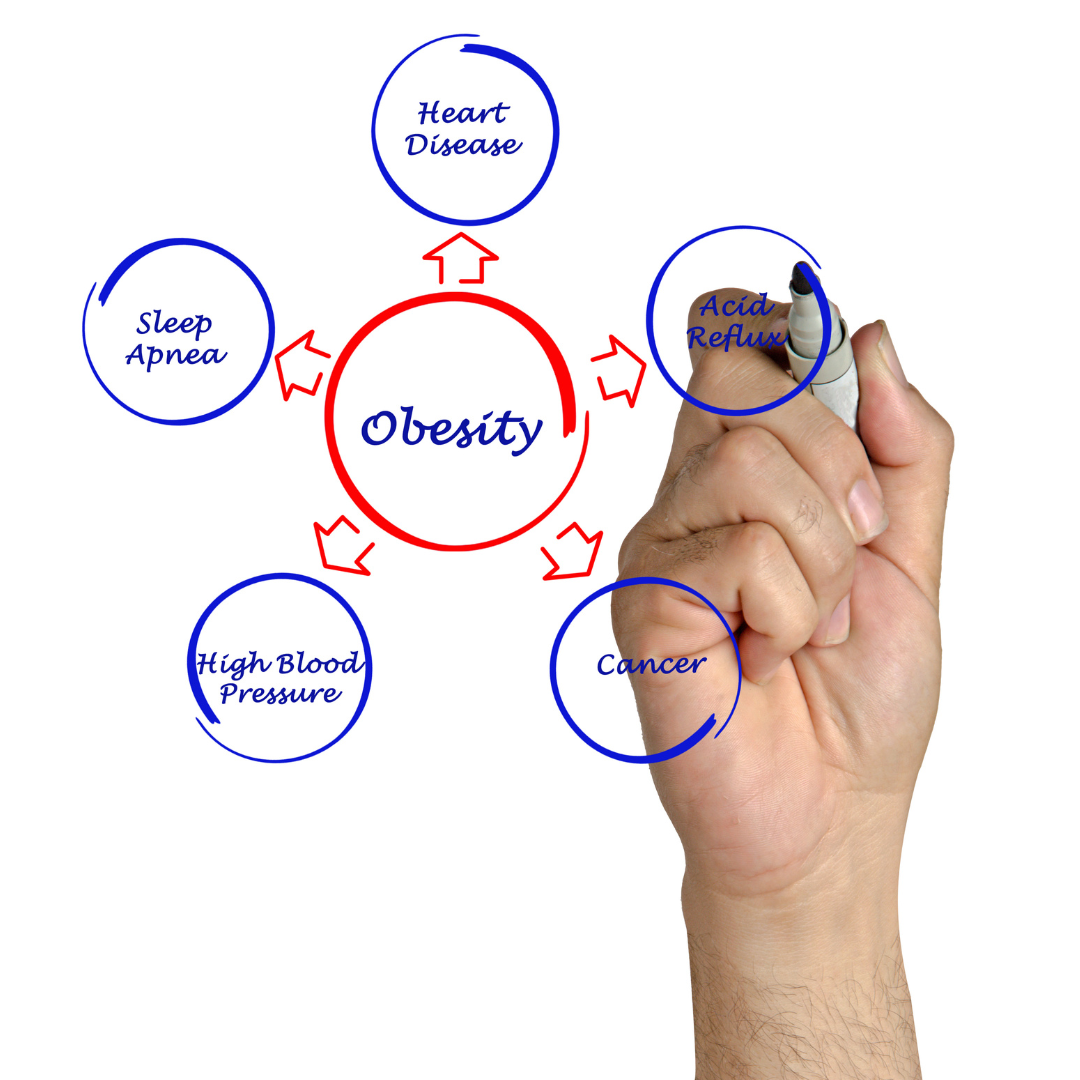
Obesity in adults significantly increases the risk of serious health complications that can diminish quality of life and shorten lifespan. Excess weight raises the likelihood of stroke, as it promotes blood clot formation, making vessels more prone to blockages. It also heightens the risk of cancers, including breast, colon, and prostate, due to chronic inflammation and hormonal imbalances triggered by fat tissue. Joint issues, such as osteoarthritis, become more severe, with knees and hips bearing extra strain, leading to chronic pain and mobility challenges. Breathing difficulties, particularly sleep apnea, are common, causing nighttime breathing pauses that result in daytime fatigue and increased hypertension risk. Obesity can lead to liver conditions like non-alcoholic fatty liver disease, which may progress to irreversible cirrhosis if not addressed. Mental health takes a toll, with low self-esteem, anxiety, and depression often worsened by social stigma. Fertility issues arise as hormonal disruptions impair reproduction in both men and women. Additionally, obesity weakens the immune system, slowing healing and increasing infection risks. For more on related health impacts, see our article on diabetes complications at https://healthhype.com/diabetes-mellitus-type-2-what-is-it.html.
Preventing Obesity
Preventing obesity in adults starts with intentional lifestyle choices that promote long-term health. Prioritizing balanced meals rich in vegetables, lean proteins, and whole grains helps control calorie intake while providing essential nutrients. Reducing consumption of sugary foods and high-fat items is critical to maintaining a healthy weight. Regular physical activity, aiming for at least 150 minutes per week of moderate exercise like walking, swimming, or cycling, boosts metabolism and burns calories. Monitoring weight regularly allows early detection of small gains, preventing them from escalating. Replacing sugary drinks with water not only cuts empty calories but also helps manage hunger. Adequate sleep, ideally 7-9 hours per night, regulates hunger hormones, reducing cravings. Stress management through practices like yoga or meditation prevents emotional eating, a common trigger for weight gain. Building a support network, such as joining fitness groups or sharing goals online, fosters motivation and accountability. Start your prevention journey with tips from our wellness guide at https://healthhype.com/category/wellness.Obesity and Cancer Risk, and Link with Body Weight – Healthhype
Diet Changes
Making strategic dietary changes is a cornerstone of combating adult obesity. Focusing on whole foods like fruits, vegetables, and whole grains provides fiber, which promotes satiety and reduces overeating. Portion control is key; using smaller plates can naturally limit food intake without feeling restrictive. Preparing meals in advance ensures access to nutritious options, reducing reliance on fast food. Reading nutrition labels helps identify hidden sugars that contribute to weight gain. Eating mindfully—chewing slowly and savoring meals—enhances awareness of hunger and fullness cues. Drinking water before meals can curb appetite, supporting portion control. For practical dietary advice, check our guide on balanced diets at https://healthhype.com/balanced-diet-what-is-it-and-how-to-achieve-it.html to help fight obesity effectively.
Exercise Routines
Regular physical activity is vital for managing adult obesity by burning calories and building muscle. Beginners can start with low-impact exercises like daily brisk walking to improve heart health. Incorporating strength training, such as lifting weights or bodyweight exercises, twice a week boosts metabolism. Group classes like aerobics add a fun, social element to staying active. Cycling to work integrates movement into daily routines effortlessly. Yoga not only enhances flexibility but also reduces stress, a key factor in weight control. Using fitness apps to track progress keeps motivation high by highlighting improvements. For more on staying active, explore our fitness tips at https://healthhype.com/category/wellness.
Understanding Overweight and Obesity: Causes, Risks, and Solutions – Healthhype
Treatment Options
Treating obesity in adults requires a multifaceted approach tailored to individual needs. Lifestyle changes, including improved diet and regular exercise, form the foundation of any plan. Medications like orlistat, which blocks fat absorption, can support weight loss for some. In severe cases, surgical options like gastric bypass reduce stomach capacity, leading to significant weight loss. Behavioral therapy helps address emotional eating by breaking unhealthy habits. Support groups provide encouragement, allowing individuals to share experiences and stay motivated. Regular check-ins with healthcare providers ensure plans remain effective and adaptable. Learn more about weight loss strategies at https://healthhype.com/weight-loss-pills-medication-and-supplements.html.
Medical Interventions
Medical interventions offer targeted solutions for obesity in adults when lifestyle changes alone are insufficient. Prescription medications, such as appetite-suppressing pills or injections like semaglutide, help regulate hunger and support weight loss. Bariatric surgeries, including gastric bypass or sleeve gastrectomy, alter digestion to promote substantial, lasting results. Endoscopic procedures, like placing devices in the stomach, provide less invasive options. Ongoing care from nutritionists and doctors ensures safe, effective outcomes. For detailed insights on medical weight loss options, visit https://healthhype.com/weight-loss-pills-medication-and-supplements.html.
Lifestyle Adjustments
Sustaining weight loss requires consistent lifestyle adjustments that fit into daily life. Setting achievable goals, like adding one vegetable to each meal, builds healthy habits over time. Engaging in enjoyable activities, such as dancing or hiking, keeps exercise sustainable. Limiting restaurant meals allows better control over ingredients and portions. Celebrating non-food rewards, like new clothing for milestones, reinforces progress. Involving family in cooking fosters a supportive environment. Journaling habits helps identify what works and what needs tweaking. Discover more lifestyle tips at https://healthhype.com/category/wellness.
Understanding Overweight and Obesity: Causes, Risks, and Solutions – Healthhype
Psychological Aspects
The psychological impact of obesity in adults is profound and requires attention. Cultivating positive self-talk builds confidence to pursue health goals. Identifying triggers for overeating, such as boredom or emotional stress, helps break harmful cycles. Cognitive behavioral therapy can reframe negative thought patterns, supporting long-term change. Practicing gratitude shifts focus to health improvements, boosting motivation. Joining online communities connects individuals with others facing similar challenges, reducing isolation. Celebrating small victories sustains momentum in the fight against obesity. For mental health strategies, explore https://healthhype.com/category/wellness.
Global Impact
Obesity in adults has far-reaching consequences, straining global healthcare systems and economies due to rising medical costs. Workplace productivity declines as obesity-related illnesses increase sick days. Families face caregiving burdens, impacting daily life. Public health policies, like taxes on sugary drinks, aim to curb consumption, while education campaigns promote prevention. Ongoing research explores innovative solutions, such as genetic therapies. Sharing this knowledge on social media can raise awareness and inspire action against adult obesity. Stay informed with our resources at https://healthhype.com/category/wellness.
Long-Term Management
Maintaining a healthy weight is a lifelong commitment requiring consistent effort. Regular medical check-ups catch potential issues early, ensuring timely adjustments. Adapting strategies to life changes, like aging or new job demands, keeps plans relevant. Staying informed about adult obesity through reputable sources empowers better decisions. Establishing lasting routines, such as daily walks or meal prep, makes health second nature. Sharing success stories motivates others and reinforces personal goals. For ongoing support, visit our wellness section at https://healthhype.com/category/wellness.
Understanding Overweight and Obesity: Causes, Risks, and Solutions – Healthhype
External References:
- https://www.cdc.gov/obesity/data/adult.html
- https://www.who.int/news-room/fact-sheets/detail/obesity-and-overweight
- https://www.niddk.nih.gov/health-information/weight-management/adult-overweight-obesity
- https://www.ncbi.nlm.nih.gov/pmc/articles/PMC10608183/