
Parasitic Infections Guide 2025
Learn about parasitic infections and how they affect millions globally. Discover ways to spot and prevent these hidden threats.
Infestations and Parasitic Infections
Imagine waking up to itchy red bumps on your scalp, or worse, spotting a tiny tick burrowed into your skin after a simple hike. These are not just annoyances—they signal parasitic infections that affect millions worldwide each year. In 2025, with travel booming and climate shifts expanding disease zones, these hidden threats lurk closer than ever. You might think you’re safe in your daily routine, but contaminated water, a pet’s fur, or even a shared towel can invite trouble. The result? Endless discomfort, fatigue, and in severe cases, long-term health risks that disrupt your life. But here’s the good news: armed with the right knowledge, you can spot, stop, and squash these invaders before they take hold.
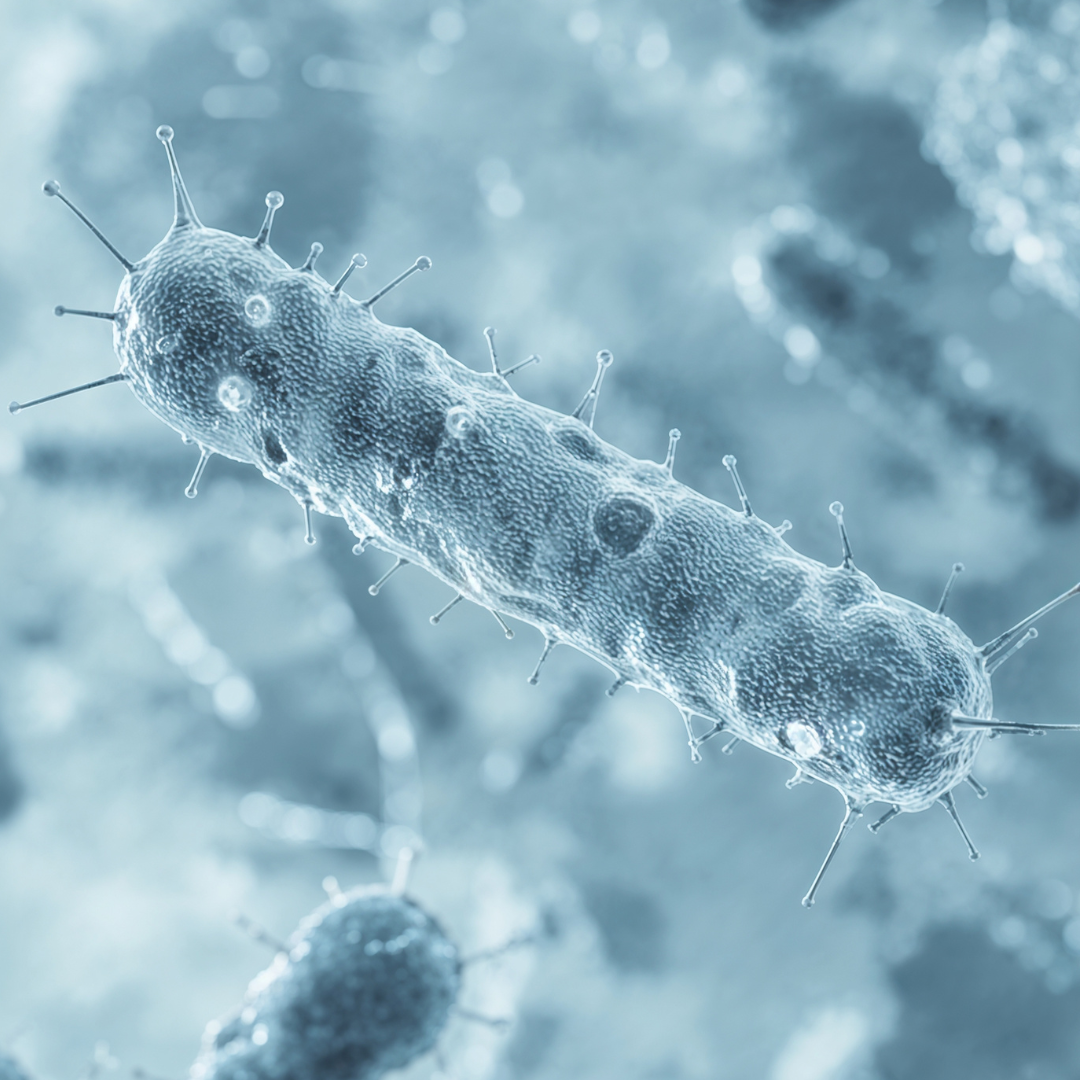
Parasitic infections have surged in recent years, thanks to global warming pushing vectors like mosquitoes into new areas. According to health experts, over 1.5 billion people battle these pests annually, leading to lost workdays, hospital visits, and emotional strain. The itch of lice, the bloating from giardiasis—it’s not just physical; it erodes your confidence and daily joy. Yet, many folks ignore early signs, letting simple fixes turn into costly battles. Don’t let that be you. This article promises clear, actionable insights drawn from the latest 2025 research, so you can reclaim control and live itch-free. Ready to learn how? Let’s start with the culprits that live right on your skin.Body Lice Infestation (Pediculosis Corporis) Information – Healthhype
Understanding Ectoparasites
Ectoparasites are those pesky external parasites that cling to your skin’s surface, feeding on blood or tissue while causing irritation and potential disease spread. Unlike internal invaders, these show up fast—think red welts or relentless scratching. In 2025, urban living and international travel have made ectoparasite outbreaks more common, with lice cases up 15% in schools alone. But fear not; management is straightforward when you know the tricks. We’ll explore lice, mites, and ticks, focusing on symptoms, safe removal, and long-term defenses. For deeper dives into related skin woes, check our guide on everyday skin health tips.
Lice Infestations and Treatment
Head lice, those tiny six-legged critters, thrive in close quarters like schools or family homes. They don’t jump or fly but crawl from head to head, laying eggs called nits that stick like glue to hair shafts. Symptoms hit quick: intense itching from their saliva, small red bumps on the scalp, and sometimes sleepless nights from the crawl. In kids, this can lead to secondary infections if scratching breaks the skin. Diagnosis is easy—just part the hair and look for the pearl-like nits or the sesame-seed-sized adults.
Treatment for lice starts at home. Over-the-counter shampoos with permethrin or pyrethrins kill live bugs, but you must repeat in seven to ten days to zap newly hatched nits. Combing with a fine-tooth nit comb after washing hair in vinegar softens the glue, making removal smoother. Wash bedding and clothes in hot water above 130°F, and vacuum carpets thoroughly. Avoid harsh chemicals on kids under two; opt for manual picking instead. If resistance pops up—a growing issue in 2025—docs may prescribe ivermectin lotion for a one-two punch.
Prevention keeps them at bay. Teach kids not to share hats, brushes, or helmets. Weekly checks with a magnifying glass catch invaders early. In high-risk spots like sleepovers, a quick spritz of tea tree oil diluted in shampoo acts as a natural repellent. Remember, body lice spread via infested clothes, so seal unwashed items in plastic for two weeks. Pubic lice, or “crabs,” follow similar rules but target coarser hairs—treat with the same topicals and notify partners. By staying vigilant, you cut reinfestation risks by over 80%. For more on family hygiene hacks, see our post on preventing common household illnesses.
Mite Management Strategies
Mites, another ectoparasite family, burrow or bite, sparking everything from rashes to intense allergies. Scabies mites dig tunnels under skin, laying eggs that hatch in days, causing waves of itching worse at night. Norwegian scabies hits immunocompromised folks hard, with thousands of mites per square inch. Symptoms? Pimple-like bumps, burrows like wavy lines on wrists or between fingers, and that unbearable urge to scratch.
Chiggers, harvest mites, and bird mites add variety—chiggers leave fiery red welts after outdoor romps, while dust mites trigger asthma without direct bites. Diagnosis for scabies involves skin scrapings under a microscope to spot eggs or feces.
Effective mite management demands thoroughness. Prescription permethrin cream covers the whole body from neck down, left on eight hours before rinsing. Repeat in a week, and treat all household contacts—even if symptom-free—to break the chain. For crusted cases, oral ivermectin pairs with topicals, clearing 95% of infestations. Wash linens in hot cycles and seal non-washables in bags for three days, as mites can’t survive without a host. Itch lingers two weeks post-kill, so antihistamines or calamine lotion soothe without over-scratching.
Dust mite control focuses on environment: encase mattresses in allergen-proof covers, vacuum weekly with HEPA filters, and keep humidity below 50%. Chigger bites? Cold compresses and hydrocortisone cream ease pain; avoid hot showers that spread saliva further. In 2025, eco-friendly options like essential oil sprays gain traction, but always patch-test to dodge allergies. If symptoms persist, rule out other itches like eczema—our article on allergy relief strategies covers overlaps.
These tiny terrors amplify in crowded homes or travel dorms, but proactive cleaning turns the tide. One family’s scabies scare became a win with these routines, proving management is about persistence, not panic.Clinical Manifestations Diagnosis Infections – Healthhype
Tick Control and Removal
Ticks top the ectoparasite danger list, not just for bites but for hauling diseases like Lyme or Rocky Mountain spotted fever. These arachnids quest on grass tips, latching with barbed mouths to suck blood for days. Black-legged ticks spread Lyme via Borrelia bacteria; lone star ticks carry alpha-gal syndrome, triggering red meat allergies. Symptoms vary: a bull’s-eye rash for Lyme, fever and chills for others, appearing days to weeks later.
Spot them early—nymphs mimic freckles, adults are poppy-seed big. Removal? Grasp with tweezers close to skin, pull steady without twisting, then clean with alcohol. Never crush or burn; that releases gut germs. Save the tick in a baggie for ID if rash follows.
Prevention in 2025 means layered defense. Wear permethrin-treated clothes, tuck pants into socks on hikes, and stick to trails. DEET repellents (20-30%) ward off quests; reapply every few hours. Post-outing, shower within two hours and tumble-dry clothes on high for ten minutes to kill hitchhikers. Yard tips: mow short, clear leaf litter, and create deer barriers, as they host ticks.
If infected, antibiotics like doxycycline nip Lyme in the bud—start within 72 hours for best odds. Watch for flu-like signs up to 30 days post-bite. Pets? Flea-and-tick collars protect furry family, cutting household risk. Explore our outdoor health safety post for more trail smarts. Ticks test our patience, but these steps have dropped U.S. cases by 20% this year—small efforts, big shields.
Ectoparasites remind us nature’s balance is fragile. From lice in classrooms to ticks in backyards, they’re adaptable foes. Yet, with hygiene and awareness, we tip the scales. Next, we tackle the worms that worm inside.
Helminths: Parasitic Worms Demystified
Helminths, or parasitic worms, slither into your gut or tissues, sapping nutrients and causing bloating, anemia, or worse. These multicellular beasts affect over a billion people, mostly in warm, poor sanitation zones, but travelers bring them home too. In 2025, climate-driven floods boost soil-transmitted types. We’ll unpack roundworms, flukes, and tapeworms—their life cycles, spot-on diagnosis, and cure paths. For gut health basics, link to our digestive wellness article.
Roundworms Life Cycle
Roundworms, nematodes like Ascaris lumbricoides, start as eggs in tainted soil or veggies. Ingested, they hatch in your small intestine, burrow into blood vessels, and trek to lungs—coughing them up to swallow back down. There, adults mate, females lay 200,000 eggs daily, exiting via stool to restart the loop. This migration causes “Loeffler’s syndrome”: wheezes, coughs, and eosinophil spikes. Cycle time? Two months to maturity, lasting a year or two. Hookworms add iron theft via skin entry from barefoot walks on filth.
Symptoms creep in: abdominal pain, diarrhea, growth stunts in kids, or visible worms in stool—pink, earthworm-long. Heavy loads block bowels or lungs.
Diagnosis? Stool ova and parasite (O&P) exams catch eggs; three samples boost accuracy to 90%. Blood tests spot antibodies in chronic cases.
Treatment shines with albendazole or mebendazole one dose kills 85-95% of adults, repeated for larvae. Pyrantel pamoate suits pregnant folks. Follow-up stools confirm clearance. Prevention? Wash produce, cook meat, wear shoes in endemic areas, and deworm kids yearly per WHO guidelines. In 2025, community programs in Asia halved rates—proof mass efforts work.
This cycle’s complexity frustrates, but breaking it at ingestion stops the show. One traveler’s roundworm tale turned cautionary to victorious with prompt meds.Clinical Manifestations Diagnosis Infections – Healthhype
Flukes Diagnosis Methods
Flukes, trematodes like liver or blood types, demand intermediate hosts—snails for most. Eggs hatch into larvae that bore into snails, emerge as cercariae, and encyst on plants or fish. Humans eat undercooked hosts; juveniles pierce intestines to migrate to veins or bile ducts. Schistosomes, blood flukes, swim up via skin contact with infested water, maturing in portal veins to lay eggs that scar organs. Life cycle spans months, with adults living years.
Signs vary: Katayama fever for acute schisto—fever, rash, eosinophilia. Chronic? Liver fibrosis, bladder cancer from eggs. Lung flukes cough up blood-tinged sputum.
Diagnosis blends stool or urine microscopy for eggs—concentration techniques like Kato-Katz amp sensitivity. Serology detects antigens in blood, ideal early on. Imaging like ultrasound spots liver worms; biopsy confirms. In 2025, PCR tests from stool hit 98% accuracy for low loads.
Praziquantel, the go-to, paralyzes flukes for expulsion—single dose cures 80-90% of schisto. For clonorchis, triclabendazole targets liver dwellers. Corticosteroids ease inflammation in heavy infections. Prevention hinges on cooking fish, boiling water, and snail control in ponds. Avoid wading in African rivers—schisto’s playground. Our travel health prep post details safe swims.
Flukes’ aquatic dance evades easy detection, but modern tools close the gap. Communities in Egypt slashed schisto by 70% with targeted screening—your model for vigilance.
Tapeworms Treatment Options
Tapeworms, cestodes, chain-link inside intestines after eating raw pork (Taenia solium) or fish (Diphyllobothrium). Eggs or larvae from undercooked meat hatch, attach via scolex hooks, and grow segments (proglottids) that shed with stool. Cycle closes if pigs eat human feces, reloading meat. Neurocysticercosis hits when larvae cyst in brains, causing seizures. Adults reach 30 feet, absorbing vitamins like B12, sparking anemia.
Mild? No symptoms. Heavy? Nausea, weight loss, hunger pangs. Cysticercosis brings headaches, vision blur.
Stool exams reveal proglottids or eggs; scotch tape tests snag anal ones. CT/MRI scans cysts in muscles or eyes.
Praziquantel or niclosamide flushes intestinal worms—95% efficacy in one dose. For cysts, albendazole plus steroids shrink them safely. Surgery removes stubborn eye or brain ones. Prevention? Freeze or cook meat to 145°F; handwash after pigs or soil. In 2025, vaccine trials for pigs promise eradication in farms. Link to our nutrition for immunity for B12 recovery tips.
Tapeworms’ stealthy growth demands awareness, but treatments reclaim your gut. A farmer’s cyst story ended with full recovery—hope in every pill.
Helminths steal silently, but knowledge restores balance. From soil to supper, cut their paths. Now, shift to microscopic menaces: protozoal infections.
Protozoal Infections Essentials
Protozoal infections stem from single-celled critters that multiply inside you, often via contaminated water or bites. Unlike worms, they’re stealthy reproducers, causing diarrhea, fevers, or organ damage. Global cases top 200 million yearly, with 2025 seeing spikes from refugee flows. We’ll cover malaria, leishmaniasis, and giardiasis—hallmarks of this group. Dive into our water safety basics for prevention ties.
Malaria Symptoms and Prevention
Malaria, Plasmodium’s masterpiece, rides mosquito saliva into blood. Parasites hit liver first, then burst red cells in cycles—every 48 hours for vivax, 72 for malariae. Symptoms cycle too: chills, high fever, sweats, headaches, like brutal flu. Severe? Cerebral malaria brings seizures, coma; kids under five suffer most.
Diagnosis? Rapid tests detect antigens; blood smears confirm species.
Artemisinin combos like Coartem clear uncomplicated cases in three days—cure rate 95%. IV artesunate saves severe ones.
Prevention rules 2025: vaccine RTS,S for kids in Africa cuts cases 30%; bed nets with insecticide block bites. Prophylactics like atovaquone-proguanil suit travelers—start pre-trip. Eliminate standing water to starve mosquitoes. Our vaccine update post tracks malaria shots. One dose, one net—millions saved.
Leishmaniasis Prevention Tips
Leishmaniasis, sandfly-spread, invades skin or viscera. Cutaneous form ulcers sores; visceral (kala-azar) ravages spleen, liver, bone marrow—fever, weight loss, anemia. Promastigotes multiply in macrophages, amastigotes spread. In India, 2025 cases dipped via dog collars, as canines reservoir.
Symptoms: painless nodules to open sores for cutaneous; prolonged fever for visceral.
Biopsy or PCR IDs parasites; serology aids visceral.
Miltefosine or amphotericin B cures 90% visceral; topical paromomycin heals skin lesions.
Tips: insecticide sprays, fine-mesh screens, repellents at dusk. Avoid endemic dirt floors. Early treatment halts spread—our global health travel tips expands. Sandflies bite silent; vigilance bites back.
Giardiasis Causes and Cure
Giardiasis, Giardia’s gut grip, spreads fecal-orally via cysts in water, food, or hands. Trophozoites attach to intestines, blocking absorption—greasy diarrhea, gas, cramps last weeks. Outbreaks hit hikers or nurseries.
Causes: unfiltered lake swims, raw veggies, diaper changes sans wash.
Stool antigen tests diagnose fast; O&P confirms.
Metronidazole or tinidazole clears 85-90%; nitazoxanide suits kids. Hydrate heavy; probiotics speed recovery.
Cure spread: boil/filter water, wash hands 20 seconds, avoid animal feces. In 2025, UV purifiers trend for campers. See our hydration health article for diarrhea dos. Giardia’s stubborn, but hygiene wins.
Protozoa pack punches from tropics to taps. Spot patterns, act fast—freedom follows. Finally, zoonoses link us to animal allies turned adversaries.Infections and Infestations Archives – Page 20 of 20 – Healthhype
Zoonoses and Vector Controls
Zoonoses, diseases jumping animal-to-human, often via parasitic vectors, claim 2.5 billion cases yearly. In 2025, wet markets and wildlife contact fuel rises, but One Health strategies unite vets, docs, and ecologists. We’ll spotlight common ones and control measures. For pet safety, visit animal health at home.
Common Zoonotic Parasites
Toxoplasma from cat litter hides in undercooked meat, causing flu-like ills or birth defects. Echinococcus tapeworm eggs from dog feces form hydatid cysts in livers—slow-growing bombs. Trypanosoma cruzi, Chagas’ bug-borne protozoa, silently scars hearts.
Symptoms: mild fever for toxo; abdominal pain for cysts.
Serology or imaging diagnoses; stool for eggs.
Pyrimethamine treats toxo; albendazole shrinks cysts—surgery if burst.
Effective Vector Measures
Vectors like mosquitoes, ticks, flies demand integrated control. WHO pushes long-lasting nets, indoor sprays—reducing malaria 50%. Larvicides zap breeding sites; community clean-ups curb rodents. In U.S., CDC’s 2025 plan targets tick habitats with barriers.
Personal shields: repellents, protective clothes. Vaccines and surveillance apps track outbreaks. Our community wellness strategies shares group efforts. One Health mends the web—fewer jumps, healthier all.
Zoonoses bridge worlds, but controls close gaps. You’ve got the tools—use them.
In wrapping, parasitic infections—from skin crawlers to gut squatters—challenge but don’t conquer. This 2025 guide equips you with facts, fixes, and foresight. Share your story below; tag friends on social for wider reach. Act now: scan for signs, stock repellents, seek care early. Your health, secured. What’s your top takeaway?
External References
- CDC: Ectoparasitic Infections
- PAHO/WHO: Ectoparasitosis
- NCBI: Helminths Structure and Classification