
Pimples vs Severe Acne Differences
Learn to identify the difference between regular pimples and severe acne to ensure effective treatment and better skin health.
Have you ever looked in the mirror and wondered if that red bump is just a simple pimple or something worse? Many people face this issue every day. It can cause stress and lower self-esteem. The problem is that mixing up regular pimples with severe acne can lead to wrong treatments. This might make things worse over time. But don’t worry. This guide will show you clear ways to tell them apart. You will learn about symptoms, causes, and steps to take for better skin.
Acne affects millions around the world. It is not just a teen problem. Adults deal with it too. Regular pimples often come and go fast. They are mild and easy to handle at home. Severe acne is different. It can last longer and cause pain. It may even leave scars. Knowing the difference helps you act early. This can prevent bigger issues. In this article, we dive deep into acne types. We cover everything from basics to treatments. By the end, you will feel confident about your skin.Acne Remedies-Effective Solutions for Clear Skin – Healthhype
Understanding Acne Basics
Acne starts when pores get clogged. Pores are tiny openings in your skin. They let oil and sweat out. Oil glands make sebum. This keeps skin moist. But too much sebum mixes with dead skin cells. This blocks pores. Bacteria can then grow inside. This leads to swelling and redness.
Not all acne is the same. Some is mild. It shows as small bumps. Others are severe. They form deep lumps. Factors like hormones play a role. Teens often get acne due to puberty changes. Adults might see it from stress or diet. Genetics matter too. If your parents had bad acne, you might too.
Pimples are a type of acne lesion. They are raised red spots with pus. But acne includes more. Like blackheads and whiteheads. These are non-inflammatory. They don’t hurt much. Inflammatory acne has red, sore spots. Severe forms have cysts or nodules. These are hard and deep.Acne Remedies-Effective Solutions for Clear Skin – Healthhype
To spot the difference, look at size and pain. Regular pimples are small. They heal in days. Severe acne has bigger spots. They last weeks. They can cluster in areas like the face or back. For more on skin issues like rashes that might mimic acne, check out this article on itchy back rash pictures and causes.
What Causes Acne to Form?
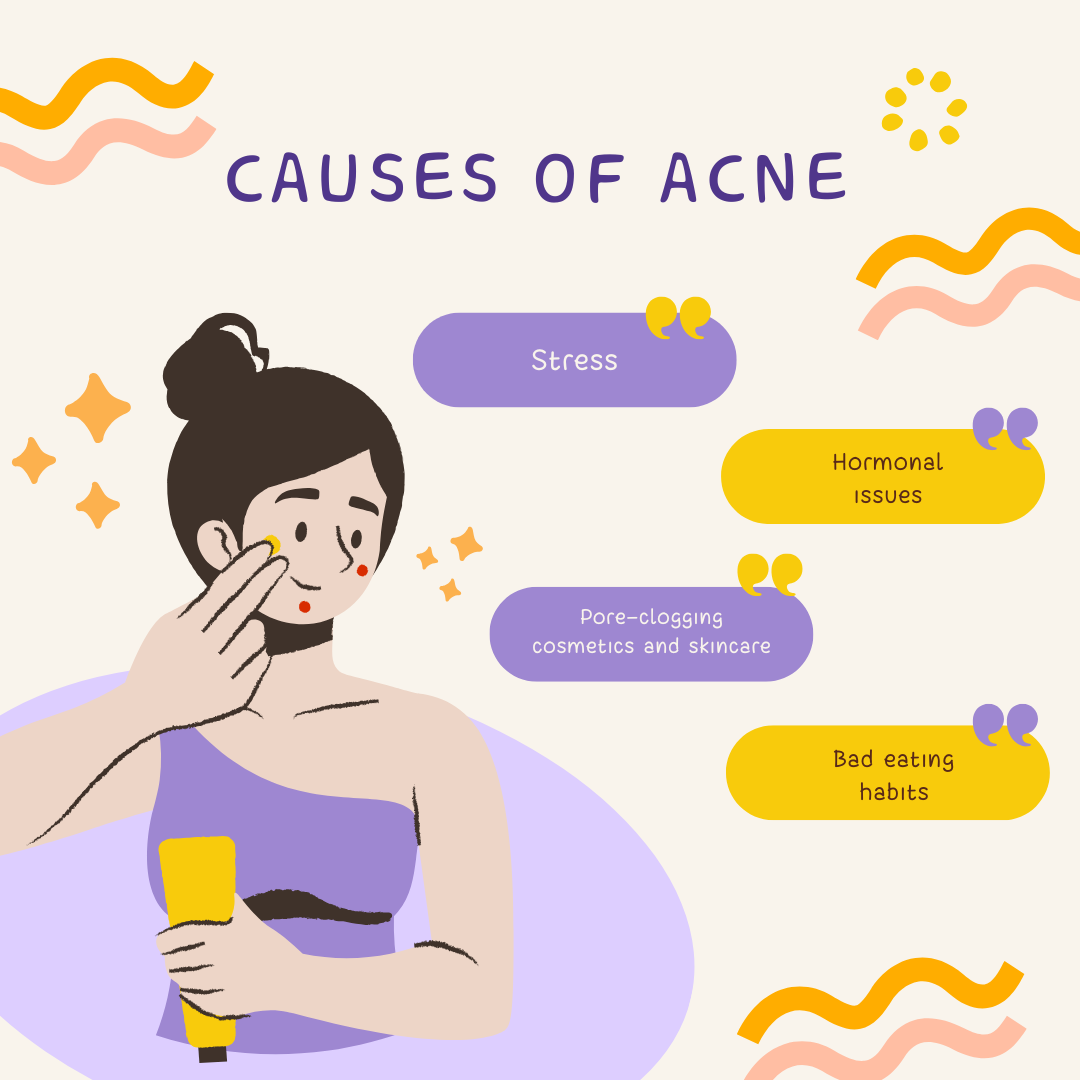
Hormones are a big trigger. Androgens rise during teen years. They make oil glands bigger. More oil means more clogs. Stress boosts hormones too. This worsens breakouts.
Diet can influence acne. High-sugar foods may spike insulin. This leads to more oil. Dairy might affect some people. But not all studies agree. Bacteria called Cutibacterium acnes lives on skin. It thrives in clogged pores. This causes inflammation.
Dead skin cells build up. If they don’t shed well, pores block. Makeup or oily products can add to this. Touching your face spreads bacteria. Dirty pillows do too.
In babies, acne can appear early. It’s called neonatal acne. It shows as small pimples on the face. Learn about causes of skin rashes in newborn babies for more details.
Common Myths About Acne
Acne is surrounded by myths that can confuse those trying to manage their skin. A common belief is that dirt causes acne, but this is not true. Acne forms when oil, dead skin cells, and bacteria clog pores—not because the skin is “dirty.” Overwashing can actually make acne worse by drying the skin and triggering excess oil production.
Another myth is that chocolate and greasy foods directly cause acne. While some people notice flare-ups from certain foods, scientific evidence shows only a weak connection. Instead, high-glycemic diets and certain dairy products may play a stronger role in worsening breakouts.
Popping pimples is another harmful misconception. Squeezing spots may give short-term relief, but it often spreads bacteria deeper into the skin, increases inflammation, and can leave permanent scars.
Acne is also not contagious. You cannot “catch” acne by touching someone else’s skin. Similarly, while sun exposure may temporarily dry out pimples or reduce redness, tanning does not cure acne. In fact, UV rays damage skin, accelerate aging, and make post-acne marks darker and harder to fade.Causes of Pimples: Identify Your Triggers – Healthhype
Types of Acne
Acne can range from mild to severe, with different forms requiring different levels of care. Understanding the type of acne helps determine the right treatment approach.
Mild Acne
Mild acne usually involves fewer than 20 lesions, most of which are non-inflammatory. This includes comedonal acne—blackheads and whiteheads.
-
Blackheads: Open pores filled with oil and dead skin that turn dark when exposed to air.
-
Whiteheads: Closed pores that appear as small, white or flesh-colored bumps.
Mild acne may also include small red bumps known as papules, which typically heal without scarring. Over-the-counter treatments often work well at this stage. For scalp issues that mimic acne, you can explore itchy scalp causes and treatment.Acne Remedies-Effective Solutions for Clear Skin – Healthhype
Moderate Acne
Moderate acne usually includes between 20 and 100 lesions. It often presents as a mix of comedones, red bumps, and pus-filled pimples (pustules). Breakouts may spread to the chest and back and often require prescription treatments like stronger retinoids or combination gels.
Severe Acne
Severe acne involves more than 100 lesions, often deep, painful, and persistent. It includes:
-
Nodular acne: Firm, painful lumps beneath the skin.
-
Cystic acne: Large, pus-filled lesions that can merge into clusters, leaving scars.
Severe acne can be complicated by infections such as staphylococcus, making professional care essential. To learn more, see staph skin infections.
Comparing Symptoms
Regular pimples are usually small (pea-sized or less), red, and mildly painful. They last for about a week and rarely leave scars.
Severe acne lesions, however, are much larger—sometimes half an inch or more. They form deep under the skin, are painful to the touch, and can last for weeks or months. These often lead to permanent scars or textured changes in the skin.
Visual Signs to Watch
-
Color: Mild acne tends to be pink, while severe acne is often dark red or purple.
-
Shape: Regular pimples are round, but cysts and nodules are irregular and swollen.
-
Location: Mild acne appears mostly on the face, while severe acne often spreads to the back, chest, and shoulders.
If you notice a rash on your neck that seems acne-like, you can explore itchy rash on the neck for other possible causes.What Causes Acne and Natural Treatments Guide – Healthhype
Pain and Discomfort Levels
Mild acne may itch or feel slightly tender, but severe acne often causes throbbing pain even without touch. Sleeping on the back can become difficult due to pressure on painful lesions. Severe cases may also cause swelling and, if infected, even fever.
Long-Term Effects
Mild acne often heals without a trace, but severe acne can leave long-lasting marks, such as pitted scars, raised scars, or dark spots (post-inflammatory hyperpigmentation). These changes can lead to emotional distress, including anxiety or lowered self-confidence.
Causes and Triggers
While both mild and severe acne share common triggers—like excess oil, clogged pores, and bacteria—severe acne often involves more complex factors:
-
Genetics: Family history plays a major role in acne severity.
-
Hormones: Conditions such as PCOS or hormonal surges during puberty, cycles, or pregnancy can worsen acne.
-
Medications: Drugs like steroids or lithium may trigger severe acne.
-
Diet: High-glycemic foods and dairy products are more strongly linked with severe breakouts.What Causes Acne and Natural Treatments Guide – Healthhype
Hormonal and Environmental Influences
Hormonal fluctuations, stress, and lack of sleep can worsen acne by increasing cortisol and oil production. Environmental factors—like pollution, humidity, and occupational exposure to grease—also contribute. Tight clothing or helmets may worsen breakouts by trapping sweat and friction.
Lifestyle Contributors
Smoking slows skin healing, while alcohol dehydrates and weakens skin defenses. A poor diet lacking vitamins, minerals, and omega-3s can also impair the skin’s ability to fight inflammation. Exercise is beneficial but should be followed by a gentle cleanse to remove sweat. For skin-friendly foods, see foods that heal pimples.Makeup Cause Acne Clogged Pores: The Truth Revealed – Healthhype
When to See a Doctor
Consult a dermatologist if acne spreads rapidly, becomes painful, leaves scars, or does not respond to home treatments. Red flags include sudden adult-onset acne (which may signal a hormonal imbalance) or acne that causes emotional distress. For babies, persistent acne-like rashes may be linked to other conditions—see causes of skin rashes in newborns.Causes of Pimples: Identify Your Triggers – Healthhype
Choosing the Right Specialist
-
Dermatologist: For skin-focused care.
-
Endocrinologist: If hormonal imbalance is suspected.
-
Primary physician: For initial assessment and referrals.
Keeping a photo log of breakouts and noting previous treatments can help doctors create a more effective plan.Makeup Cause Acne Clogged Pores: The Truth Revealed – Healthhype
Treatment Approaches
-
Mild acne: Often responds to over-the-counter options like benzoyl peroxide and salicylic acid.
-
Moderate acne: May require topical or oral antibiotics, stronger retinoids, or prescription gels.
-
Severe acne: May need isotretinoin (Accutane), oral antibiotics, hormone therapy, or advanced procedures like light therapy and chemical peels.
For acne-like conditions such as folliculitis, you can compare with folliculitis pictures.Causes of Pimples: Identify Your Triggers – Healthhype
Skincare Routines and Prevention
Consistency is the cornerstone of clear, healthy skin. Acne management is rarely about quick fixes—long-term improvement comes from adopting a daily routine that nurtures the skin barrier, prevents clogged pores, and protects against future breakouts.
Moisturizing the Right Way
Even people with oily or acne-prone skin need moisture. Skipping moisturizer may seem like a good idea, but it actually triggers the skin to produce more oil, making breakouts worse. The key is to use a lightweight, non-comedogenic formula that hydrates without clogging pores. Gel-based moisturizers with ingredients like hyaluronic acid or glycerin are particularly effective for oily or combination skin, while lotion or cream-based options work well for drier types.
Sun Protection Every Day
Daily sunscreen use is non-negotiable, especially for those with acne. Sun exposure not only worsens inflammation but also deepens post-inflammatory hyperpigmentation (the dark spots that linger after pimples heal). Over time, UV damage accelerates skin aging and can increase the risk of skin cancer. Choose a broad-spectrum SPF 30 or higher labeled oil-free and non-comedogenic. Mineral sunscreens with zinc oxide or titanium dioxide are often well tolerated by sensitive or acne-prone skin.Makeup Cause Acne Clogged Pores: The Truth Revealed – Healthhype
Break the Picking Habit
Picking, squeezing, or scratching at pimples is one of the fastest ways to cause long-term damage. While it may provide momentary relief, it spreads bacteria, pushes inflammation deeper, and increases the likelihood of scarring. Instead, apply a spot treatment containing benzoyl peroxide, salicylic acid, or sulfur and allow it to work naturally. Covering blemishes with hydrocolloid pimple patches can also reduce the temptation to pick while speeding up healing.
Cleansing and Makeup Removal
Keeping pores clear starts with proper cleansing. Wash your face twice daily using a mild, sulfate-free cleanser. Harsh scrubbing can strip the skin, disrupt its barrier, and worsen acne. After workouts, always wash away sweat, as it mixes with oil and bacteria that clog pores. Makeup should never be left on overnight; even products labeled “non-comedogenic” can trigger breakouts if not removed. Micellar water or oil-free makeup removers are gentle and effective for lifting residue before cleansing.
Supporting Skin Through Lifestyle
Skincare is not limited to topical products—the body’s internal balance plays just as much of a role. Daily habits such as hydrating adequately, sleeping 7–9 hours, and engaging in regular exercise improve circulation, regulate hormones, and allow the skin to repair overnight. Poor sleep, dehydration, and high stress all contribute to breakouts by disrupting hormonal balance and slowing the skin’s healing process.
Nutrition also matters. A diet rich in whole foods, leafy greens, lean proteins, and omega-3 fatty acids can help reduce inflammation, while limiting refined sugars and processed foods supports long-term skin health.Makeup Cause Acne Clogged Pores: The Truth Revealed – Healthhype
Extra Preventive Measures
Simple adjustments in daily habits can further reduce acne triggers. Changing pillowcases twice a week prevents the buildup of oil and bacteria. Regularly cleaning phone screens, sunglasses, and makeup brushes minimizes the transfer of pore-clogging debris. Loose-fitting clothing made of breathable fabrics helps reduce friction and sweat-related breakouts on the chest and back.
For acne-like conditions affecting the scalp, you can explore scalp problems pictures, causes, and treatment to identify whether scalp acne or another condition is contributing to symptoms.
Product Choices
Choose oil-free, non-comedogenic products, and patch-test before use. Rotate active ingredients like benzoyl peroxide and retinoids to avoid tolerance.Makeup Cause Acne Clogged Pores: The Truth Revealed – Healthhype
Final Thoughts
Acne may feel overwhelming, but understanding its causes, types, and treatments makes it manageable. Recognizing whether acne is mild or severe helps you choose the right path—whether that’s simple skincare adjustments or professional dermatology care. With patience and the right strategy, clearer skin is possible.
If you found this guide useful, consider sharing it with friends or on social media. Helping others identify their acne type can empower them to get the treatment they need.Makeup Cause Acne Clogged Pores: The Truth Revealed – Healthhype
External References:
- American Academy of Dermatology: https://www.aad.org/public/diseases/acne/really-acne/symptoms
- Cleveland Clinic: https://my.clevelandclinic.org/health/diseases/12233-acne
- National Institutes of Health: https://www.niams.nih.gov/health-topics/acne
- Johns Hopkins Medicine: https://www.hopkinsmedicine.org/health/conditions-and-diseases/acne
- World Health Organization: https://www.who.int/news-room/fact-sheets/detail/skin-conditions (general skin health)
Scalp Acne Causes, Symptoms and Treatment of Pimples on Head