
Winter Hair Dryness: Tips for Healthy Hair
Combat winter hair dryness with effective tips for hydration and scalp balance to keep your hair healthy and vibrant.
INTRODUCTION
Winter arrives quietly, but the effect on your hair rarely does. One morning you wake up and notice it: hair that suddenly feels rough, looks frizzy, tangles faster, and behaves like it’s losing moisture every hour. The scalp might feel tight in some areas yet greasy in others, and even your usual routine starts failing. If this sounds familiar, you’re not imagining it. Winter is one of the harshest seasons for your hair, even if your routine hasn’t changed at all.How Often to Wash Hair for Best Results – Healthhype
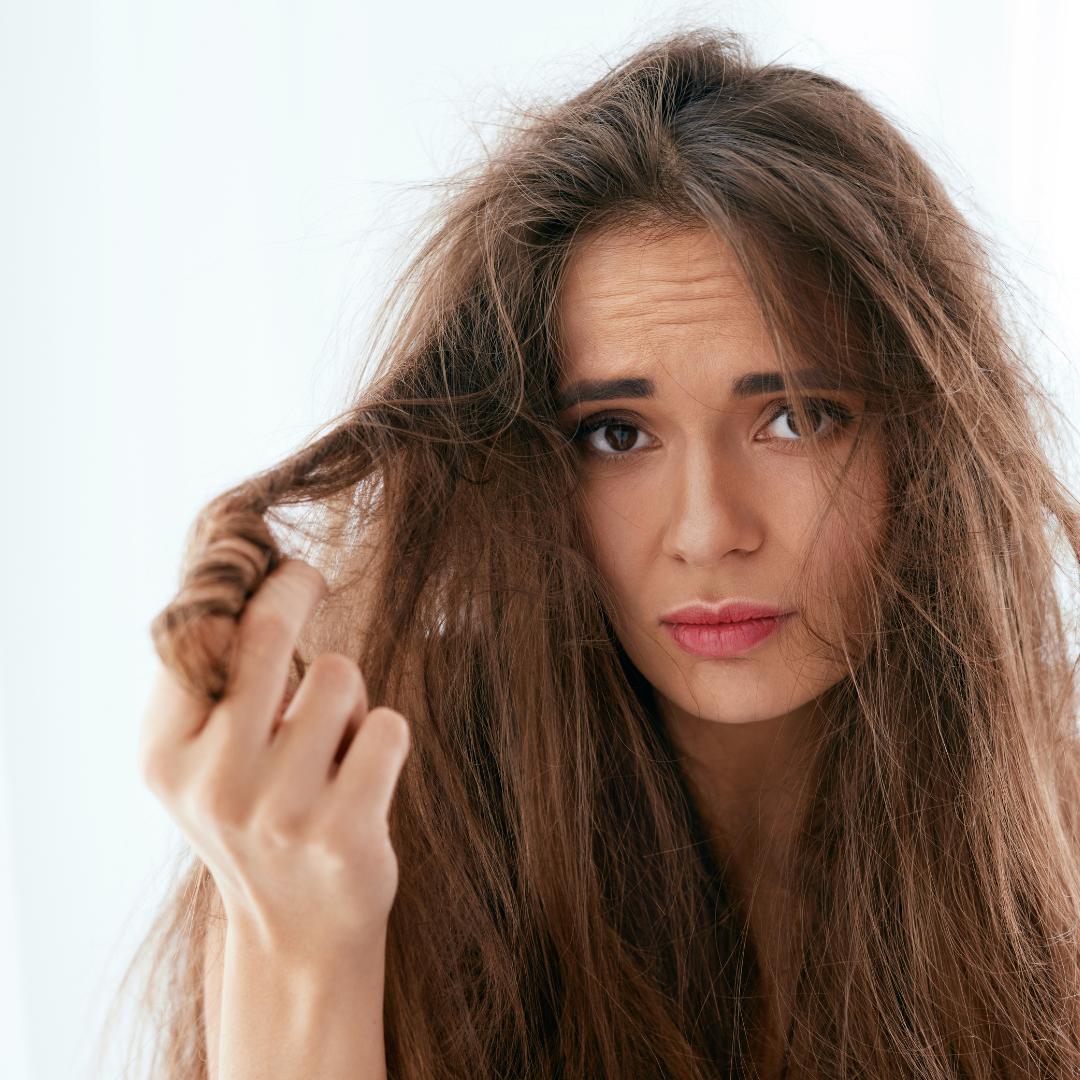
This article shows you why winter dryness affects hair so aggressively, why your scalp gets oily even when the strands stay painfully dry, and how you can protect your hair without creating buildup or extra grease. You’ll learn simple, science-rooted strategies that work, how winter affects your scalp microbiome, and how to manage moisture in a way that keeps the hair soft, strong, and hydrated without weighing it down.
By the time you finish reading, you’ll understand exactly what your hair needs during cold months and how to build the perfect winter routine that restores moisture while maintaining an oil-balanced scalp—no heaviness, no grease, and no breakage.
WHY WINTER AFFECTS HAIR
Winter may seem quiet and still, but biologically it’s a season full of stress signals for your hair and scalp. The biggest trigger is the sudden drop in humidity. Cold air can’t hold moisture the same way warm air does, so every time you step outdoors, moisture is pulled from your hair. Indoors, heating systems create even drier conditions, doubling the effect. Hair cuticles lift, which makes strands rougher and more vulnerable to friction, static, and breakage.
Another lesser-known factor is the slowdown in scalp circulation. Blood flow naturally reduces to preserve your core temperature, meaning fewer nutrients reach the follicles. This doesn’t always lead to immediate shedding, but it can contribute to hair that feels weaker, flatter, and more brittle. If you already read about seasonal shedding or changes in your hair cycle, you may find it useful to revisit the differences between normal shedding patterns and excessive shifts in growth cycles. This also complements the information discussed in
https://healthhype.com/why-hair-falling-out-much.html
What makes winter especially confusing is that while strands get extremely dry, the scalp often becomes oily at the same time. This is because sebaceous glands produce more oil when they sense dryness. Indoor heating dries the scalp surface, so the scalp compensates by overproducing sebum. The result is greasy roots, dry ends, and a frustrating imbalance that makes many people feel like nothing works.
UNDERSTANDING SCALP-OIL CONFUSION
One of the biggest misconceptions about winter hair dryness is that adding more oils will fix it. Oils can seal moisture, but they cannot hydrate the hair on their own, and too much can create a suffocating layer on the scalp. When the scalp feels dry, it sends signals to produce more sebum. But if you apply heavy oils, your scalp may interpret the occlusive layer as buildup and produce even more oil as a reaction.
The biology is simple: true hydration comes from water-based ingredients, not oils. Winter makes the scalp lose water faster, so hydration becomes unstable. Add in hot showers, indoor heating, and friction from hats, and you have a recipe for dryness-plus-oiliness, one of winter’s most common hair complaints.
Sometimes, scalp dehydration can even aggravate underlying inflammation. If you’ve ever experienced scalp tightness, flaking, or irritation during winter, it may align with the type of dryness that parallels what happens to skin during cold months. For deeper insight, related dryness and barrier issues are often discussed in
https://healthhype.com/?p=39239&preview=true
This mixture of dryness and oiliness is why many people feel confused about the right products. Lightweight hydration is essential for winter, but the scalp still needs breathing room. The right balance prevents oil spikes while keeping hair soft and moisturized.
COLD WEATHER AND HAIR STRUCTURE
To protect hair properly, you must understand how cold affects its inner layers. Hair strands are made of keratin, with a protective cuticle surrounding the cortex. When the cuticle lifts in dry air, the cortex loses moisture, making hair more prone to breakage. Winter also increases static electricity, which pushes strands apart and makes them frizzier.
Indoor heating intensifies dryness. Heated air forces moisture to evaporate, and repeated exposure weakens the cuticle over time. If you add hot water from showers, hair shafts swell and become vulnerable to cracks. This cycle is why winter dryness feels cumulative; it builds slowly and becomes noticeable around mid-season.Keep Skin From Drying Out in the Cold – Winter Skincare Guide – Healthhype
Another surprising factor is the lack of sunlight. Sunlight influences oil production, skin microbiome balance, and vitamin D levels. Although vitamin D is primarily discussed in terms of immunity, low vitamin D can also influence scalp health indirectly through inflammation pathways. This connection aligns with the broader understanding found in
https://healthhype.com/strengthen-immune-system-during-winter-months-vitamin-d-benefits.html
Vitamin D isn’t a direct hair moisturizer, but healthy levels support the scalp environment that hair follicles rely on. Winter, with its long dark hours, can shift this balance and add to dryness-related concerns.
MOISTURE LOSS AND SCALP REACTIONS
Moisture loss in winter isn’t limited to the strands. Your scalp loses moisture too, and once the skin barrier weakens, it struggles to regulate oil production. A tight, dehydrated scalp may paradoxically produce more oil because sebum glands overcompensate.
This cycle leads to:
A scalp that feels oily by evening even if you washed it in the morning.
Hair that looks greasy at the roots but still feels brittle.
Ends that tangle, snap, or look dull.
Flakes caused by dryness—not necessarily dandruff.
Many people assume flakes mean dandruff, but winter dehydration can produce dry flakes that mimic dandruff without infection. Adding heavy oils can worsen flakes because oils trap dead cells on the surface.
WINTER HAIR DAMAGE TRIGGERS
Several winter behaviors make the dryness-plus-oil problem worse.
Hot showers are the biggest culprit. They strip the scalp’s natural lipids, causing rapid dehydration and triggering oil overproduction.
Wearing hats constantly also contributes. Hats trap moisture and heat at the scalp but cause friction along the strands. This results in oilier roots, dry ends, and increased static.
Washing less frequently is common in winter, but if you stretch washes too far, you get sebum accumulation mixed with dead skin cells. This increases oiliness without addressing dryness in the strands.
Using the same products year-round can also be problematic. What works in summer may not be enough in winter, or it may be too heavy for the scalp.
Flat ironing or curling hair frequently causes cumulative heat damage. Combined with dry winter air, the cuticle becomes brittle much faster.Do You Need to Drink as Much Water in Winter? | HealthHype – Healthhype
BALANCING MOISTURE WITHOUT OILINESS
The key to winter hair protection is balance: hydrating the strands deeply while keeping the scalp supported but not suffocated. You need hydration for the hair shaft and lightweight nourishment for the scalp. Heavy oils can be counterproductive for people whose scalp gets greasy easily.
Start with water-based moisture. Hydrating conditioners and masks containing humectants help pull water into the hair shaft. Follow with light occlusive ingredients but avoid applying them directly to the scalp unless the skin is extremely dry.
Focus moisture on the mid-lengths and ends, not the roots. This prevents oil buildup and keeps the scalp breathing freely.
Avoid applying conditioner to the roots unless the product is specifically designed for scalp use. Most conditioners are formulated for the hair’s surface, not the scalp, and can cause buildup.
WINTER-FRIENDLY CLEANSING
A gentle, balancing approach to cleansing is essential. Look for low-sulfate formulas or hydrating cleansers that cleanse without stripping. Washing too often can dehydrate the scalp, while washing too little can worsen oil buildup.
The ideal winter washing routine varies by hair type, but most people benefit from cleansing every three to four days. If your scalp gets oily quickly, consider a mild balancing wash mid-week.
Avoid extremely hot showers. Warm water is enough to cleanse without damaging the scalp barrier.
Rinse thoroughly. In winter, product buildup accumulates faster, and leftover conditioner or shampoo can irritate the scalp.
HYDRATION LAYERS FOR HAIR
Winter hair care should include layering hydration, similar to winter skin care. Start with a hydrating base inside the shower, like a lightweight conditioner with water-attracting ingredients. Then seal with a light serum or cream designed for the ends.
Avoid oils on the scalp unless your scalp is extremely dry. Lightweight serums or leave-ins are usually enough to protect the hair shaft without weighing it down.
A weekly hydrating mask helps repair moisture loss and strengthen the hair structure. Choose formulas with proteins and natural moisturizers that nourish without grease.
Deep conditioning shouldn’t be done daily, as it can overwhelm fine hair. Weekly treatments offer the ideal balance for most people.Can Stress Cause Hair Fall – Healthhype
SCALP PROTECTION WITHOUT OILINESS
Keeping the scalp healthy in winter requires a gentle approach. Hydrate the scalp with lightweight serums rather than oils. Modern formulas include water-binding agents that hydrate without clogging pores.
Avoid applying oils directly to the scalp unless dealing with severe dryness. Oils can trap skin cells and cause buildup.
Exfoliating the scalp once every week to ten days removes dead skin cells and helps balance oil production. A cleaner scalp allows hydration to penetrate better.
Keep hats clean. Oils, sweat, and bacteria build up inside hats, and wearing them daily transfers this buildup to your scalp.
PROTECTING HAIR FROM STATIC AND BREAKAGE
Winter static increases friction, raising the risk of breakage. Hydrated hair is less likely to tangle. Using a small amount of leave-in can reduce static.
Avoid brushing dry hair aggressively. Static is worse when the hair lacks moisture. Use a wide-tooth comb or a flexible paddle brush.
Sleep on satin or silk pillowcases during winter. Cotton absorbs moisture from hair, making dryness worse.
Consider protective styles that reduce friction and moisture loss, especially on windy days.Strengthen Immune System During Winter Months – Healthhype
STRENGTHENING HAIR FROM WITHIN
Winter dryness affects more than the hair’s surface. Hydration and nutrition matter, too. Drinking enough water helps the scalp maintain balance. While some people think hydration matters only in summer, winter dehydration is also common due to indoor heating.
Nutrients like omega-3 fatty acids, vitamin D, zinc, and protein support the hair growth cycle. Vitamin D levels naturally drop in winter because of limited sunlight. Low vitamin D has been associated with inflammation that may affect hair follicles indirectly. You can explore these connections further in
https://healthhype.com/strengthen-immune-system-during-winter-months-vitamin-d-benefits.html
Eating hydrating foods like oranges, cucumbers, soups, and broths helps maintain internal hydration levels.
REPAIRING WINTER DAMAGE
If your hair already feels dry, brittle, or dull, repair requires a consistent routine. Start with hydration. Be patient; winter dryness doesn’t reverse overnight.
Trim split ends regularly to prevent breakage from traveling upward.
Avoid high heat. If you must use heat tools, lower the temperature and always use a heat protectant.
Reduce chemical treatments during winter. Processing hair when the cuticle is already weakened leads to more damage.
If your hair sheds more in winter or feels thinner, compare the pattern with seasonal shedding cycles and hair cycle changes. You can reference the insights found at
https://healthhype.com/why-hair-falling-out-much.html
AIDA CLOSING
Your hair is trying to adapt to winter, even if your routine hasn’t changed. Cold weather pulls moisture from every strand, indoor heat steals hydration from your scalp, and circulation slows enough to affect how strong the hair feels. This combination makes winter one of the toughest seasons for hair health, and it requires a different, more intentional approach.
The good news is that you can protect your hair fully while keeping your scalp balanced. Lightweight hydration, smart cleansing, and careful scalp care create a routine that works with your biology—not against it. Once you begin layering moisture in the right way and avoiding heavy oils on your scalp, your hair starts responding almost immediately. It becomes softer, less frizzy, and more manageable, while your scalp feels fresher and less greasy.
If your winter hair has been confusing or frustrating, you now have a clear blueprint. Small changes make a dramatic difference, and when you support your scalp while restoring your strands, you protect your hair from winter without creating oiliness. Your best winter hair routine starts now—and this time, your scalp and strands can finally stay balanced all season.
EXTERNAL REFERENCES
-
National Institute of Environmental Health Sciences (NIEHS): https://www.niehs.nih.gov/ NIEHS+2NIEHS+2
-
Office of Dietary Supplements (ODS) – part of National Institutes of Health: https://ods.od.nih.gov/ Office of Dietary Supplements+1
-
Centers for Disease Control and Prevention (CDC) – environmental/seasonal exposure data: link pending specific dataset (you may search within “CDC seasonal environmental exposure” on their site)
-
World Health Organization (WHO) – Nutritional requirements & guidelines: https://www.who.int/en/news-room/fact-sheets/detail/healthy-diet who.int