
Do Cavities Heal Naturally? Find Out Here
Explore the possibility of natural cavity healing. Understand when and how remineralization can occur in your teeth.
Many people hope cavities can heal naturally because the thought of dental drills, fillings, and unexpected dental bills is stressful. It’s completely understandable to want a simpler, natural solution, especially when early tooth pain or mild sensitivity shows up without warning. You’re not alone if you’re wondering whether your body can repair tooth decay the same way it heals minor cuts or bruises.Preventing Cavities: Essential Tips for Everyone – Healthhype
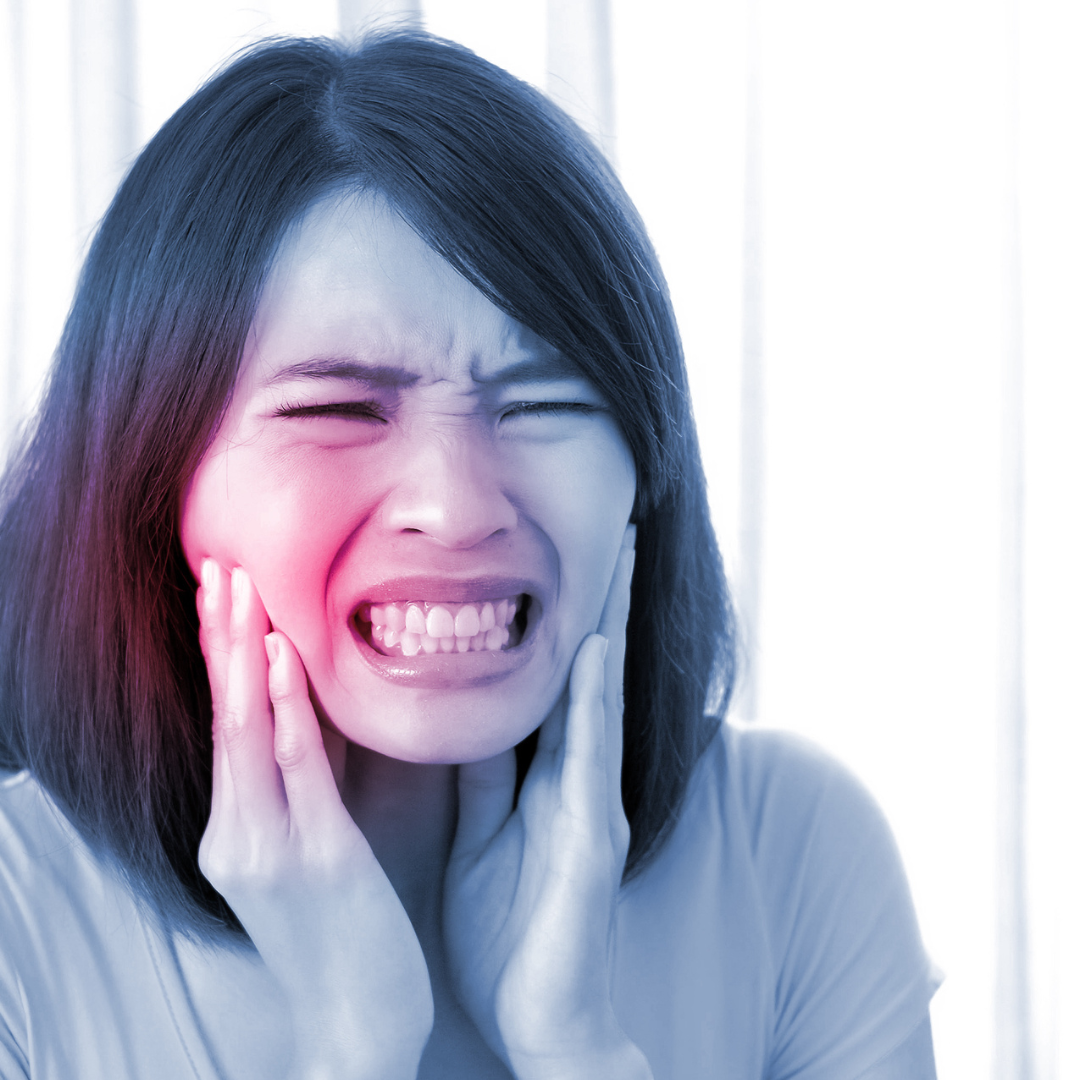
Here’s the truth: your teeth can repair themselves under the right conditions, but only during specific stages of decay—and only if you understand exactly how remineralization works. You deserve a clear, science-backed explanation that cuts through myths, explains what healing is actually possible, and helps you protect your teeth before deeper damage develops.
This article explains when cavities can heal naturally, when they can’t, how remineralization really works, what symptoms you must never ignore, and what science-backed steps support long-term oral health. You’ll also find helpful links to HealthHype content on symptoms, immunity, and pain-related issues that often connect to dental concerns. By the end, you’ll know exactly what is reversible, what requires treatment, and how to keep your teeth strong for life.
Tooth Decay Basics
Understanding tooth decay begins with enamel, the hard outer layer of the tooth. Even though enamel is the hardest substance in the human body, it has no living cells, which means it cannot regenerate once damaged. This is a major factor in why most cavities cannot heal naturally once the decay moves past the earliest stage.
Tooth decay develops when bacteria feed on sugars and release acids. These acids weaken enamel, causing mineral loss. At first, this process is microscopic and invisible to the naked eye. Over time, if the mineral loss continues, these weakened areas develop into visible lesions, and eventually, a full cavity forms. The deeper the decay goes, the less possible natural healing becomes.
Mineral loss is part of a daily cycle. Every time you eat, acids soften enamel. Between meals, your saliva restores balance, neutralizes acids, and redeposits minerals like calcium and phosphate. This natural cycle works in your favor—but only if the damage hasn’t progressed too far.
Early Decay Stage
Early enamel demineralization is the only stage where natural healing is possible. Dentists call this an “incipient lesion” or “white spot lesion.” At this point, the enamel surface is still intact even though minerals beneath it have begun breaking down.
In this stage, the tooth can regain lost minerals through remineralization. Saliva, fluoride, and calcium-phosphate-rich products help rebuild weakened enamel before the decay turns into a cavity. However, this healing isn’t fast, and it isn’t guaranteed without changes to diet, hygiene, and overall oral health.
Early decay is often painless. This is one reason people do not realize a problem is developing until the damage becomes more serious. Because you may not feel symptoms during the reversible stage, routine dental examinations remain the most reliable way to catch early decay before it becomes permanent.Does Fluoride Really Protect Teeth? – Healthhype
Enamel Remineralization
Remineralization is your body’s natural repair system for early enamel damage. When saliva delivers minerals to weakened enamel, these minerals bond to the surface and strengthen the tooth again. Fluoride enhances this process by creating fluorapatite, a mineral stronger and more resistant to acid compared to natural hydroxyapatite.
The body cannot remineralize holes, cavities, or decay that reaches dentin, the layer beneath enamel. Once decay passes through enamel, enamel cannot grow back. This is why remineralization only applies to the earliest form of damage.
Remineralization is influenced by several factors including saliva production, pH levels, fluoride exposure, and dietary habits. Healthy saliva flow plays a major role because saliva neutralizes acids and delivers minerals to the tooth surface. People with dry mouth or underlying health issues often have reduced ability to remineralize enamel naturally.
Reversible vs Irreversible Decay
Reversible decay involves only the outer enamel layer. The enamel surface must remain intact for remineralization to work. Once the decay breaks through the enamel and reaches dentin, the process becomes irreversible. At that point, the decay progresses faster because dentin is softer and contains tubules that connect directly to the tooth’s inner nerves.
Irreversible decay requires professional dental treatment. No natural method can rebuild lost enamel or fill a cavity, no matter what online myths claim. Natural strategies can help strengthen existing enamel and slow progression, but they cannot heal a cavity that already exists.
Understanding the difference between these two stages is crucial for making informed decisions about oral health and preventing long-term complications.
Signs of Decay Progression
Decay progression doesn’t always cause symptoms at first. As it advances, early warning signs may begin to appear, including mild sensitivity to cold, sweet foods, or acidic drinks. At this point, remineralization may still help, depending on the severity of the lesion.
When decay reaches the dentin, sensitivity becomes more noticeable. The tooth may ache during chewing or feel tender afterward. Hot foods may trigger discomfort. These symptoms indicate that the decay is no longer in the reversible stage and requires intervention.
Once decay reaches the pulp, where nerves and blood vessels are located, pain becomes sharp, persistent, and often severe. Infection may develop, causing swelling, fever, or even sinus pain. In advanced cases, tooth loss becomes a risk.
If you’re unsure whether sensitivity is related to decay or something else, reading about related causes on HealthHype, such as sinus-related discomfort and immune system effects during illnesses, can provide helpful context. For example, immune weakness and inflammation can make existing dental issues feel worse, as explained in the article on supporting immunity during winter months at https://healthhype.com/strengthen-immune-system-during-winter-months-vitamin-d-benefits.html.
Cavity Myths
One of the biggest myths online is that “natural remedies” can reverse fully formed cavities. People often claim that coconut oil, charcoal, or herbal mixtures can “heal” damaged enamel. None of these can rebuild lost enamel once a cavity has formed. Enamel does not have regenerative cells and cannot regrow.
Oil pulling can improve oral hygiene by reducing harmful bacteria, but it cannot repair a hole. Likewise, dietary changes can support enamel but will not reverse irreversible decay.
Another common misconception is that pain is necessary for a cavity to exist. In reality, most cavities develop silently until they grow into deeper layers. If you’re unsure about the cause of mouth pain, reading related concerns on HealthHype, such as tooth pain from illness or sinus problems, can help you differentiate dental issues. You can explore symptom-related content at https://healthhype.com/why-hair-falling-out-much.html for immune-related insights.Does Fluoride Really Protect Teeth? – Healthhype
Enamel Weakness
Enamel weakness develops over time due to repeated acid exposure and mineral loss. Highly acidic diets, frequent snacking, and dry mouth conditions accelerate enamel breakdown. Weak enamel is more vulnerable to both erosion and decay.
When enamel weakens, remineralization becomes even more important. Strengthening enamel through fluoride toothpaste, remineralizing agents, and proper diet helps protect against irreversible damage. However, once enamel is lost structurally, it cannot be restored naturally.
Some people have naturally thinner enamel or are genetically more prone to decay. Regardless of genetic tendencies, lifestyle and hygiene habits still play major roles in whether cavities develop.
Plaque & Acid Cycle
The plaque and acid cycle is the foundation of cavity development. Whenever you consume sugary or starchy foods, plaque bacteria metabolize those carbohydrates and release acids. These acids soften enamel for up to 20–30 minutes after eating.
If you frequently snack or sip sugary drinks throughout the day, the pH in your mouth stays acidic longer. This prevents the saliva from neutralizing acids and supporting remineralization.
Breaking the acid cycle is essential to preventing decay. This requires reducing sugary snacks, spacing meals appropriately, drinking water, and maintaining effective oral hygiene habits. Even small changes in these habits significantly impact your long-term dental health.
Fluoride Benefits
Fluoride strengthens enamel, increases resistance to acid, and enhances remineralization. It binds with minerals to form fluorapatite, which is less soluble and more durable than natural enamel.
Regular use of fluoride toothpaste is one of the most effective ways to protect against cavities. In-office fluoride applications deliver higher concentrations and support early decay reversal. Fluoride does not heal advanced cavities but plays a key role in preventing them.
Parents should supervise children’s fluoride use to ensure proper amounts and reduce risks of swallowing toothpaste. For adults, consistent fluoride exposure remains equally important throughout life.
Professional Treatment
Once a cavity forms, professional dental treatment becomes necessary. Treatment may involve fillings, crowns, or root canal therapy depending on the extent of decay. Early treatment prevents complications, reduces costs, and helps preserve natural teeth.
Modern fillings are durable and tooth-colored, making them both functional and aesthetically pleasing. Delaying treatment only allows decay to progress more deeply, increasing the likelihood of pain, infection, or tooth loss.
If symptoms like persistent sensitivity, swelling, or recurrent pain occur, prompt evaluation is essential. Sensitivity related to mouth or sinus issues can sometimes overlap, and articles on HealthHype discussing immune health and seasonal changes may offer additional insight.
Prevention Strategies
Preventing decay remains the most reliable way to avoid cavities altogether. This includes consistent brushing, flossing, fluoride use, regular dental checkups, balanced diet, and hydration. Mouth breathing, dry mouth, and low saliva flow also increase cavity risk. Managing these conditions supports natural remineralization and protects enamel.
Many people underestimate the impact of mineral-rich foods like leafy greens, dairy products, and nuts on enamel health. These foods help provide the calcium needed to maintain strong teeth.
Lifestyle habits also matter. Reducing sugary drinks, using a soft toothbrush, and rinsing after acidic meals can make a significant difference.6 Reasons And Remedies For Persistent Bad Breath – Healthhype
When to See a Dentist
You should seek a dental evaluation if you experience persistent sensitivity, toothache, visible holes, discoloration, or gum swelling. Early detection allows dentists to catch reversible lesions before they evolve into full cavities.
Tooth pain should never be ignored. Many people assume pain is sinus-related or caused by seasonal illness, especially during colds or flu. While this may sometimes be true, cavities and infections can also mimic these symptoms. Understanding these connections can help you make more informed decisions about dental care.
If you’ve ever wondered whether cavities heal naturally, now you know the truth: only early-stage enamel damage can reverse. By taking action now—improving oral habits, strengthening enamel, and scheduling timely dental visits—you can protect your teeth and avoid painful complications. Your oral health is worth prioritizing, and the steps you choose today will determine how healthy your smile remains in the future.6 Reasons And Remedies For Persistent Bad Breath – Healthhype
External References
NIH: National Institute of Dental and Craniofacial Research – https://www.nidcr.nih.gov
CDC Oral Health – https://www.cdc.gov/oralhealth
WHO Oral Health – https://www.who.int/news-room/fact-sheets/detail/oral-health
Dental Cavities, Tooth Decay Causes, Prevention and Treatment